
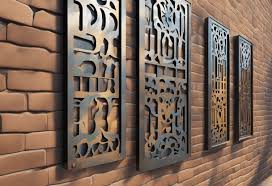
Standing out in a crowded market means finding ways to make your brand memorable at every touchpoint, and signage is one of those elements that people notice whether they realize it or not. Generic printed signs fade into the background, but dimensional metal work catches light, creates shadows, and gives your business a tangible presence. When you explore laser cut metal signs in Australia, you’re looking at a fabrication process that combines precision computer-aided design with industrial cutting equipment to create custom shapes, lettering, and patterns that simply aren’t possible with traditional methods. The Australian signage market has seen about 35% growth in laser-cut metal applications since 2020, largely driven by businesses wanting more distinctive branding elements.
How Laser Cutting Actually Works
A focused laser beam—usually CO2 or fiber laser—melts or vaporizes metal along a programmed path controlled by computer numerical control software. The precision is honestly kind of ridiculous; we’re talking about accuracy within 0.1mm. That level of detail means you can cut intricate patterns, small text, or complex logos that would be impossible or prohibitively expensive with traditional cutting methods.
The laser doesn’t just cut straight edges either. You can program curves, angles, internal cutouts, and even decorative patterns within the main design. I’ve seen business logos with tiny perforations that create a textured look, or signs where the negative space is as important as the metal itself.
Material Options and What They Mean for Durability
Mild steel is probably the most common choice because it’s affordable, easy to work with, and strong enough for most applications. It does rust over time if left untreated, but that’s not necessarily bad—some businesses specifically want that weathered, industrial look. If that’s not your aesthetic, powder coating or paint seals the steel and gives you virtually any color you want.
Stainless steel costs more but doesn’t rust, which matters for coastal locations where salt air accelerates corrosion. It’s got a more refined, modern look—that brushed stainless finish you see in high-end retail and corporate environments. Aluminum is the lightweight option, which makes installation easier and reduces structural support requirements. It won’t rust either, though it can oxidize into a dull patina unless it’s anodized or coated.
Corten steel is worth mentioning because it’s become trendy lately, especially in Australia. It develops a stable rust layer that actually protects the underlying metal from further corrosion. The orange-brown color gives an earthy, contemporary look that works well for hospitality, boutique retail, and creative businesses.
Design Considerations That Affect Cost and Impact
Complexity costs more to produce, but not as much as you might think. The laser doesn’t care whether it’s cutting a simple rectangle or an elaborate pattern—it’s the cutting time and material waste that affect pricing. A design with lots of small interior cutouts takes longer than a simple outline, but we’re usually talking about differences in minutes, not hours.
Scale matters more than you’d expect. Really large signs might need to be cut in sections and welded together, which adds labor costs. Really small details—like thin connecting pieces or tiny text under 20mm high—can be fragile and prone to warping during the cutting process. Most fabricators will tell you if your design has elements that won’t hold up structurally.
Finishing Options That Change the Whole Look
Raw metal straight off the laser has a certain industrial charm with those slight burn marks along the cut edges, but most businesses want some kind of finish. Powder coating is probably the most popular because it’s durable and comes in basically any color. The metal gets electrically charged, powder particles stick to it, then it’s baked in an oven to create a hard, protective layer.
Painting works too, though it’s generally less durable than powder coating. Some businesses want hand-brushed finishes for that artisan look, or patina treatments that age the metal artificially. I’ve seen copper and brass signs treated with chemicals to create verdigris effects that normally take years to develop naturally.
Backlighting is where things get really interesting. If your design includes cutouts or you mount the sign with standoffs away from the wall, you can put LED strips behind it. At night, the illuminated edges create this halo effect that’s way more sophisticated than standard lit signage.
Installation Methods for Different Applications
Wall-mounted signs usually use stud welding or threaded posts that go through pre-drilled holes in the metal. The posts extend behind the sign and screw into the wall, creating that floating effect where the sign appears to hover a few centimeters off the surface. This adds dimension and makes the shadow play more dramatic.
Freestanding signs need a base or posts. For outdoor ground installations, you’re usually looking at steel posts set in concrete footings. The depth depends on wind load calculations and local building codes—in areas with high winds, you might need to go 600-800mm deep. Indoor freestanding signs can use weighted bases that don’t require permanent installation.
Hanging signs work well for businesses with high ceilings or covered outdoor areas. Chain, cable, or rod suspension gives you flexibility in height adjustment, and the sign can rotate slightly in the breeze for outdoor installations, which actually attracts more attention.
Weather Resistance for Australian Conditions
Australia’s weather is brutal on signage—intense UV, temperature swings, coastal salt, and periodic severe weather events. Laser cut metal handles most of this better than printed or vinyl signs, but the finish is what really determines longevity. Powder coating typically lasts 10-15 years before it needs refreshing, maybe less in extreme coastal environments.
Untreated mild steel will rust within months, especially if you’re anywhere near the coast. If that’s the look you want, great, but understand it’s a progressive thing—the rust will continue spreading and could eventually compromise structural integrity if left unchecked for years. Stainless steel and aluminum basically don’t care about Australian weather. They’ll last decades with minimal maintenance.
Branding Impact vs. Traditional Signage
There’s something about three-dimensional metal work that communicates permanence and quality. Printed signs look temporary even when they’re not. Laser cut metal signals investment in your business presence. I’ve talked to business owners who say customers specifically mention their signage when complimenting the business—you don’t get that with standard signs.
The tactile element matters too. For customer-facing businesses where people might touch or interact with your signage, the physical presence of metal creates a sensory brand experience. It’s got weight and substance that connects with people on a different level than purely visual branding.
Working With Australian Fabricators
Lead times vary pretty significantly depending on the shop’s workload and your design complexity. Standard designs might be ready in 1-2 weeks. Custom work with special finishes could take 4-6 weeks or longer. The good fabricators will give you realistic timelines and actually hit them.
Getting quotes requires clear communication about what you want. Dimensions, material type, finish, quantity, and installation requirements all affect pricing. Most fabricators can work from vector files if you’ve already got your design, or they offer design services if you’re starting from scratch. Expect to pay for custom design work—that’s skilled labor, not just machine operation.
Cost Factors Worth Understanding
Material is the baseline cost. Mild steel is cheapest, then aluminum, then stainless steel, with specialty metals like copper or brass at the premium end. Thickness affects cost too—3mm is standard for most signs, but you can go thinner for indoor applications or thicker for large outdoor installations that need more rigidity.
Cutting time is largely determined by the total length of cuts in your design. A simple rectangular outline with your business name cut through it takes minutes. An elaborate pattern with hundreds of small details might take an hour or more. Fabricators typically charge per hour of machine time plus setup.
Finishing adds cost based on complexity and materials. Basic powder coating might add 30-40% to the base fabrication cost. Hand finishing, multiple colors, special patinas, or complex paint jobs can double or triple the finishing costs.
Maintenance and Longevity Expectations
Metal signs are pretty low maintenance compared to other options. Powder-coated or painted signs just need occasional cleaning with mild detergent and water. Avoid abrasive cleaners that’ll damage the finish. Once a year is probably enough for most locations unless you’re in a particularly dusty or industrial area.
Stainless steel can be wiped down with stainless steel cleaner to maintain its shine. Raw or rusted steel doesn’t really need maintenance unless you want to seal it at some point to stop the rust progression. LED backlighting will need bulb replacement eventually, but modern LEDs last 30,000-50,000 hours, so you’re looking at years before that becomes an issue.
