

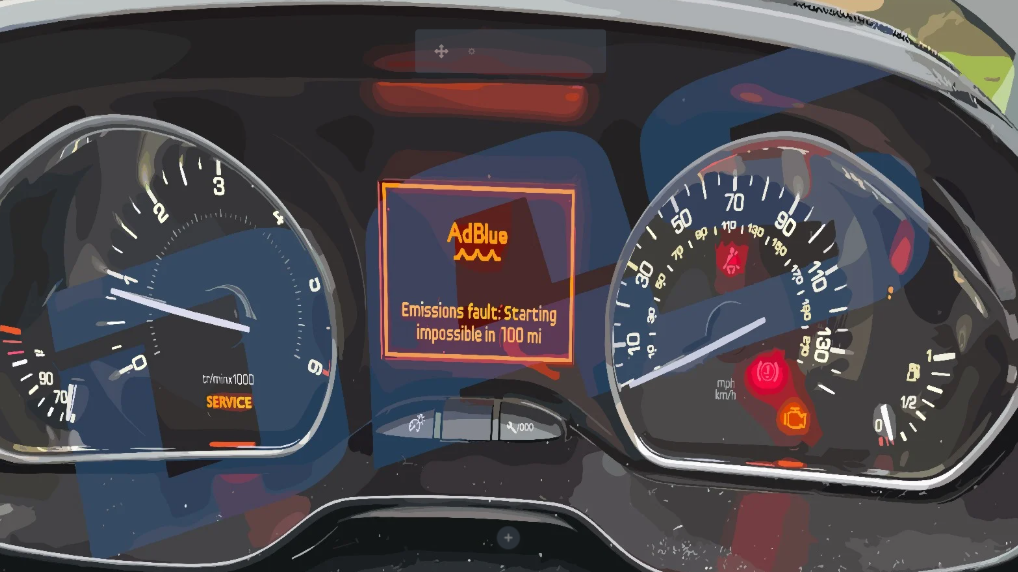
Learn why AdBlue removal is done, what risks it carries, legal implications, safer alternatives, and how to maintain diesel emissions systems properly.
Complete Guide to AdBlue Removal — Risks, Facts, and Solutions
For many diesel vehicle owners and fleet managers, the topic of AdBlue Removal is surrounded by confusion and questions. Some think removing or disabling the AdBlue system can fix warning lights, stop costly repairs, or improve engine performance. However, this is a dangerous approach with legal, environmental, and mechanical consequences. This guide will break down what AdBlue is, why people consider AdBlue removal, the risks involved, better alternatives, and how to properly manage diesel emissions to keep your vehicles reliable and compliant with emissions standards.
There are official rules and safety guidelines that govern diesel emissions systems. Removing AdBlue systems is not just a mechanical change — it may violate emissions laws, lead to failed inspections, and increase harmful pollutants. In this article, we’ll explain all of this in simple terms so you can make informed, safe decisions for your vehicle or fleet.
What Is AdBlue and Why It Matters
AdBlue is a fluid used in modern diesel engines that run Selective Catalytic Reduction (SCR) systems. It is not fuel, additive, or engine lubricant. Instead, it plays a key role in reducing harmful nitrogen oxides (NOx) from diesel exhaust. NOx gases contribute to smog and respiratory problems in humans, which is why modern emission standards require systems like SCR to actively reduce them.
When the AdBlue fluid is sprayed into the hot exhaust stream, a chemical reaction occurs. This reaction changes NOx into nitrogen and water — two harmless substances. This system makes diesel engines cleaner and compliant with strict emission regulations like Euro 6 and equivalent standards in other regions.
Without a functioning AdBlue system, your vehicle may emit more NOx, fail emissions tests, lose engine power, display warning lights, or stop running altogether. From a legal and environmental standpoint, keeping this system intact matters.
Why Some People Consider AdBlue Removal
Despite the importance of AdBlue, some vehicle owners consider removing it for several reasons:
- Warning Lights: They want to eliminate constant AdBlue system warnings.
- Repairs Cost: AdBlue system repairs can be expensive.
- Perceived Power Gains: Some believe disabling emissions parts frees up engine power.
- Temporary Fixes: Owners see it as a shortcut to avoid immediate repair.
While these reasons may seem practical at first glance, they do not address the core issue and can create far bigger problems. Removing or disabling emissions systems should not be treated as a quick fix. We will explain the full consequences later in this guide.
The Legal and Environmental Risks of AdBlue Removal
Removing or tampering with emissions systems, including AdBlue, is illegal in many countries. In the UK and EU, emissions systems are protected under environmental and roadworthiness laws. According to the Vehicle Certification Agency (VCA) guidelines, vehicles must meet certain emissions criteria to be legally roadworthy. Disabling emissions components like AdBlue can:
- Void your vehicle’s warranty
- Cause your vehicle to fail its MOT or emissions inspection
- Result in fines or legal penalties
- Prevent you from registering or selling the vehicle
Environmental protection agencies monitor emissions standards closely. Tampering with emissions systems increases NOx output and contributes to air pollution. Many regions enforce strict penalties for modifications that increase harmful emissions.
For official guidance on vehicle emissions and compliance, you can visit the UK Government’s vehicles, MOT tests and roadworthiness information page here: https://www.gov.uk/vehicle‑tax‑enforcement‑emissions.
How AdBlue Removal Can Damage Your Engine
Removing the AdBlue system is not like removing a spare tire or cosmetic part. The system is deeply integrated into your vehicle’s emissions and engine management systems. When you disable or remove it:
- Engine Control Unit (ECU) Errors: The ECU constantly monitors emissions components. Removing AdBlue triggers fault codes and can limit engine functionality.
- Reduced Power: Many diesel engines reduce power or enter “limp mode” when emissions systems fail.
- Component Stress: Without AdBlue, the SCR catalyst can be damaged by untreated NOx, shortening its lifespan.
- Increased Fuel Use: Engines may adjust fuel delivery to compensate for missing emissions functions, leading to higher fuel bills.
The AdBlue system is designed to protect your engine and reduce pollution. Tampering with it puts unnecessary strain on other systems and undermines vehicle longevity.
Safer Alternatives to AdBlue Removal
Instead of removing the AdBlue system, consider safer options if you’re struggling with issues:
1. Professional Diagnostics
Before thinking about removal, have a technician run a proper diagnostic. Most warning lights are triggered by specific sensors or calibration problems, which can often be fixed without disabling systems.
2. Quality AdBlue Refills
Sometimes low or contaminated AdBlue causes system faults. Use ISO 22241‑certified AdBlue fluid and clean, dedicated refill nozzles to prevent problems.
3. System Repairs
Replacing faulty pumps, sensors, or heaters is preferable to disabling the system entirely. A professional service can often fix issues and clear fault codes.
4. Regular Maintenance
Include AdBlue system checks in your routine service schedule. Keeping lines clean, checking heater function, and monitoring fluid levels prevents sudden failures.
These alternatives preserve compliance and keep the engine running smoothly.
What Happens When Your AdBlue System Fails
When the system detects a fault — low fluid, pump error, sensor malfunction — the vehicle responds. Common responses include:
- Warning lights on the dash
- Reduced engine power
- Messages such as “Service SCR System”
- Delay or refusal to start
- No start condition once fluid is empty
These reactions are not malfunctions — they are safety mechanisms. The vehicle is preventing damage, pollution, or non‑compliance.
How Emissions Systems Are Tested
Vehicles are tested for emissions compliance during inspections like the MOT in the UK. This test includes checks on exhaust output and functionality of emissions systems. A removed or disabled AdBlue system will usually fail these tests, preventing legal operation on public roads.
Cost Realities: Repair vs Removal
Many people consider removal to save money, but this is short‑sighted. The cost of repairs can often be less over time than:
- Lost resale value
- Fines for illegal modifications
- Increased fuel cost from system inefficiency
- Damaged catalytic converters or engine parts
Investing in legitimate repairs preserves vehicle value and avoids expensive legal issues.
The Future of Diesel Emissions Systems
Diesel technology continues to evolve. SCR and AdBlue systems are now standard in most newer diesel engines because they effectively reduce harmful NOx emissions. New emission standards worldwide are becoming stricter, not looser. Planning for proper maintenance rather than removal ensures your vehicle stays compliant as rules tighten.
Manufacturers also improve AdBlue system designs with better heaters, sensors, and diagnostics. Removing these systems throws away the benefits they provide.
Fleet Management and AdBlue
For businesses operating fleets, AdBlue management becomes even more critical. A fleet that has multiple vehicles with a disabled AdBlue system could:
- Fail fleet emissions audits
- Face higher costs for collective compliance failures
- Hurt workplace safety and environmental reputation
- Lose contracts that require certified emissions standards
Proper maintenance, tracking, and repair of AdBlue systems across a fleet protects your business and ensures predictable operating costs.
Step‑by‑Step: How AdBlue Works in Daily Use
- The driver fills the AdBlue tank during scheduled service.
- The SCR system monitors fluid levels and temperature.
- As the engine runs, AdBlue is metered into the exhaust.
- The SCR catalyst mixes AdBlue with NOx, reducing emissions.
- Sensors confirm proper operation and report back to the ECU.
This process happens continuously and automatically. The driver only needs to refill and maintain the system.
How to Refill AdBlue Properly
Refilling AdBlue correctly prevents many system issues:
- Use clean equipment and certified fluid
- Avoid contamination by covering filler caps
- Do not overfill the tank
- Follow manufacturer instructions
Accidental spills should be cleaned quickly, as dried AdBlue crystals can attract moisture and create buildup.
Common Misconceptions About Emissions Removal
Several myths circulate among vehicle owners:
- “Removing AdBlue improves fuel economy.”
❌ False — the system does not affect fuel delivery in that way. - “It makes my engine run better.”
❌ False — it often forces the ECU to enter safe modes. - “No one will know I disabled it.”
❌ False — diagnostic systems will detect missing components.
Clearing up these misconceptions helps vehicle owners make safer decisions.
The Role of Emissions Testing
Certified emissions testing measures exhaust output to ensure compliance. If the AdBlue system is missing or disabled, the vehicle will likely fail this testing. On-road inspections can also detect illegal emissions tampering. These tests protect public health and the environment.
Choosing Professional Help
When AdBlue issues occur, choose a reputable technician who:
- Has training in diesel emissions systems
- Uses proper diagnostic tools
- Offers transparent pricing and options
- Can test, repair, and clear system codes
Cutting corners here leads to repeated problems.
FAQs About AdBlue Removal and Emissions Systems
1. Is AdBlue removal legal?
No. Removing emissions systems is illegal in many countries because it increases pollution and fails emissions standards.
2. Will my insurance be affected?
Yes. Modifying emissions systems can void insurance if it contributes to an accident or non‑compliance.
3. Can I override warning lights without repair?
No. Clearing codes without addressing the root cause risks engine damage and legal issues.
4. What’s the difference between removal and deactivation?
Both disable the system. Neither is recommended or legal for road use.
5. Can I re‑install AdBlue after removal?
It may be possible, but it’s expensive and requires professional work.
6. Does AdBlue removal improve towing power?
No — it will typically decrease power by triggering engine safety modes.
7. How much does AdBlue system repair cost?
Costs vary, but repairs are cheaper than fines, respray treatments, or catalytic converter damage.
Summary: The Right Approach to Diesel Emissions
AdBlue systems are not optional extras — they are essential parts of modern diesel engines. Removing them doesn’t fix problems; it creates bigger ones. The right solution is proper diagnosis, repair, and maintenance.
For professional AdBlue and SCR system services, including proper diagnostic and repair solutions, Diesel Additive Solutions offers expert support tailored to your vehicle’s needs. Trust the professionals to keep your diesel engines clean, compliant, and running efficiently.
Book your AdBlue Removal consultation for expert advice and safe, compliant solutions.
#AdBlueRemoval #DieselMaintenance #EmissionSystems #DieselService #SCRRepair #VehicleCompliance #FleetCare #DieselPerformance #EngineHealth
