
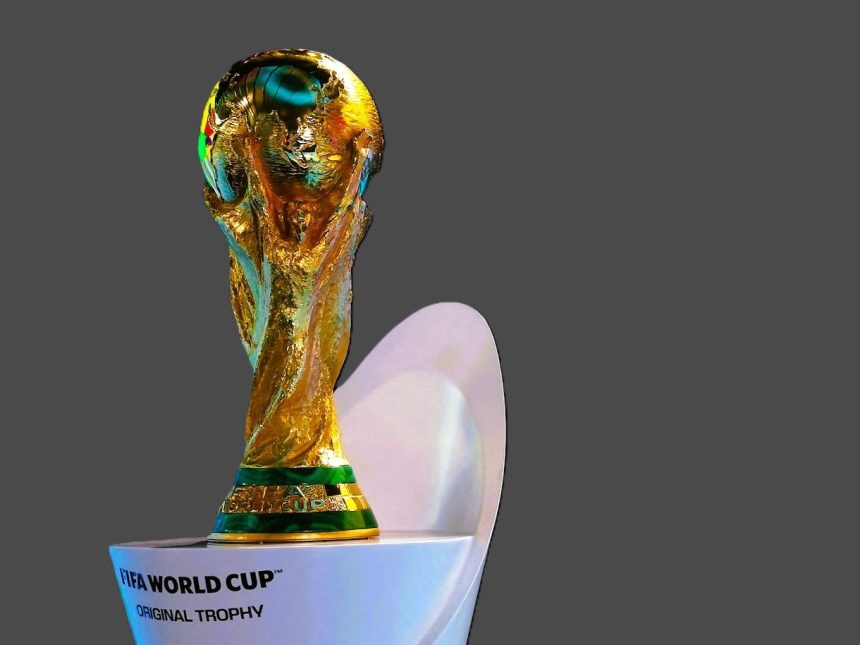
The 2026 FIFA World Cup is set to be unlike any tournament before it. With a bold expansion from 32 to 48 teams, a historic three-nation hosting arrangement across the United States, Canada, and Mexico, and a reimagined group stage format, this edition promises more drama, broader global representation, and heightened excitement for football fans worldwide.
For anyone following the beautiful game, whether a casual viewer or a dedicated analyst, understanding how the 2026世界盃小組賽懶人包 works is essential. This guide breaks down every key detail: from qualification rules and match schedules to tie-breakers and strategic implications. And thanks to expert insights from MoreDetailNews, fans can stay ahead of the curve with clear, reliable information about the 2026 World Cup format.
The Biggest Change: From 32 to 48 Teams
For decades, the World Cup featured 32 teams divided into eight groups of four. But in 2026, that changes dramatically under the new 2026 World Cup format. The tournament now includes 48 national teams, making it the largest in FIFA history.
This expansion means:
- 12 groups (instead of 8), each with 4 teams
- 104 total matches (up from 64 in 2022)
- Each team still plays 3 group stage matches, a deliberate choice to protect player welfare despite the larger field
The shift isn’t just about numbers. It reflects FIFA’s goal of making the World Cup truly global, giving more nations, especially from Africa, Asia, and Oceania, a real shot at competing on football’s biggest stage. The 2026 FIFA Group Stage Summary highlights how this evolution balances inclusivity with competitive integrity.
How Teams Advance: The New “Best Third-Place” Rule
One of the most talked-about changes in the 2026 FIFA Group Stage Summary is how teams qualify for the knockout rounds.
Previously, only the top two teams from each group advanced. Now, under the updated 2026 World Cup format:
- The top two teams from all 12 groups automatically qualify (24 teams)
- Plus, the eight best third-place finishers across all groups also advance
This creates a Round of 32 knockout stage, something never seen before in World Cup history.
Why does this matter? Because even if a team finishes third in their group, they’re not necessarily out. A strong performance, especially in goal difference or goals scored, can keep them alive. This adds layers of strategy and tension to every match, right up to the final whistle.
According to analysis from MoreDetailNews, this rule encourages teams to play aggressively throughout the group stage, rather than settling for a defensive draw once advancement seems secure. The 2026 FIFA Group Stage Summary confirms that every point and goal now carries extra weight.
Global Representation: Who’s Qualifying?
The expanded field means more continents get more spots under the inclusive 2026 World Cup format. Here’s the continental breakdown:
| Confederation | Teams Qualified |
| UEFA (Europe) | 16 |
| CAF (Africa) | 10 |
| AFC (Asia) | 9 |
| CONMEBOL (South America) | 6 |
| CONCACAF (North/Central America & Caribbean) | 6 |
| OFC (Oceania) | 1 |
Includes the three host nations: USA, Canada, and Mexico.
Notable newcomers include New Zealand, who earn their first-ever direct qualification slot from Oceania, and Curaçao, representing a smaller footballing nation with big ambitions.
Powerhouses like Brazil, France, Argentina, and England remain favorites, but the wider field increases the chances of surprise results, and unforgettable moments. As detailed in the 2026 FIFA Group Stage Summary, this diversity enriches the tournament’s narrative.
Key Dates, Venues & Must-Watch Matches
The group stage runs from June 11 to June 26, 2026, kicking off at the legendary Azteca Stadium in Mexico City with the opening match: Mexico vs. South Africa.
Other marquee fixtures include:
- England vs. Croatia (Group L): a rematch of their tense 2018 semifinal
- Argentina vs. Algeria (Group J): a clash of styles between South American flair and North African resilience
- Brazil vs. Morocco (Group C): testing whether African football can challenge traditional giants
Matches will be played across 16 host cities, including New York (MetLife Stadium), Los Angeles (SoFi Stadium), Dallas (AT&T Stadium), Toronto (BMO Field), and Monterrey (Estadio BBVA).
A critical fairness rule: All final group stage matches will be played simultaneously. This prevents teams from adjusting tactics based on other results, a safeguard against manipulation that has haunted past tournaments. This detail is emphasized in the official 2026 FIFA Group Stage Summary.
Tie-Breaking Criteria: What Happens If Teams Are Level?
With more teams and tighter competition under the 2026 World Cup format, ties are inevitable. FIFA uses a clear, step-by-step system to rank teams when points are equal:
- Goal difference in all group matches
- Total goals scored in all group matches
- Head-to-head points between tied teams
- Head-to-head goal difference
- Fair play points (fewer yellow/red cards = better score)
- Drawing of lots (if all else fails)
This system applies both to standard group rankings and to selecting the eight best third-place teams. So even a single red card or an extra goal can make, or break, a team’s chances.
Experts at MoreDetailNews note that coaches will need to balance attacking intent with discipline, as fair play points could become decisive in tight races. The 2026 FIFA Group Stage Summary underscores how nuanced these calculations have become.
Tactical & Logistical Challenges for Teams
The 2026 format isn’t just a numbers game, it’s a test of adaptability within the revised 2026 World Cup format.
Travel and recovery will be major hurdles. Teams may face flights from Vancouver to Miami, or from Mexico City (7,350 ft above sea level) to sea-level Los Angeles. Altitude, humidity, and time zones will demand smart squad rotation and sports science planning.
Moreover, the “best third-place” rule changes in-game psychology. A team losing 1-0 in their second match can’t afford to park the bus in the third, they might need to chase goals to boost their goal difference or total tally.
As highlighted in the comprehensive 2026 FIFA Group Stage Summary by MoreDetailNews, managers must treat every minute like a final. There’s no room for complacency, even against perceived weaker opponents.
Why This Format Matters for Fans
More teams mean more stories. Smaller nations get a platform. Underdogs have a real chance. And with 104 matches, fans will enjoy nearly double the action compared to recent editions.
The new structure also reduces the “group of death” problem. With 12 groups and eight third-place qualifiers under the 2026 World Cup format, even tough groups offer hope for multiple teams to progress.
Plus, the simultaneous final matches ensure drama unfolds fairly, no team gains an unfair advantage by knowing another result beforehand.
Final Thoughts: A New Era for Football
The 2026 FIFA World Cup marks a turning point. The expanded 2026 FIFA Group Stage Summary isn’t just about more games, it’s about inclusivity, fairness, and global growth.
From the opening whistle in Mexico City to the last group match in Atlanta, every goal, point, and card will carry extra weight. Whether you’re cheering for a traditional powerhouse or a first-time contender, this tournament offers something for everyone.
For the latest updates, expert analysis, and deep dives into World Cup strategy, visit MoreDetailNews, your trusted source for all things football.
And remember: in 2026, even a third-place finish might just be the start of a World Cup dream.
Article Source: 讀點