
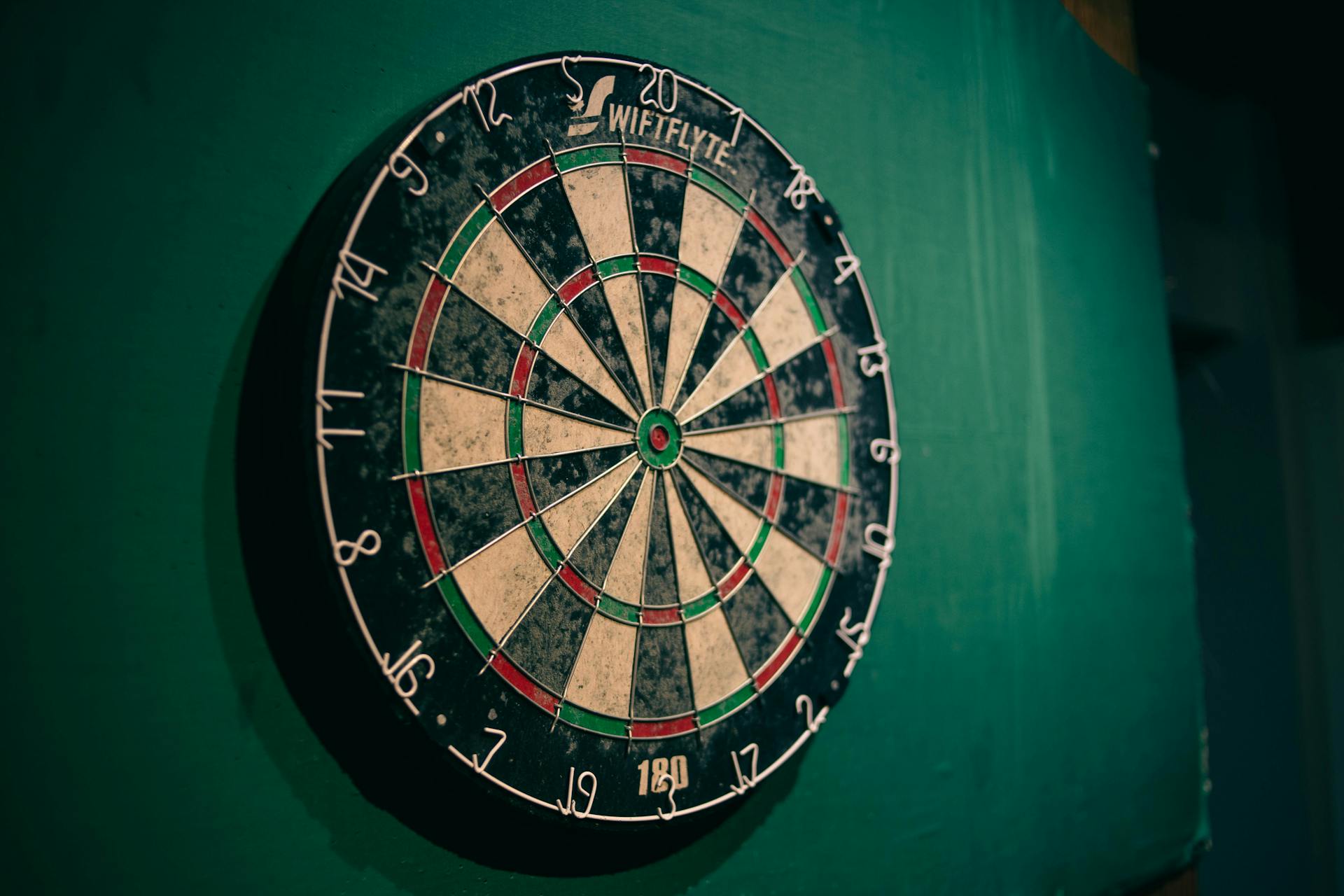
Darts may look like a simple game at first glance, but its roots go back several centuries. The origins of darts are commonly traced to medieval England, where soldiers would throw short arrows at the cut ends of tree trunks. The rings of the wood naturally created target zones, which later evolved into the scoring system we recognize today. Over time, this activity shifted from military training into a recreational pastime, especially in English pubs.
By the late 19th and early 20th centuries, darts had become a staple of pub culture across the United Kingdom. It was during this period that the game began to take a more structured form. Standardized dartboards were introduced, and rules became more consistent. What was once an informal game started to gain legitimacy, eventually leading to organized competitions.
The transformation of darts into a professional sport accelerated in the late 20th century. One of the most important milestones was the formation of the Professional Darts Corporation. This organization played a crucial role in modernizing the sport, introducing high-profile tournaments, increasing prize pools, and bringing darts to a global television audience.
The Rise of Professional Darts – The Role of Major Organizations
The establishment of professional governing bodies changed everything for darts. The PDC, in particular, created a platform where players could compete at the highest level while also gaining financial stability. The organization invested heavily in broadcasting, marketing, and event production, turning darts into a spectator-friendly sport.
As a result, darts events began to attract large audiences both in arenas and on television. The atmosphere became one of the defining features of the sport, with fans dressing in costumes, singing, and actively participating in the experience. This unique blend of competition and entertainment helped darts stand out from more traditional sports.
Major Darts Tournaments – PDC World Darts Championship
The most prestigious event in the darts calendar is the PDC World Darts Championship. Held annually in London, this tournament brings together the best players in the world to compete for the ultimate title. Winning the World Championship is considered the pinnacle of a darts player’s career.
The tournament is known for its electric atmosphere. Fans fill the venue with energy, creating a setting that is both intense and celebratory. Matches often produce unforgettable moments, especially during the later stages when the stakes are highest.
Players Championship Series
Another essential part of the professional circuit is the Players Championship series. Unlike the World Championship, which is a single major event, the Players Championship consists of multiple tournaments held throughout the year. These events are crucial for players looking to improve their rankings and maintain consistency.
The format is fast-paced, with players often competing in several matches in a single day. This requires not only skill but also endurance and mental resilience. Many professionals consider these events to be the backbone of their competitive season.
Other Key Tournaments
In addition to the World Championship and Players Championship, there are several other important tournaments that shape the darts calendar. Events like the Premier League, World Matchplay, and UK Open each offer unique formats and challenges.
The Premier League Darts, for example, features a league-style format with weekly matches, while the UK Open is known for its open draw system, which can lead to unexpected matchups. These variations keep the sport fresh and engaging for both players and fans.
Legendary and Modern Players – Icons of the Game
No discussion about darts would be complete without mentioning Phil Taylor. Widely regarded as the greatest player in the history of the sport, Taylor dominated professional darts for decades. His consistency, precision, and mental strength set a standard that few have been able to match.
His success helped elevate darts to new heights, attracting more fans and inspiring future generations of players.
Modern Superstars
The modern era of darts has produced several outstanding players. Michael van Gerwen is known for his aggressive playing style and rapid pace. At his peak, he was nearly unstoppable, winning multiple major titles.
Another notable figure is Gerwyn Price, whose emotional intensity and competitive spirit make him one of the most exciting players to watch. His matches are often filled with drama and high-stakes moments.
The New Generation
In recent years, young talents like Luke Littler have emerged, signaling a bright future for the sport. These players bring fresh energy and new styles, ensuring that darts continues to evolve.
Their early success demonstrates that the barrier to entry is lower than ever, and that dedication and practice can quickly lead to high-level performance.
Rules and How the Game Works – Basic Format
The most common format in professional darts is 501. Each player starts with a score of 501 and takes turns throwing three darts at a time. The objective is to reduce the score to exactly zero.
However, the game is not as simple as it sounds. To win, a player must finish on a double, meaning the final dart must land in the outer ring of a number. This rule adds a strategic layer to the game, as players must plan their scoring carefully.
Scoring and Strategy
The dartboard is divided into numbered sections, each offering different point values. The highest possible score with a single dart is 60, achieved by hitting the triple 20 segment. While this is often the primary target, players must adapt their strategy depending on their current score.
Experienced players think several moves ahead, aiming to leave themselves with a favorable finish. This combination of precision and planning is what makes darts both challenging and rewarding.
Tips and Practical Guidance – Improving Accuracy
One of the most important aspects of darts is consistency. Players should focus on maintaining a stable stance and a smooth throwing motion. Repetition is key, as muscle memory plays a significant role in achieving accuracy.
It is also helpful to develop a consistent routine before each throw. This helps maintain focus and reduces the impact of external distractions.
Smart Practice
Rather than simply aiming for high scores, players should practice specific scenarios, such as finishing combinations. This improves overall gameplay and prepares them for competitive situations.
Tracking progress over time can also be beneficial, as it allows players to identify strengths and weaknesses.
The Modern Evolution of Darts
Darts have embraced technology in recent years. Electronic scoring systems, advanced statistics, and online platforms have transformed the way the game is played and followed. Players can now compete against opponents from around the world without leaving their homes.
The sport’s accessibility is one of its greatest strengths. Unlike many other sports, darts requires relatively little equipment and space, making it easy for anyone to get started.