
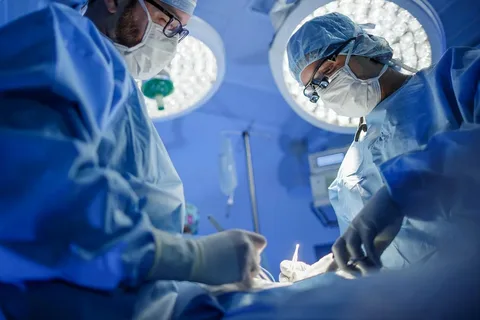
For decades, the standard postoperative experience following major thoracic surgery was notoriously grueling. A patient undergoing a lung resection such as a lobectomy to remove early-stage lung cancer could traditionally expect a multi-week hospital stay, severe pain from rib-spreading incisions, and long days confined to a hospital bed with thick chest tubes draining fluid.
However, the field of thoracic oncology has undergone a massive systemic revolution known as the ERAS (Enhanced Recovery After Surgery) protocol. ERAS is a multidisciplinary, evidence-backed care pathway that completely reimagines how a patient is prepared for and recovered from surgery. By discarding outdated medical dogmas and synchronizing the efforts of the expert cardiothoracic surgeon, anesthesiologists, and nursing staff, the ERAS protocol slashes hospital stays for modern lung surgery down to a mere two to four days, all while drastically lowering complication rates.
1. Pre-Operative Priming: Prehabilitation and “Carb Loading.”
Traditional surgical guidelines mandated strict fasting from midnight before an operation, a practice that frequently left patients entering the operating room in a highly stressed, insulin-resistant, and metabolically depleted state. The ERAS protocol turns this approach on its head by treating surgery like an athletic marathon.
Instead of starving the body, ERAS introduces targeted preoperative nutrition. Patients are encouraged to consume specialized, carbohydrate-rich clear fluids up to two hours before anesthesia induction. This “carb loading” strategy stabilizes blood glucose levels, prevents muscle wasting, and keeps the body’s metabolic engines running smoothly.
Furthermore, under the close guidance of their thoracic surgeon, patients often undergo “prehabilitation” in the weeks leading up to their procedure. This involves light aerobic conditioning and targeted inspiratory muscle training, ensuring their remaining lung tissue is as strong and oxygen-efficient as possible before the first incision is ever made.
2. Advanced Pain Management: Cryoanalgesia and Nerve Blocks
The single greatest barrier to a fast recovery after lung surgery is pain. If a patient is in pain, they cannot breathe deeply. If they cannot breathe deeply, their lungs collapse (atelectasis), fluid builds up, and they develop severe postoperative pneumonia.
To break this dangerous cycle, ERAS relies on multimodal, opioid-sparing pain protocols. Rather than relying on heavy intravenous narcotics that leave patients drowsy, nauseous, and constipated, modern thoracic teams use highly targeted regional nerve blocks.
A cutting-edge technique leading this charge is intraoperative cryoanalgesia. During a minimally invasive video-assisted or robotic lung surgery, the surgeon utilizes a specialized cold probe to temporarily freeze the intercostal nerves running along the ribs near the incision site. This blocks the transmission of pain signals for weeks, providing highly localized, long-lasting pain relief without any systemic side effects. When combined with continuous local anesthetic infusions (like erector spinae plane blocks), cryoanalgesia effectively numbs the chest wall, allowing patients to wake up alert and breathing comfortably.
3. Early Mobility: Walking Within Hours of Waking
Under traditional postoperative protocols, a patient who just lost a lobe of their lung was instructed to rest in bed for days. ERAS rejects this immobility, mandating that patients get out of bed and walk within hours of waking up from anesthesia.
Immobility is a primary driver of surgical complications. Early ambulation (walking) forces the remaining lobes of the lung to expand, clearing out residual fluids and optimizing oxygen exchange. It also stimulates the gastrointestinal tract, preventing postoperative ileus (paralyzed bowels), and significantly reduces the risk of deep vein thrombosis (blood clots in the legs).
By using opioid-sparing nerve blocks, patients are clear-headed and physically capable of standing up and taking steps on the ward the very same afternoon of their surgery.
4. Reducing Chest Tube Duration
A chest tube is a flexible plastic tube inserted into the pleural space around the lung during surgery to drain air and fluid, allowing the lung to re-expand. Historically, surgeons would leave these tubes in place until drainage stopped completely, keeping the patient tethered to a hospital wall suction unit for up to a week.
| Metric | Traditional Thoracic Pathway | Modern ERAS Protocol |
| Pre-Op Fasting | Nothing by mouth from midnight | Clear carbohydrate fluids up to 2 hours pre-op |
| Primary Pain Control | Intravenous opioids & PCA pumps | Cryoanalgesia & regional nerve blocks |
| Mobility Timeline | Bed rest for 24 to 48 hours | Walking within 2 to 6 hours of waking |
| Chest Tube Management | Continuous wall suction for days | Early transition to digital, portable suction |
| Average Hospital Stay | 7 to 10 Days | 2 to 4 Days |
ERAS protocols utilize advanced digital chest drainage systems. Instead of relying on fluctuating wall suction, these smart, portable devices apply precise, continuous micro-suction while digitally measuring fluid output and air leaks in real-time. This objective data allows thoracic surgeons to safely remove chest tubes much earlier than before, often within 24 to 48 hours removing the final physical anchor keeping the patient in a hospital bed.
Reclaiming Life Safely
The true magic of the ERAS protocol lies in its synergy. No single element, not the carbohydrate drink, the frozen nerve, nor the early walk can revolutionize recovery on its own. However, when these steps are chained together systematically, they safely fast-track healing.
By eliminating the trauma of unmanaged pain and the dangers of prolonged bed rest, the ERAS protocol proves that modern lung cancer surgery doesn’t have to be a multi-week ordeal. It empowers patients to safely skip the intensive care unit, reduce their hospital stay to just a few days, and return to the comfort of their own homes to continue their journey toward long-term survivorship.