

A landscape painting has the remarkable ability to transform an ordinary room into a sanctuary of calm and beauty. Whether it captures rolling hills bathed in golden light or a misty coastline at dawn, the right piece draws the eye, anchors a space, and invites a sense of indoor relaxation that few other decor elements can match. Yet for many interior design enthusiasts, two persistent challenges stand between them and a perfectly curated home: how to keep artwork looking its best over time, and how to integrate it seamlessly into an evolving decor scheme.
This article offers practical solutions on both fronts. You will discover proven art care techniques that protect your landscape paintings from dust, humidity, and fading, ensuring they remain vibrant for decades. You will also explore creative strategies for placement, lighting, and coordination that turn a single canvas into the defining feature of a room. Whether you are a seasoned collector or someone who just brought home their first piece, these actionable tips will help you enhance your space, elevate your mood, and celebrate the enduring beauty of landscape art.
Mastering Art Care for Your Landscape Paintings
A landscape painting is more than pigment on canvas—it is an investment in beauty, memory, and atmosphere. Without deliberate art care, however, even the finest piece can deteriorate quietly. Dust settles into textured brushstrokes, ultraviolet rays bleach once-vivid skies, and fluctuating humidity warps stretcher bars or cracks aged varnish. The good news is that most damage is preventable with consistent, informed maintenance. By understanding how environmental factors interact with your artwork’s materials, you can keep every sunrise, forest path, and ocean vista looking as luminous as the day it was created. The following subsections break the process into manageable routines—daily upkeep, long-term preservation, and safe handling—so you can protect your collection without needing a conservator on speed dial.
Essential Cleaning and Maintenance Routines
Regular cleaning prevents surface grime from bonding with paint layers and dulling the colors that make your landscape painting so captivating. Once a week, use a soft-bristle brush—such as a clean, dry hake brush or a photographer’s lens brush—to gently sweep dust from the surface, working from top to bottom in light, even strokes. Avoid feather dusters, which can snag impasto textures, and never use household cleaning sprays; the solvents and surfactants in these products can dissolve varnish or leave sticky residues that attract more dirt. For framed works behind glass, a microfiber cloth lightly dampened with distilled water is sufficient to remove fingerprints from the glazing—just ensure no moisture reaches the canvas edge. If you notice yellowing varnish or stubborn spots that brushing cannot remove, resist the temptation to scrub. Instead, note the area and consult a professional conservator who can safely address the issue without compromising original paint layers.
Long-Term Preservation and Storage Solutions
Environmental stability is the cornerstone of long-term art care. Aim to keep your landscape painting in a room where temperature stays between 65°F and 75°F and relative humidity hovers around 45–55 percent. Sudden swings in either direction cause canvas fibers to expand and contract, eventually leading to cracking or flaking. If your home lacks central climate control, a small hygrometer mounted near the artwork will alert you to dangerous shifts. Equally important is light management: hang paintings away from windows that receive direct afternoon sun, or apply UV-filtering film to nearby glass. When storing a canvas—during renovations or seasonal rotations—wrap it in acid-free glassine paper, place cardboard corner protectors on the frame, and store it upright in a cool, dry space rather than flat, which invites pressure damage. Proper framing also extends lifespan; choose acid-free mats and backing boards, and ask your framer about sealed packages that buffer against moisture and airborne pollutants.
Handling and Display Best Practices
How you move and install a landscape painting matters as much as where you hang it. Always wear clean cotton or nitrile gloves to prevent oils from your skin from transferring to the surface or frame finish. Carry the piece with two hands—one on each side—keeping it vertical and close to your body to minimize the risk of bumping corners against doorframes or furniture. When mounting, use appropriate wall hardware rated for the painting’s weight; a heavy oil on canvas demands a French cleat or two D-ring hangers with anchors, not a single nail. Once hung, check the work every few months for signs of trouble: look for new hairline cracks, areas where paint appears to lift, or any warping of the stretcher bars visible from the side. A small flashlight held at a raking angle across the surface reveals texture changes invisible under normal room light. If you spot active flaking or structural movement, remove the piece from the wall, lay it face-up on a padded surface, and contact a conservator promptly—early intervention is almost always less costly and more effective than delayed repair.
Integrating Landscape Paintings into Your Home Decor
Once your landscape painting is properly cared for, the next creative challenge is making it work within your living environment. A well-chosen piece can do far more than fill an empty wall—it can define the character of a room, guide the eye through a space, and cultivate a mood of indoor relaxation that greets you the moment you walk through the door. The key lies in treating the artwork not as an afterthought but as a foundational element of your landscape decor strategy. This means thinking carefully about where the painting lives, how light interacts with its surface, and what surrounding elements either support or compete with its visual story. Too often, a stunning canvas ends up lost above a cluttered console or washed out by overhead fluorescents, simply because placement and lighting were never given deliberate attention. The subsections below offer concrete guidance on positioning your artwork for maximum impact, using soft lighting to reveal depth and color, and building cohesive relaxation zones that make your home feel like a retreat rather than just a residence.
Strategic Placement for Space and Mood Enhancement
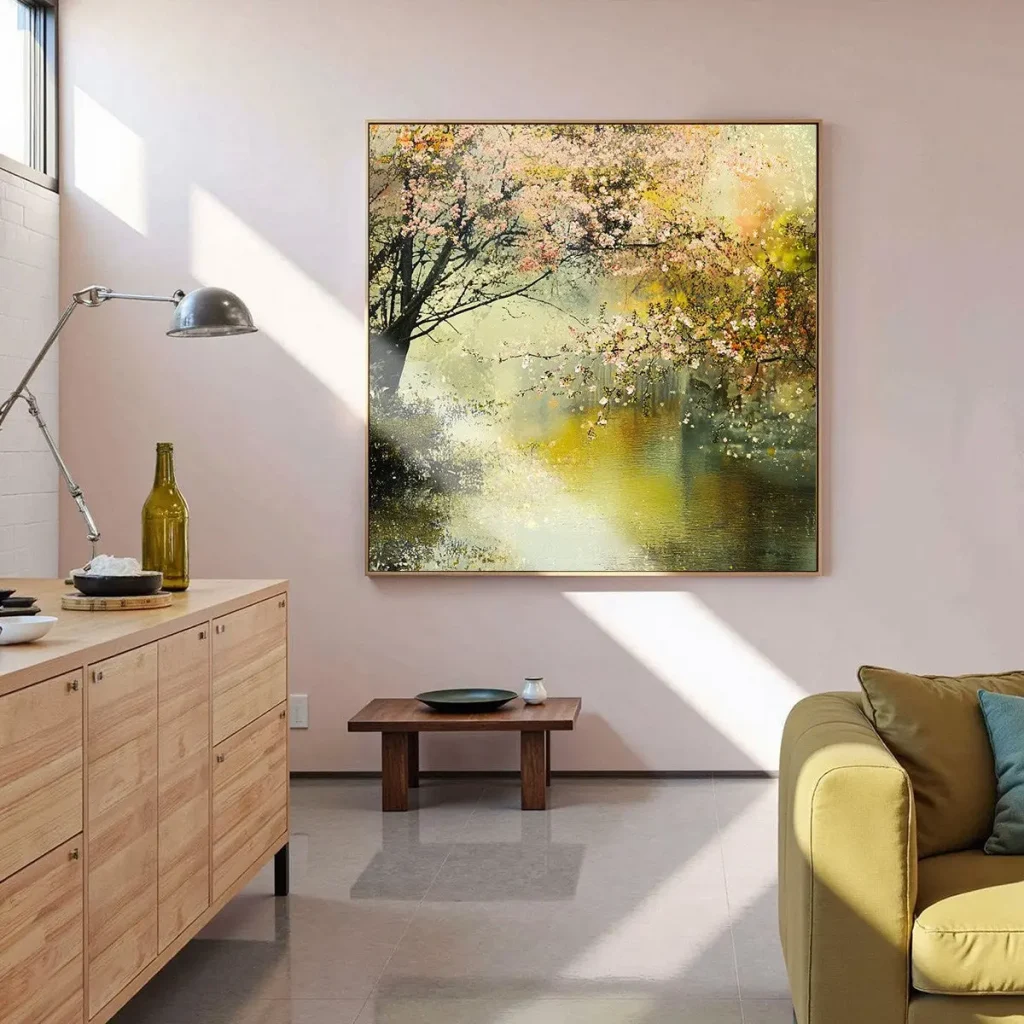
The room you choose and the wall you select both shape how a landscape painting influences your daily experience. In a living room, hang a large panoramic scene at seated eye level—roughly 57 inches from the floor to the center of the canvas—so it becomes a natural focal point during conversation or quiet reading. In a bedroom, a serene coastal or meadow composition placed above the headboard encourages calm as you wind down each evening. For narrow hallways or small dining areas, a vertically oriented landscape with strong depth—think a forest trail receding into mist—creates an illusion of expanded space. Balance the painting’s dominant colors with your existing palette: a warm autumnal scene pairs naturally with earth-toned upholstery, while a cool mountain vista complements rooms dressed in blues and grays. Avoid hanging landscape art directly above heat sources or in high-traffic zones where it competes with too many visual distractions. Instead, give the piece breathing room—at least six to eight inches of clear wall on each side—so the composition can command attention without overwhelming the surrounding decor.
Harnessing Soft Lighting to Showcase Artwork
Soft lighting transforms a landscape painting from a static decoration into a living element that shifts subtly throughout the day. The goal is even, gentle illumination that reveals brushwork and color saturation without producing glare or hotspots. Picture lights mounted to the top of the frame cast a warm downward wash and work beautifully for oil paintings with textured surfaces. If you prefer a cleaner wall profile, recessed adjustable ceiling spots angled at thirty degrees from the wall minimize reflection while bathing the canvas in consistent light. LED strips concealed behind a floating frame or along a nearby shelf offer ambient glow that enhances the painting’s atmosphere without drawing attention to the fixture itself. Choose bulbs with a color temperature between 2700K and 3000K to preserve the warmth of golden-hour landscapes, and look for a color rendering index above 90 so greens, blues, and earth tones appear true to the artist’s intent. Dimmers add another layer of control, letting you dial intensity down in the evening to create an intimate setting where the landscape becomes a softly glowing window into another world.
Creating Zones of Indoor Relaxation with Landscape Decor
A landscape painting reaches its full potential when it anchors a deliberate relaxation zone—a corner or area designed specifically for unwinding. Start by pairing the artwork with a comfortable reading chair or a low-profile daybed positioned so the painting falls naturally within your line of sight. Layer in textiles that echo the scene’s palette: a linen throw in sage green beneath a forest landscape, or a cream wool cushion that mirrors the clouds in a pastoral sky. A small side table with a candle or a potted fern reinforces the connection to nature without cluttering the space. In minimalist interiors, let the painting serve as the sole decorative statement on its wall, supported only by clean furniture lines and neutral surfaces that direct all attention to the artwork’s depth. In more eclectic homes, group the landscape with complementary objects—a ceramic vase in a coordinating glaze, a stack of art books, or a woven basket—to build a curated vignette that feels collected rather than staged. Original paintings from studios like MontCarta, with their rich textural quality and hand-mixed pigments, reward this kind of close-range arrangement where viewers can appreciate the subtleties of brushwork. The result is a purposeful pocket of indoor relaxation where art, comfort, and thoughtful landscape decor converge to restore your energy at the end of each day.
Preserve, Display, and Enjoy Your Landscape Art for Years to Come
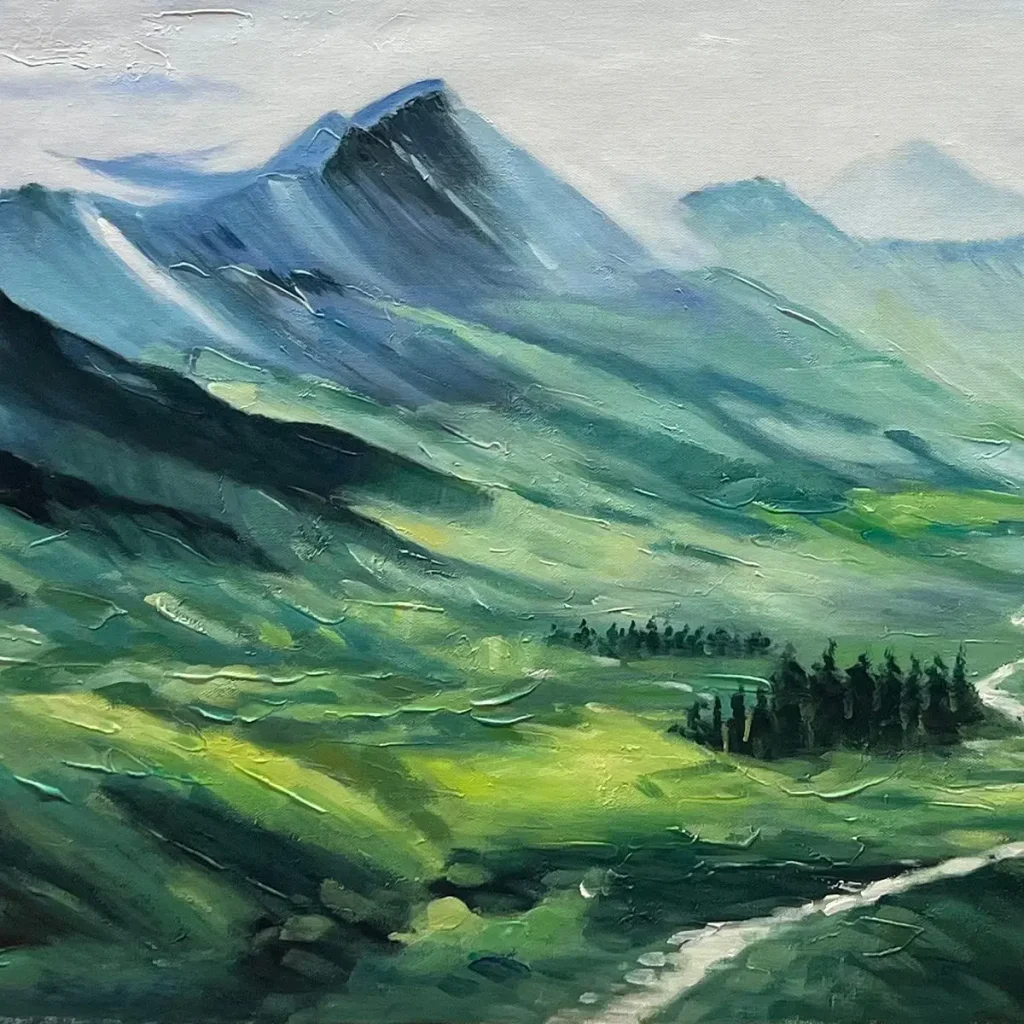
Landscape paintings offer a unique blend of visual beauty and emotional resonance that few other decor elements can replicate, but their full potential depends on two commitments: diligent art care and intentional design integration. By establishing regular cleaning routines, maintaining stable environmental conditions, and handling your artwork with respect, you ensure that every brushstroke remains as vivid and expressive as the artist intended for years to come. Equally important is the way you position, light, and surround your painting within a room—choices that determine whether the piece merely occupies wall space or actively shapes how a space feels and functions.
Take one step this week: inspect your current hanging conditions, adjust your lighting angle, or introduce a single complementary textile that bridges your landscape painting to the rest of the room. Small, deliberate changes accumulate into transformative results. As your confidence grows, continue exploring new arrangements, seasonal rotations, and fresh pairings that keep your home feeling dynamic. Art is not static, and neither is the space it inhabits—let your landscape collection evolve alongside your life, and it will continue to reward you with beauty, calm, and daily inspiration.
