
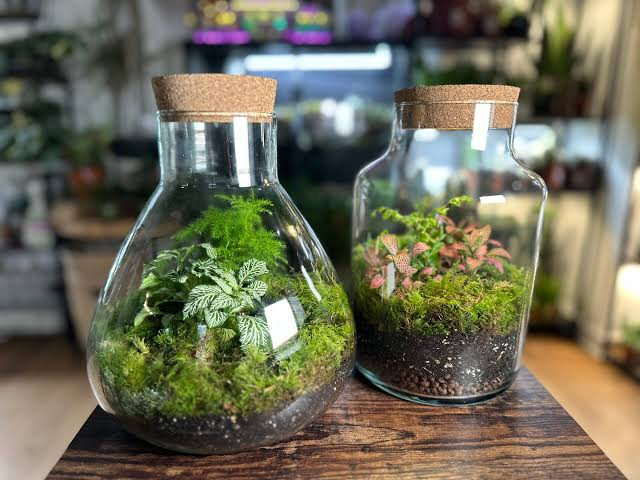
In the ever-evolving world of interior décor, trends may rise and fall, but certain classic design elements endure for good reason. As we step into 2026, glass terrariums have reclaimed center stage as a versatile and captivating way to bring natural beauty and tranquility into homes, workplaces, and public spaces alike. Whether it’s a modern apartment, a corporate office, or a boutique hotel lobby, these innovative vessels add a living, breathing element to any environment. For those searching for inspiration or a quality selection, glass terrarium vases from vasemarket remain a perennial favorite, blending style, sustainability, and function in one timeless piece.
The Allure of Glass Terrariums: Bridging Nature and Design
Glass terrariums have enjoyed a renaissance over the past decade. Their popularity owes much to the biophilic design movement—an approach to architecture and interiors that intentionally integrates nature to foster well-being. According to the International WELL Building Institute, incorporating plants and natural elements indoors can reduce stress, enhance productivity, and promote healthier, happier environments.
Why Glass?
- Unobstructed Views: The clarity of glass allows for 360-degree appreciation of plant life, decorative stones, and unique arrangements inside.
- Versatility: Glass terrariums come in numerous shapes and sizes, suitable for desks, coffee tables, window ledges, or even suspended from the ceiling.
- Microclimate Creation: The enclosed or partially enclosed environment supports humidity-loving plants, making it easier to cultivate delicate mosses, ferns, and air plants that otherwise struggle indoors.
Designers in 2026 consistently regard glass terrariums as a go-to solution for merging natural accents with minimalist, Scandinavian, or even industrial aesthetics.
A Brief History: From Victorian Curiosity to Modern Must-Have
The origins of the terrarium trace back to the 19th century, when Victorian botanists used “Wardian cases” to transport and display exotic plants. These glass containers not only protected delicate species from polluted city air but also allowed urbanites to cultivate greenery in small, shaded homes.
Today’s glass terrariums from brands like vasemarket build on this tradition, infusing contemporary spaces with the same spirit of curiosity and stewardship. Their enduring popularity in 2026 is underscored by renewed interest in home gardening—a trend confirmed each year by studies from the National Gardening Association.
Practical Benefits: More Than Just Beautiful Objects
Glass terrariums offer advantages that extend well beyond their visual impact:
- Low Maintenance: Many terrarium-friendly plants require infrequent watering, making them perfect for busy lifestyles or offices with minimal care routines.
- Space-Saving: Compact glass terrariums can green up small apartments, dorm rooms, or workspaces without demanding much real estate.
- Educational Value: They also serve as living science experiments—ideal for teaching children about ecosystems, humidity, and plant care.
According to the American Horticultural Society, the presence of even small-scale, contained plant displays can contribute to indoor air purification and foster a closer connection to nature.
How Glass Terrariums Fit When Space and Time Are Limits
With 2026’s increasingly urbanized population, the demand for compact, flexible, and striking home features is higher than ever. Glass terrariums stand apart as an answer to several challenges faced by modern dwellers:
- Urban Apartments: Where outdoor space is lacking, terrariums allow city dwellers to enjoy a slice of nature without the need for a yard or balcony.
- Flexible Placement: Set on bookshelves, side tables, or kitchen counters, they’re adaptable and easily moved when needed.
- Personalization: Each terrarium offers the chance for self-expression—no two are exactly alike, making them perfect gifts or conversation starters.
Surveys by the American Institute of Architects show a steady increase in demand for biophilic features, especially those compatible with smaller homes and rental properties.
Creating the Perfect Glass Terrarium: Basics and Beyond
While ready-made terrariums are widely available from shops like vasemarket, many enthusiasts also enjoy assembling their own. The process can be therapeutic and creative, involving several key considerations:
Choosing Your Vessel
- Shape: Globes, cubes, teardrops, and cylinders are among the most popular forms, each offering a unique display perspective.
- Opening: Open terrariums work well for arid plants like succulents, while closed types favor moisture-loving mosses and ferns.
Building Layers
- Drainage Layer (Pea gravel or small pebbles)
- Charcoal (Prevents odor and mold growth)
- Soil (Formulated for the chosen plants)
- Plants and Moss
- Decorative Elements (Stones, figurines, or shells for added personality)
Selecting Suitable Plants
- For Open Terrariums: Succulents, cacti, air plants, and kalanchoe
- For Closed Terrariums: Ferns, moss, fittonia, peperomia, and hypoestes
The Royal Horticultural Society advises careful matching of plant species to terrarium type for optimal growth and aesthetics.
Care and Longevity: Ensuring Your Miniature Oasis Thrives
Glass terrariums, while low-maintenance, do require regular attention:
- Light: Place terrariums in indirect light to avoid overheating and scorched plants.
- Humidity: Closed vessels retain more moisture and may require venting to prevent mildew.
- Watering: Less is more; only a light mist every 1-2 weeks unless the plants indicate thirst.
- Cleaning: Wipe glass periodically and trim any dead growth to keep the ecosystem healthy.
Garden experts, including those at leading horticultural universities, consistently recommend terrariums for beginner and seasoned plant lovers alike because of their manageable upkeep.
Sustainable and Stylish: Eco-Friendly Décor in 2026
Sustainability is at the forefront of design choices this year. Glass terrariums are inherently eco-friendly: made from recyclable materials and supporting locally sourced or even propagation-grown plants. By choosing reusable, elegant vessels like those from vasemarket, consumers can reduce waste and build greener habits.
Interior designers recommend them not only for aesthetics but for their role in supporting mental wellness—a category seeing year-on-year growth in design focus, as reported by the World Green Building Council.
From Homes to Workspaces: The Expanding Role of Glass Terrariums
Once considered strictly home décor, glass terrariums now appear in:
- Corporate Lobbies: As welcoming, living centerpieces.
- Restaurants & Cafés: Bringing life to tabletops and counters.
- Healthcare Facilities: Used therapeutically to reduce stress in clinics and waiting rooms.
- Educational Settings: In classrooms, where students can observe living cycles.
The American Society for Interior Designers has highlighted the terrarium trend in its 2026 design forecasts, noting their near-universal appeal and dual role as both artwork and wellness tool.
Terrarium Trends in 2026: What’s Next?
Several new trends promise to shape how glass terrariums are enjoyed this year and beyond:
- Integrated Lighting: LED-lit bases and fairy lights illuminate displays after dark.
- Themed Terrariums: From enchanted forests to desert scenes, themed micro-worlds are on the rise.
- Suspended Gardens: Hanging and wall-mounted terrariums are especially popular for maximizing vertical space.
- Smart Terrariums: Automated humidity and soil sensors make plant care even easier for tech-savvy owners.
These innovations, paired with the vast customization available at vasemarket, are pushing the boundaries of what’s possible within a glass container.
DIY and Community Connections
Workshops centered around creating terrariums are now featured in community centers, boutique shops, and online classrooms. These group activities cultivate not only plants but also a sense of connection, creativity, and mindfulness.
Educational advocacy groups highlight how such hands-on experiences—especially those involving sustainable materials—can spark lifelong appreciation for nature and science in students young and old.
Choosing Your Glass Terrarium: What to Consider
When selecting your perfect terrarium, keep these points in mind:
- Size & Space Available: Match the vessel size to where it’ll be displayed.
- Plant Type: Decide whether you want a hands-off succulent display or a lush, humid micro-jungle.
- Maintenance: Evaluate lighting and care requirements relative to your schedule and environment.
- Aesthetic Goals: Choose shapes, decorative elements, or even groupings to fit your style.
For those seeking inspiration or premium quality, vasemarket offers an array of options designed to last and captivate.
Conclusion: Lasting Beauty, Lasting Benefits
In 2026, glass terrariums stand tall as an emblem of harmonious living, merging style with substance in homes, offices, and public venues. Their transparent beauty, infinite diversity, and soothing presence make them more than just décor—they are a daily reminder of nature’s resilience and elegance.
For anyone ready to refresh their environment, inspire creativity, or simply reconnect with the calming influence of greenery, exploring the selection of glass terrarium vases at vasemarket is a perfect place to begin (and grow).
