
In the modern manufacturing landscape, the surface of a component is often just as important as the material from which it is made. Whether you are an engineer designing high-precision aerospace components, an automotive restorer looking for that perfect mirror finish, or a product developer creating the next generation of consumer electronics, understanding electroplating is essential.
Electroplating — often referred to under the broader umbrella of galvanic coatings—is a process that uses electrical current to reduce dissolved metal cations so that they form a thin, coherent metal coating on an electrode. This guide is designed to walk you through everything you need to know when ordering electroplating services, ensuring your parts meet functional, aesthetic, and budgetary requirements.
1. Understanding the Fundamentals: What is Electroplating?
At its core, electroplating is an electrochemical process. The “magic” happens in a plating tank containing an electrolyte solution. This solution contains dissolved metal salts (like gold, nickel, or zinc) and other ions that permit the flow of electricity.
The process involves two main components:
- The Anode: This is the “source” material, usually a solid piece of the metal you want to plate onto your part.
- The Cathode: This is the part you want to plate (your workpiece).
When a direct current (DC) is applied to the circuit, the metal atoms at the anode are oxidized and dissolve into the electrolyte. These ions then migrate through the solution to the cathode, where they are reduced back to a solid metallic state, forming a uniform layer over the surface of your part.
Why “Galvanic”?
The term “galvanic” refers to the Luigi Galvani, a pioneer in bioelectricity. In the context of coatings, galvanic protection often refers to the sacrificial protection offered by certain metals. For instance, zinc plating on steel is a “galvanic” coating because the zinc will corrode preferentially to the steel, protecting the structural integrity of the base metal.
2. Why Invest in Electroplating? The Core Benefits
Before placing an order, it is important to identify the primary goal of the coating. Electroplating serves several distinct purposes:
A. Corrosion Resistance
This is the most common reason for plating. By applying a layer of a more stable or sacrificial metal (like Zinc or Nickel), you can prevent the base metal from oxidizing and rusting. This is vital for parts exposed to harsh environments, salt spray, or industrial chemicals.
B. Wear and Hardness
Certain plating processes, such as Hard Chrome or Electroless Nickel, significantly increase the surface hardness of a component. This reduces friction and prevents galling, extending the life of moving parts like pistons, gears, and hydraulic rams.
C. Electrical Conductivity
In the electronics industry, copper and silver plating are used to enhance the conductivity of connectors. Gold is often used because it provides excellent conductivity while remaining completely resistant to oxidation, ensuring a reliable connection for decades.
D. Aesthetic Appeal
From the chrome bumper of a classic car to the rose-gold casing of a luxury watch, electroplating provides a premium finish that would be impossible or prohibitively expensive to achieve using solid precious metals.
E. Heat Resistance and Reflectivity
Metals like Rhodium or Silver are used in specialized applications to reflect light or heat, protecting sensitive equipment from thermal damage.
3. Common Types of Plating and Their Applications
When you contact an electroplating service provider, you need to know which metal best suits your needs. Here is a breakdown of the most common industrial coatings:
Zinc Plating
- Best for: Low-cost corrosion protection for steel parts (bolts, brackets, fasteners).
- Note: Zinc is usually followed by a “passivate” or “chromate” conversion coating (clear, yellow, or black) to further enhance corrosion resistance.
Nickel Plating
- Best for: A balance of corrosion resistance, wear resistance, and aesthetics.
- Types: Bright Nickel is used for decorative purposes, while Electroless Nickel (a chemical process rather than an electrical one) provides an incredibly uniform thickness even on complex internal geometries.
Chrome Plating
- Decorative Chrome: A thin layer of chrome over nickel, providing that classic “blue-white” mirror shine.
- Hard Chrome (Industrial): A much thicker layer applied directly to the base metal to provide extreme hardness (65-70 HRC) and low friction.
- Best for: Electrical conductivity or as a “strike” (undercoat) for other metals. Copper has excellent adhesion and can fill minor surface imperfections before the final plating layer is applied.
Gold and Silver Plating
- Gold: The gold standard for connectors and luxury goods. It does not tarnish.
- Silver: The highest electrical and thermal conductivity of any metal, but it will tarnish over time if not treated with an anti-tarnish coating.
4. The Critical Importance of Surface Preparation
One of the most important things to understand when ordering electroplating services is that the finish is only as good as the preparation. Plating does not hide scratches, pits, or tool marks; in fact, bright plating often highlights them.
A professional plating shop will follow a rigorous cleaning cycle:
- Degreasing: Removing oils and coolants used during machining.
- Pickling/Acid Dipping: Removing scales and oxides (rust) from the surface.
- Electro-cleaning: Using current to remove microscopic contaminants.
- Rinsing: Crucial between every step to prevent “drag-out” (cross-contamination of tanks).
Buyer Tip: If your parts have heavy rust, deep scratches, or old paint, discuss “mechanical finishing” (bead blasting, polishing, or tumbling) with your provider before the plating process begins.
5. Designing Your Parts for Success
Electroplating is subject to the laws of physics and chemistry, which means not every part shape is “platable.” If you are in the design phase, consider these factors:
The Faraday Cage Effect
Electric current follows the path of least resistance. This means that edges, corners, and protrusions will receive a thicker coating (high-current density areas), while deep recesses, holes, and internal threads may receive very little to no plating (low-current density areas).
Drainage and Air Pockets
Parts are dipped into tanks. If a part has a “cup” shape, it might trap air (preventing the solution from touching the metal) or trap liquid (creating a mess and contaminating subsequent tanks). Ensure your design includes drain holes or talk to your plater about specialized racking.
Dimensional Tolerances
Plating adds thickness. A standard zinc plate might add 5–10 microns, but hard chrome can add 100 microns or more. If you have tight-tolerance threads or press-fit bearings, you must account for this growth in your initial machining or ask the plater to mask those areas.
6. Specifying Your Requirements: What the Shop Needs to Know
To get an accurate quote and a high-quality result, you should provide the following information to your service provider:
- Base Material: Is it 1018 Steel? 6061 Aluminum? 360 Brass? Different metals require different pre-treatments (e.g., aluminum requires a “zincate” process before it can be plated).
- Specification Standards: Are you following an ASTM, ISO, or Military (MIL-SPEC) standard? If you aren’t sure, tell the plater the environment the part will be used in.
- Required Thickness: Usually measured in microns (µm) or mils (0.001 inches).
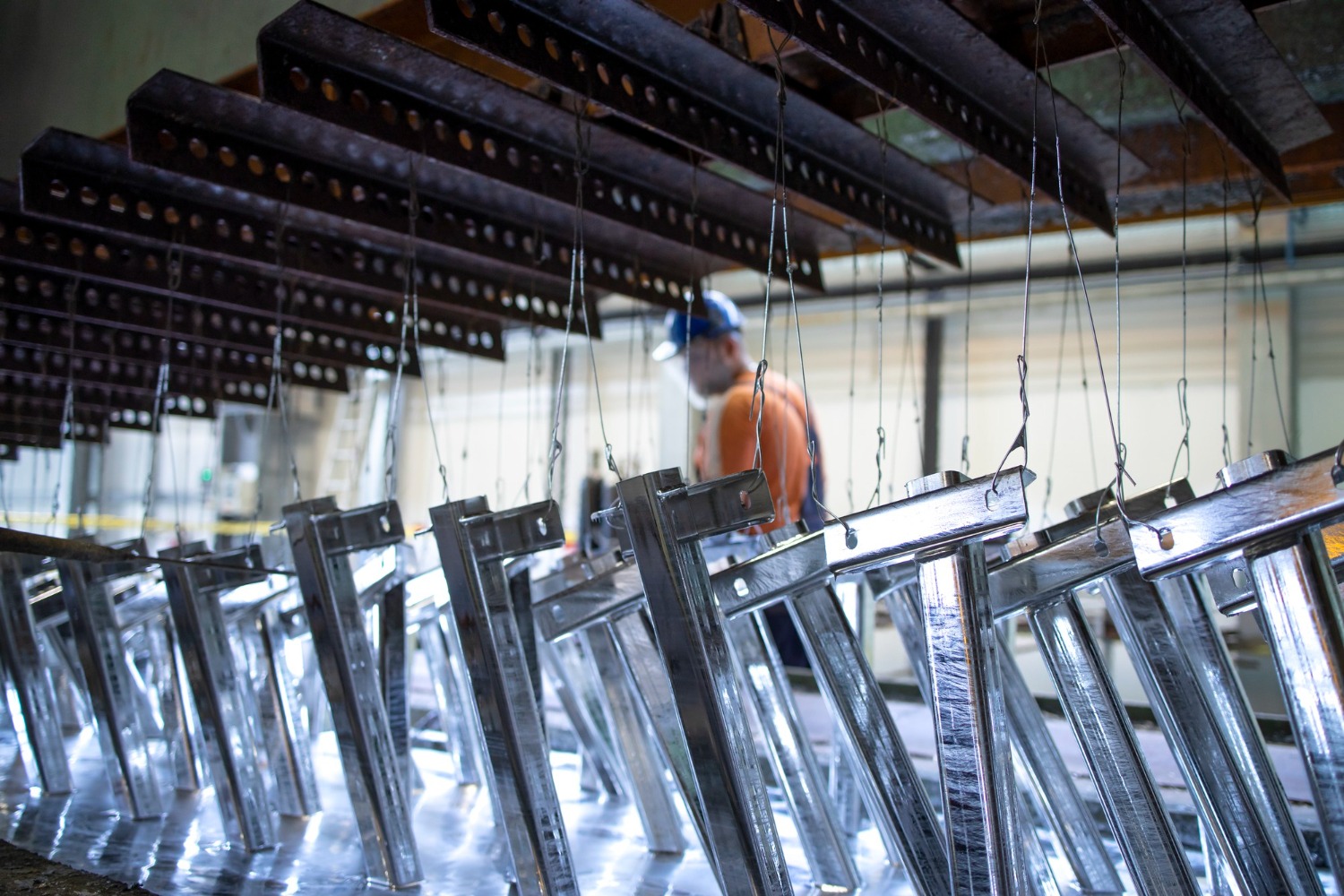
- Critical Surfaces: Identify which surfaces need the most protection and which ones can be used for “racking” (the point where the wire contacts the part to provide electricity).
- Post-Plating Requirements: Do you need hydrogen embrittlement relief? This is a baking process required for high-strength steels to prevent them from becoming brittle after acid exposure.
7. Quality Control and Testing
How do you know you got what you paid for? Reputable electroplating services use several methods to verify quality:
- X-Ray Fluorescence (XRF): A non-destructive way to measure the exact thickness of the metal layer.
- Salt Spray Testing (ASTM B117): Placing a sample in a chamber filled with salt fog to see how many hours it takes to rust.
- Adhesion Tests: Ensuring the plating won’t peel or flake off under stress (e.g., the “bend test”).
- Visual Inspection: Checking for blistering, burning (rough edges), or “skip” (areas with no plating).
8. Environmental and Regulatory Considerations
The electroplating industry is heavily regulated due to the chemicals involved (such as cyanides and hexavalent chromium). When choosing a provider, ensure they are compliant with:
- RoHS (Restriction of Hazardous Substances): Particularly important for electronics. This usually means using Trivalent Chromium instead of Hexavalent Chromium.
- REACH: European regulations regarding chemical safety.
- Local Environmental Permits: Working with a “basement shop” that doesn’t properly treat its wastewater is a massive legal risk for your supply chain. Always choose an ISO-certified and environmentally responsible partner.
9. How to Choose the Right Electroplating Partner
Not all plating shops are created equal. Some specialize in high-volume, low-cost barrel plating (ideal for thousands of small bolts), while others specialize in high-precision rack plating for the aerospace industry.
Questions to ask a potential provider:
- “What is your typical lead time for [Specific Metal]?”
- “Do you have in-house testing equipment (XRF)?”
- “Are you comfortable working with [Your Base Metal]?”
- “Can you provide a Certificate of Conformance (CoC)?”
- “What is your minimum order charge?”
10. Conclusion
Electroplating is a sophisticated blend of chemistry, physics, and artistry. While it might seem like a simple final step in the manufacturing process, it is often the factor that determines whether a product fails in the field or lasts for decades.
By understanding the different types of coatings available, designing your parts with the plating process in mind, and communicating clearly with your service provider about specifications and tolerances, you can ensure a successful outcome. Whether you are seeking the rugged durability of hard chrome or the conductive reliability of gold, a well-chosen galvanic coating is the ultimate way to add value and longevity to your metal components.
When you are ready to order, remember the golden rule of finishing: Communication is key. A quick conversation with your plater before you start machining can save you thousands of dollars in rework and ensure your project shines—literally and figuratively.
