

Upgrading electrical panels and wiring is essential for maintaining a safe, efficient, and reliable home power system. Older electrical setups often struggle to support modern appliances, leading to overloads, frequent breaker trips, and potential fire hazards. By upgrading key components, homeowners can ensure consistent energy flow and improved safety.
Many homeowners trust experienced professionals like Electrical Contractors of Georgia when they need dependable solutions for upgrading outdated electrical systems.
Key Takeaways
- Upgrades improve safety and reduce fire risks
- Modern panels handle higher electrical loads efficiently
- Updated wiring supports advanced appliances
- Proper installation ensures long-term reliability
- Upgrades enhance property value and performance
Electrical studies indicate that outdated panels and wiring contribute to a significant number of residential safety issues. As energy demands continue to increase, upgrading systems becomes a necessary step rather than an optional improvement.
Experienced electricians evaluate existing systems and implement upgrades that meet current safety codes and performance standards, ensuring reliable operation for years to come.
Understanding Electrical Panels and Wiring Systems
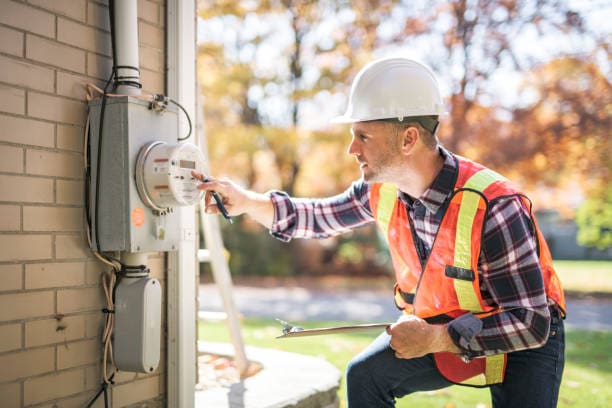
Electrical panels act as the central hub for distributing power throughout the home, while wiring connects all outlets, switches, and appliances.
Older panels may lack the capacity to support modern energy demands, and aging wiring can deteriorate over time. Together, these issues can lead to inefficiencies and safety concerns.
Upgrading both components ensures that the system can handle increased loads while maintaining safe operation.
Signs That Indicate the Need for Upgrades
Recognizing early warning signs can help homeowners take action before issues escalate.
- Frequent circuit breaker trips during normal use
- Flickering or dimming lights across multiple rooms
- Burning smells or warm outlets
- Limited capacity for additional appliances
These signs often indicate that the electrical system is no longer meeting current demands.
Benefits of Professional Upgrades
Upgrading electrical systems provides multiple advantages beyond basic functionality.
When homeowners invest in electrical panel and wiring upgrades, they gain improved safety, efficiency, and compatibility with modern technologies.
- Enhanced load capacity for modern appliances
- Improved energy efficiency and reduced power loss
- Increased reliability of electrical connections
- Better support for smart home systems
These benefits contribute to a safer and more efficient living environment.
Comparing Old vs. Upgraded Electrical Systems
| Feature | Older System | Upgraded System |
| Load Capacity | Limited | High capacity |
| Safety | Higher risk of faults | Improved safety standards |
| Efficiency | Energy loss common | Optimized energy flow |
| Compatibility | Limited appliance support | Supports modern technology |
This comparison highlights how upgrades significantly improve performance and safety.
Considerations Before Starting an Upgrade
Before proceeding with upgrades, homeowners should evaluate the age of their electrical system and current performance. Older homes are more likely to require comprehensive improvements.
Budget is an important factor, but prioritizing quality ensures long-term benefits. Investing in reliable upgrades reduces the need for future repairs and enhances overall safety.
Homeowners should also consider future energy needs, such as adding new appliances or integrating smart technologies.
Common Questions Homeowners Ask
Many homeowners ask whether upgrading both the panel and wiring is necessary. In most cases, upgrading both ensures compatibility and optimal performance.
Another common question involves project timelines. Electrical upgrades typically take several days, depending on the size and complexity of the system.
Homeowners also wonder about energy savings. Modern systems improve efficiency, which can lead to noticeable reductions in energy costs over time.
Bonus Tips for Maintaining Electrical Systems
Maintaining an upgraded system ensures consistent performance and longevity.
- Schedule periodic inspections by professionals
- Avoid overloading circuits with multiple devices
- Replace outdated components promptly
These practices help maintain safety and efficiency over time.
Frequently Asked Questions
How do homeowners know if their panel needs upgrading?
Frequent breaker trips, outdated fuse boxes, and limited capacity are clear indicators that an upgrade is needed.
Is it necessary to upgrade wiring along with the panel?
In many cases, yes. Upgrading both ensures compatibility and improves overall system performance.
How long do electrical upgrades last?
Modern electrical systems can last several decades when installed correctly and maintained properly.
Can upgrades improve energy efficiency?
Yes, updated systems reduce energy loss and improve the performance of appliances and devices.
Is professional installation required?
Yes, electrical upgrades are complex and require professional expertise to ensure safety and compliance with standards.
Conclusion
Electrical panel and wiring upgrades are essential for improving safety, efficiency, and reliability in modern homes. By replacing outdated components and enhancing system capacity, homeowners can reduce risks and support growing energy demands. Investing in professional upgrades ensures long-term performance and peace of mind.