

For many homeowners and businesses across Northern Ireland, asbestos is something that only becomes a concern when renovation work begins or when an older building starts to show its age. Yet asbestos-containing materials are far more common than most people realise, and many properties built before the year 2000 still contain products that pose a risk if disturbed. Knowing when and how to arrange asbestos testing is an important part of managing a safe environment and staying compliant with local regulations.
Asbestos was widely used throughout the construction industry for decades due to its heat resistance, strength, and affordability. It can be found in pipe insulation, textured coatings, corrugated roofing sheets, floor tiles, cement boards, boiler flues, soffits, bitumen adhesives, and various forms of insulation board. These materials often look ordinary to the untrained eye, which is why testing remains the only reliable method of confirmation. Whether you’re planning home improvements, preparing a property for sale, or operating a commercial building with legal responsibilities, understanding the testing process helps you take the appropriate next steps.
Why Asbestos Is Still a Concern Today
Although asbestos has not been used in new construction for over two decades, the materials installed before the ban do not simply disappear. In many Northern Irish properties, these materials remain intact and undisturbed, posing little immediate risk. The danger arises when they are drilled into, sanded, cut, broken, or deteriorate naturally with age. Even small projects such as replacing a soffit, removing old vinyl tiles, or drilling into a boiler cupboard can disturb asbestos fibres if the material contains one of the regulated asbestos types.
This is why professionals emphasise the importance of testing rather than guessing. A homeowner might assume a material is harmless because it resembles modern cement board, but in many cases the older asbestos versions look almost identical. The peace of mind offered by a conclusive test is worth the small investment, especially considering the potential health and financial consequences of ignoring the issue.
How the Asbestos Testing Process Works
Arranging asbestos testing is straightforward. A trained specialist visits your property, identifies any materials suspected of containing asbestos, and carefully takes samples for laboratory analysis. Testing must be carried out by a UKAS-accredited laboratory, which uses polarised light microscopy to determine whether asbestos fibres are present and, if so, which type. In most cases, results are available within a couple of days.
For small domestic queries — for example, a garage roof, old pipe insulation, or a single panel near a boiler — a basic sample test is usually enough to answer the question. However, larger buildings or renovation projects may require a management or refurbishment survey. These surveys examine the property in more detail and provide a structured plan for dealing with any asbestos identified. Commercial property owners, landlords, and employers generally have a legal duty to ensure that asbestos risks are managed competently, making surveys a necessary part of compliance.
If test results confirm the presence of asbestos, the report will explain the type of material, its condition, and whether any remedial action is required. Some materials, such as asbestos cement, may be perfectly safe to leave in place if they are intact and not likely to be disturbed. Others, especially friable insulation materials, need more careful handling.
What Happens After You Receive the Report?
The next steps depend entirely on the condition and type of the asbestos-containing material. Many homeowners are relieved to learn that removal is not always necessary. If a material is stable, sealed, and unlikely to be damaged, it can often remain undisturbed without posing a risk. Your test report or survey will outline the safest approach, whether that involves monitoring, encapsulation, or planned removal.
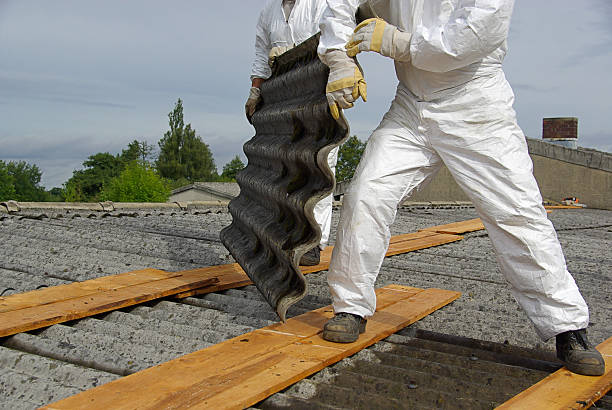
For those who do need to arrange removal, choosing a competent service provider is essential. Incorrect handling can release fibres unnecessarily, creating a hazard that could have been avoided. Professional removal ensures that the correct equipment, protective measures, and disposal procedures are used from start to finish.
Why DIY Kits Aren’t Recommended
DIY asbestos testing kits may seem appealing, but they carry significant drawbacks. Taking your own samples without training exposes you to unnecessary risk, especially if the material is more fragile than it appears. In addition, some kits do not use accredited laboratories, meaning the results cannot be relied upon by surveyors, insurers, or regulatory bodies. Professional testing ensures accuracy, safety, and documentation that may be needed for future property transactions or renovations.
With proper asbestos testing, clear results, and practical guidance, property owners can make well-informed decisions that keep people safe and avoid unexpected costs later. Whether you’re renovating a home, preparing a commercial property for tenants, or simply want clarity about an older material, arranging a test is a sensible and straightforward step.
Managing asbestos is ultimately about peace of mind. Knowing what you’re dealing with before work begins protects both the building and the people in it and ensures that any required actions, including asbestos removal, are planned safely and professionally.