
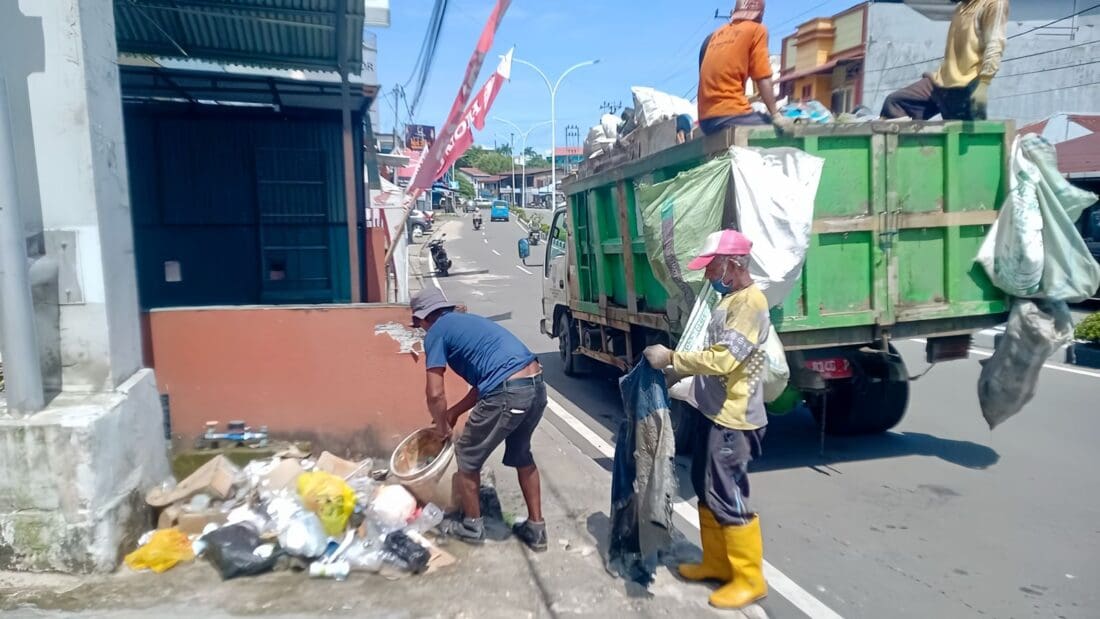
When we talk about keeping our environment clean and healthy, local government agencies play a huge role in making it happen. The Environmental Agency in Bangko, known as DLH Bangko, stands as a key player in protecting nature while helping the community grow economically. Understanding what this agency does helps us see how everyday environmental decisions shape the future of the region.
What DLH Bangko Stands For
DLH Bangko operates with a clear vision that guides all its activities. The agency dreams of creating “A Sustainable Environment to Support Sustainable Development Towards Bangko Emas 2045.” This vision isn’t just fancy words on paper. It represents a real commitment to balance environmental protection with economic progress over the next two decades.
The idea behind this vision is simple but powerful. A healthy environment supports healthy communities and thriving businesses. When air stays clean, water remains drinkable, and forests stand strong, people can build better lives without destroying what future generations will need.
Four Missions That Drive Change
To turn its vision into reality, the agency follows four main missions that shape how DLH Bangko works every day.
First, effective environmental planning sits at the core of everything. This means looking ahead, studying what might happen, and preparing solutions before problems get too big. Good planning saves money, protects nature, and keeps communities safe.
Second, building a green economy comes through inclusive environmental management. Everyone gets a voice in decisions that affect their surroundings. Whether you run a business, farm land, or simply live in Bangko, your input matters. This approach ensures economic growth doesn’t come at the expense of clean air and water.
Third, strong and fair environmental law enforcement keeps everyone accountable. Rules exist for good reasons, and DLH Bangko makes sure both big companies and regular citizens follow them. Fair enforcement means applying the same standards to everyone without favoritism.
Fourth, achieving good environmental governance requires cooperation across all sectors. Environmental issues touch everything from health to agriculture to tourism. Success requires different government departments, businesses, and communities working together instead of alone.
Strategic Goals That Make a Difference
These missions break down into specific strategic goals that you can actually measure and track.
Creating reliable environmental planning policies means developing rules and guidelines based on solid research and local needs. Policies need updating as situations change, so DLH Bangko constantly reviews and improves its approach.
Increasing the green economy involves helping businesses find ways to profit while protecting nature. This includes supporting eco-tourism, sustainable farming, and clean energy projects. At the same time, the agency builds capacity to adapt to climate change because weather patterns are shifting and communities need tools to handle new challenges.
Strengthening environmental law enforcement across sectors means coordinating with police, courts, and other agencies to hold violators accountable. Pollution doesn’t respect department boundaries, so enforcement can’t either.
Finally, enhancing digital governance makes services faster and more transparent. When people can check permit status online, report violations through apps, or access environmental data easily, government becomes more responsive and efficient.
The Daily Work That Matters
DLH Bangko handles many practical tasks that directly affect people’s lives.
The agency evaluates environmental impact studies before major projects get approved. Building a factory, opening a mine, or developing land all require careful review to prevent damage. This evaluation process protects communities from breathing toxic air or drinking poisoned water.
Controlling pollution and environmental damage stays top priority. The agency monitors air quality, tests water sources, and investigates complaints about industrial waste or illegal dumping. Quick responses to problems prevent small issues from becoming major disasters.
Managing hazardous waste and regular garbage keeps communities clean and safe. This includes overseeing recycling programs, ensuring proper disposal of dangerous materials, and educating people about reducing waste.
Supervision of business activities means regular inspections to verify companies follow environmental rules. Inspectors visit factories, check waste treatment systems, and review records. These checks aren’t meant to punish businesses but to catch problems early when they’re easier to fix.
Bringing Environmental Awareness to Everyone
Education forms a huge part of what DLH Bangko does beyond enforcement and planning.
Environmental campaigns reach schools, neighborhoods, and businesses with messages about conservation. Kids learn why trees matter, families discover how to reduce plastic use, and companies find ways to cut waste while saving money.
Community engagement brings people into decision-making processes. Public meetings let residents voice concerns about proposed projects. Workshops teach practical skills like composting or rainwater harvesting. This involvement builds stronger connections between government and citizens.
The agency also facilitates environmental preservation through hands-on projects. Organizing tree-planting events, maintaining city parks, and protecting local forests all depend on community participation. When people help create green spaces, they feel more invested in protecting them.
Coordination Makes Everything Work Better
Environmental protection requires teamwork across many government departments. DLH Bangko coordinates with health agencies on pollution-related illnesses, works with planning departments on land use decisions, and partners with education offices on school programs.
This integrated approach prevents confusion and wasted effort. Instead of agencies working against each other or duplicating efforts, coordination creates unified strategies that tackle problems more effectively.
Private sector cooperation matters too. Businesses have resources and expertise that government sometimes lacks. Building partnerships where companies benefit from helping the environment creates win-win situations that last longer than forced compliance.
Looking Toward Bangko Emas 2045
The path to 2045 stretches far ahead, but each action today brings Bangko closer to that golden future the vision describes.
Progress happens through consistent effort rather than dramatic one-time events. Every tree planted grows taller each year. Every cleaned river stays cleaner when people stop polluting. Every student who learns about conservation becomes an adult who makes better choices.
DLH Bangko serves as the guide and guardian on this journey, balancing protection with progress, enforcement with education, and local needs with global responsibility. The agency’s work touches everyone living in the region, often in ways people don’t immediately recognize.
Clean water flowing from taps, safe streets free of toxic air, and beautiful parks for families all exist because environmental agencies do their jobs well. The future of Bangko depends on this ongoing commitment to sustainability.
By understanding what DLH Bangko does and why it matters, residents can better support environmental efforts and hold leaders accountable for keeping promises. Together, a truly sustainable environment supporting sustainable development isn’t just a vision but an achievable reality.
