
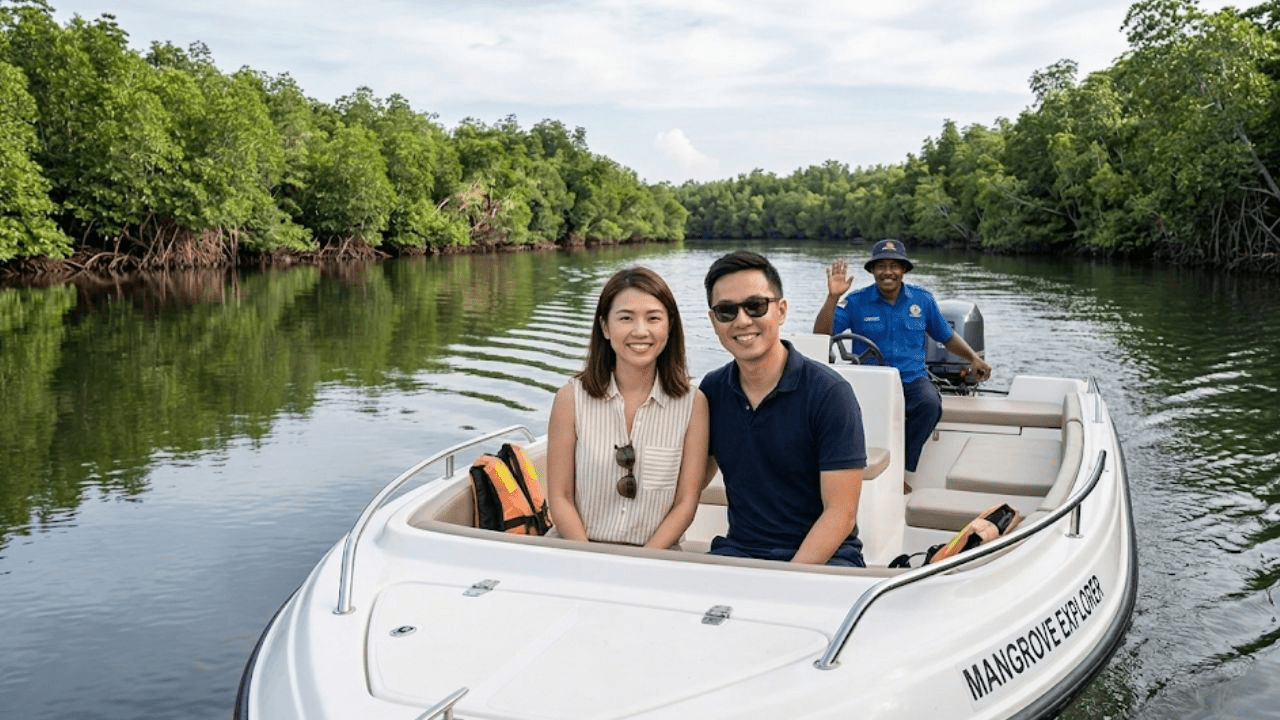
Bintan Island is well known for its beaches and resorts, but beyond the coastline lies a rich natural ecosystem that many travelers find equally fascinating. One of the most unique ways to explore this natural environment is through a guided mangrove river journey. Travelers interested in nature exploration often look into the Bintan Mangrove Tour as an opportunity to experience the island’s wildlife, lush landscapes, and peaceful river systems.
Understanding the Mangrove Ecosystem of Bintan
Mangrove forests are an essential part of coastal ecosystems in many tropical regions, including Bintan Island. These forests consist of specialized trees that thrive in salty and brackish water environments, creating dense root systems that support a wide variety of wildlife.
The mangroves surrounding Bintan’s rivers provide habitats for numerous species such as birds, fish, crabs, and reptiles. These forests also play an important ecological role by protecting coastlines from erosion and maintaining the health of marine environments.
Exploring these forests offers travelers a chance to observe nature in its original state while learning about the ecological importance of mangrove habitats.
What to Expect During a Mangrove Tour
Mangrove tours in Bintan typically take place along calm rivers that pass through dense forest areas. Visitors usually travel by small boats guided by experienced local operators who are familiar with the region’s wildlife and environment.
As the boat moves slowly through the waterways, guides often explain the characteristics of the mangrove trees, the wildlife that inhabits the area, and the role these ecosystems play in protecting the coastline. Because the tours move at a relaxed pace, travelers have plenty of time to observe the surroundings and take photographs.
The calm river environment makes the experience suitable for a wide range of visitors, including families and travelers interested in nature-based activities.
Wildlife You May Encounter
One of the highlights of a mangrove tour is the opportunity to observe wildlife in its natural habitat. The mangrove forests of Bintan are home to many species that thrive in this unique environment.
Visitors may spot birds perched among the branches, monitor lizards resting along the riverbanks, or crabs moving across exposed roots. Some tours may also pass areas where monkeys are occasionally seen in the treetops.
Because the ecosystem is relatively undisturbed, the experience provides a rare opportunity to observe wildlife up close without disrupting their natural environment.
The Peaceful Atmosphere of the Mangrove Rivers
Unlike many tourist attractions that can be crowded and fast-paced, mangrove tours offer a calm and relaxing experience. The quiet movement of the boat through the water, combined with the sounds of birds and rustling leaves, creates a peaceful atmosphere.
Many travelers appreciate this slower pace, as it allows them to disconnect from busy schedules and enjoy the natural surroundings. The scenic views of winding rivers, dense greenery, and natural wildlife make the journey both educational and memorable.
Travel resources such as Bintan Travel Guide (BTG) often highlight mangrove tours as one of the most enriching nature experiences available on the island.
Best Time to Experience the Mangrove Tour
Mangrove tours are typically available throughout the day, but certain times may offer better wildlife viewing opportunities. Early morning and late afternoon tours are often preferred because wildlife activity tends to increase during these periods.
Weather conditions can also influence the experience. Calm days with clear skies allow visitors to enjoy the scenery more comfortably while providing better lighting for photography.
Even during less predictable weather, the dense mangrove environment still offers a fascinating setting for exploration.
Tips for First-Time Visitors
Travelers planning a mangrove tour should consider bringing a few essential items. Light clothing suitable for warm tropical weather is recommended, along with sunscreen and insect repellent.
A camera or smartphone can also be useful for capturing the unique scenery and wildlife encountered during the tour. Since boats move slowly through the water, there are many opportunities to take photos of the surrounding forest and river landscape.
Visitors should also follow the guidance of tour operators to ensure safety and minimize disturbance to the natural ecosystem.
Conclusion
The mangrove forests of Bintan represent an important and fascinating part of the island’s natural environment. A guided river journey through these ecosystems provides travelers with an opportunity to observe wildlife, learn about coastal ecology, and experience a quieter side of the island.
For visitors interested in nature exploration, the Bintan Mangrove Tour offers an educational and memorable way to discover the beauty of Bintan’s mangrove landscapes. With knowledgeable guides and scenic waterways, this experience allows travelers to appreciate the island’s natural heritage while enjoying a peaceful journey through one of its most remarkable ecosystems.
