
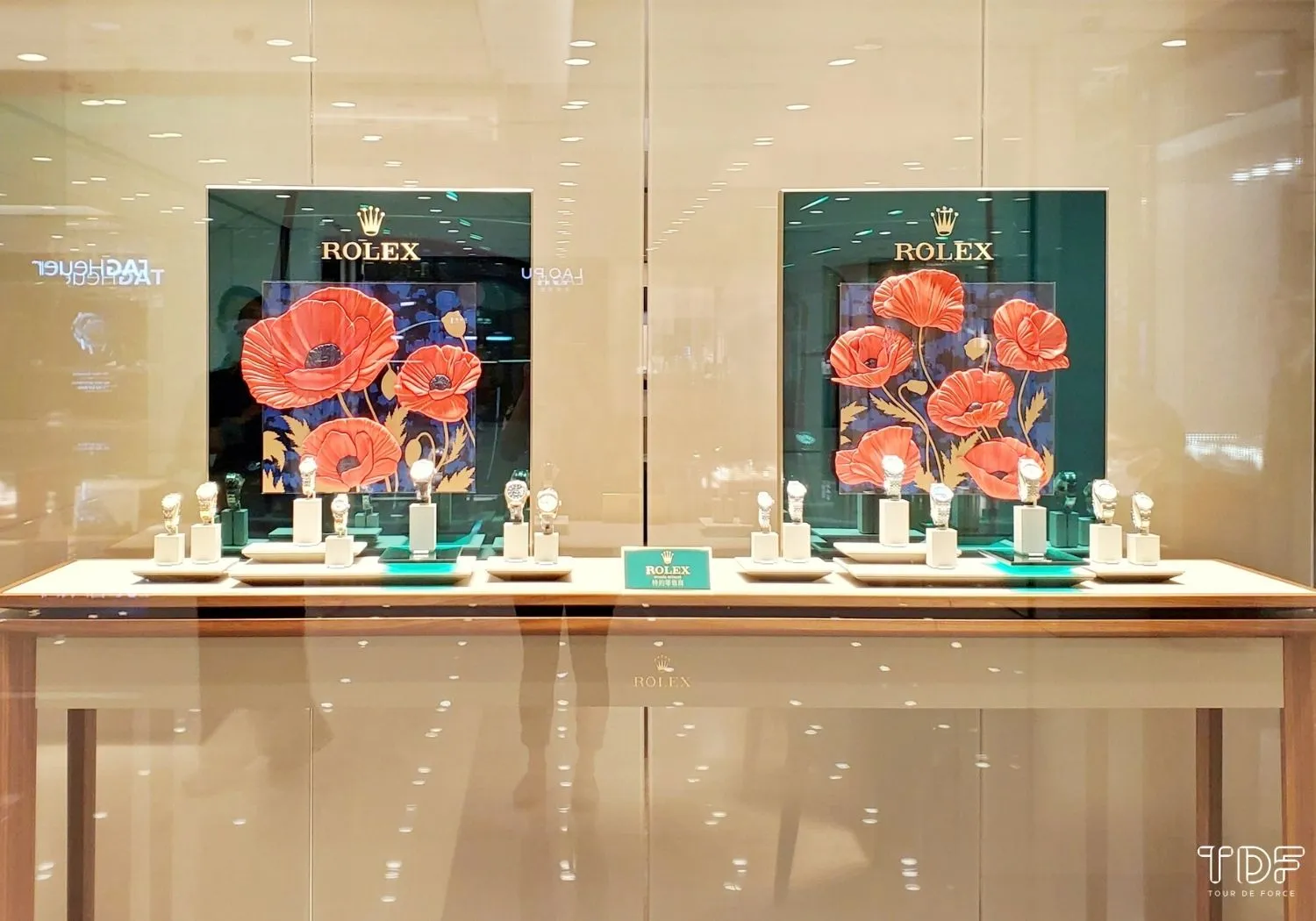
Creating an engaging retail environment is essential for brands that want to stand out in today’s competitive marketplace. Among luxury and fashion accessories, watches require especially thoughtful presentation because customers often evaluate them based on detail, craftsmanship, and perceived value. A well-planned in-store experience can significantly influence buying decisions, turning casual visitors into committed buyers.
An effective Retail Watch Display plays a crucial role in shaping how customers perceive both the product and the brand. It is not just about showcasing timepieces; it is about telling a visual story that highlights design, precision, and lifestyle appeal. Thoughtful arrangements, strategic lighting, and well-selected materials work together to create a display that draws attention and encourages interaction. In fact, many modern retailers now invest in a professionally designed Retail Watch Display to ensure their products are presented in a way that enhances customer engagement and supports sales performance.
Understanding Customer Behavior in Watch Retail
Customer behavior in watch retail is heavily influenced by visual appeal and emotional connection. Unlike fast-moving consumer goods, watches are considered both functional items and personal style statements. This means shoppers often spend more time observing, comparing, and interacting with displays before making a decision.
Shoppers are typically drawn to clarity, organization, and storytelling elements within a display. When products are arranged in a logical and visually appealing way, customers feel more confident exploring their options. On the other hand, cluttered or poorly structured presentations can discourage engagement and reduce perceived value.
Retailers must also consider that many customers browse before seeking assistance. A well-designed display should therefore communicate key product attributes even without staff interaction, guiding the customer journey naturally.
Key Design Elements of Effective Watch Displays
Several core design elements contribute to a successful watch display strategy. Each component plays a role in capturing attention and enhancing product perception:
- Material selection: Premium materials like glass, wood, and brushed metal reinforce the luxury appeal of watches.
- Spacing and arrangement: Proper spacing ensures each watch is visible and not visually competing with others.
- Brand consistency: Display design should reflect brand identity, from colors to structural style.
- Security integration: Watches must be protected while still remaining easily viewable.
When these elements are balanced effectively, the display becomes more than a storage solution—it becomes a marketing tool that communicates value and craftsmanship.
Lighting, Materials, and Visual Hierarchy
Lighting is one of the most influential factors in retail display design. Proper illumination highlights watch details such as dial texture, strap quality, and metallic finishes. Soft, focused lighting is often preferred to avoid glare while emphasizing product sophistication.
Materials also contribute to the overall perception of quality. Glass provides transparency and visibility, while wood adds warmth and luxury. Metal accents can introduce a modern and premium aesthetic. The combination of these materials helps create a visually balanced environment.
Visual hierarchy is equally important. High-value or new collection pieces should be positioned at eye level or in focal areas, ensuring they naturally draw attention. Supporting items can be placed in surrounding zones to guide exploration without overwhelming the viewer.
Layout Strategies to Increase Engagement
The layout of a watch display directly affects how customers move through a retail space. Strategic placement can increase dwell time and encourage deeper product interaction.
Some effective layout strategies include:
- Zoning by collection: Grouping watches by style, brand, or function simplifies decision-making.
- Central focal points: Highlighting premium models in central positions increases visibility.
- Flow-based design: Arranging displays in a natural walking path encourages exploration.
- Interactive spacing: Allowing space for customers to comfortably view products improves engagement.
Retailers should aim to create a journey rather than just a static display. When customers feel guided rather than overwhelmed, they are more likely to connect with the products and make confident purchasing decisions.
Conclusion
Designing effective watch displays requires a careful balance of aesthetics, functionality, and customer psychology. Every detail—from lighting and materials to layout and spacing—contributes to the overall shopping experience. A thoughtfully designed Retail Watch Display not only enhances product visibility but also strengthens brand perception and encourages meaningful customer interaction. By focusing on engagement-driven design principles, retailers can create environments that elevate both the shopping experience and overall sales performance.