
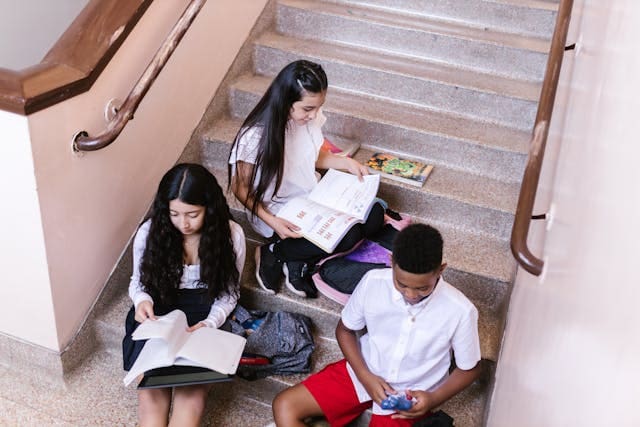
Parents used to focus on AP classes, test scores, and college counseling when visiting schools. Now many ask what their children will learn that software cannot imitate. Schools such as Delphian School describe their goal as preparing students “for life by helping them master their academics and gain the skills and abilities they need to go anywhere.” That purpose reflects a broader shift toward critical thinking, adaptability, curiosity, and creativity—qualities that matter even more as AI takes on routine academic tasks.
Teachers have noticed this change in real time. Students now arrive with easy access to tools that can summarize readings or produce a clean draft, which forces schools to decide what learning should look like when the basics can be automated. In response, many private schools rely more heavily on discussions, hands-on work, and open-ended tasks that reveal how students think through uncertainty.
These changes shift the center of gravity away from rote assignments and toward interactions that require presence and judgment. Lessons become less about producing a perfect answer and more about showing how ideas take shape. The strongest programs, like those at Dephian School, make these skills part of everyday routines rather than separate units or short-term projects.
Seminars That Build Honest Thinking
This transition appears in many classrooms, but it becomes especially clear in small seminars. In these rooms, a dozen students gather around a table, often close enough to read changes in each other’s expressions. A teacher may open with a guiding question, but the students determine where the conversation goes. A pointed observation might challenge someone’s interpretation. A quiet student might offer a detail the rest missed. These conversations move in unpredictable directions because they depend on the people in the room. Research reflects why this format works. A survey reported by Chalkbeat found that nine in ten teachers believe smaller classes strongly boost student learning, which aligns with the attention and responsibility these discussions demand.
The value of these seminars goes beyond comprehension. Students learn to disagree constructively, read social cues, and admit when someone else has presented stronger evidence. They also learn to clarify their own thinking, especially when pressed by a classmate who noticed a contradiction. Teachers guide this process with questions and subtle redirection rather than strict lecturing. Over time, students develop confidence in expressing ideas that are not fully polished, knowing they will be challenged and supported at the same time.
Leadership That Emerges From Real Responsibility
Leadership follows a similar pattern. Many private schools offer formal roles, but much of the real growth comes from situations that unfold more subtly. A student running a fundraiser has to motivate volunteers and adjust the plan when participation falls short. Someone managing a club budget learns to communicate clearly and solve problems when details shift.
These responsibilities carry weight because they affect the experience of others. A survey highlighted by Inside Higher Ed noted that 43 percent of students at private nonprofit institutions have held leadership positions, compared with 31 percent at public institutions, underscoring how these environments encourage students to take initiative.
Teachers do not shield students from difficulty. They let students feel the tension that comes with coordinating peers or fixing a mistake. When plans fall apart, adults help students look honestly at what went wrong. This process builds habits that cannot be taught through lectures about leadership. Students learn the difference between stepping up and taking over, and they begin to recognize leadership in quieter actions, like welcoming a new student or supporting a peer who feels overwhelmed. Character sharpens through repetition, not titles.
Learning Through Materials, Tools, and Setbacks
Hands-on programs reinforce these lessons. In engineering labs, art studios, and maker spaces, students learn from materials that resist neat solutions. Clay collapses, circuits fail, and prototypes fall short of expectations.
These moments force students to slow down, observe carefully, and adjust their methods. The physical realities of the work make shortcuts impossible. Students have to refine their approach based on what they see and feel, not just what they read.
Over time, students gain satisfaction from incremental progress. A model that leaned precariously in September might stand firm by spring after many revisions. A student who once struggled with basic woodworking might eventually mentor younger peers. These rooms often become communities where students exchange ideas naturally and help each other troubleshoot problems. They learn that progress depends on steady effort, patience, and a willingness to try again after failure.
Ethical Thinking in a Time of New Tools
Ethical thinking becomes essential as AI tools blend into schoolwork. Teachers now incorporate questions about fairness, accuracy, and responsible use into conversations across subjects. Students analyze real cases, such as how algorithms influence hiring decisions or how surveillance systems affect privacy. These examples help students understand how technological choices shape people’s lives and why ethical questions rarely have tidy answers.
Students also face dilemmas inside their own classrooms. A classmate might rely too heavily on an AI-generated draft. A group project might reveal a disagreement about how much automation is acceptable. Teachers use these situations to guide reflection rather than impose quick penalties. The goal is to help students understand how their choices affect trust in the community. They learn that rules matter, but judgment matters more.
Communication Skills That Still Require a Human Audience
Communication remains central to strong education. Students speak in front of real audiences during debates, Model UN conferences, senior exhibitions, and morning talks. These experiences teach them to adjust pacing, tone, and structure based on how listeners react. A slight change in the room can change the direction of a talk, and students learn to respond with clarity and focus. These abilities only develop through practice in front of people, not through automated feedback.
Writing courses support this growth through revision and conversation. Students sit with teachers to read their sentences aloud, notice awkward phrasing, and refine their structure.
These sessions reveal how writing becomes clearer through close attention and honest critique. Daily exchanges—quick explanations, small group discussions, and spontaneous reflections—also build comfort speaking without scripts. Over time, students gain the ability to communicate with confidence in various settings.
Broader Perspectives Through Human Connection
Global experiences deepen this growth. Many private schools organize language immersion trips, partnerships with schools abroad, or community projects that connect students with people from different cultural backgrounds. These interactions challenge students to navigate unfamiliar environments, communicate across language barriers, and handle misunderstandings with patience.
Research from the Institute of International Education found that three-quarters of respondents said an internship abroad helped them secure their first full-time job, which highlights why early exposure to international settings builds adaptability and broadens perspective.
These experiences do not need to be elaborate. Even short interactions—shopping in another country, taking public transit, or participating in a collaborative project with overseas peers—push students to read context more carefully. Schools that cannot offer extensive travel still integrate global perspectives through speakers, local partnerships, and diverse curricula. These approaches help students understand how different histories and cultures shape people’s expectations.
Mentorship That Follows Students Over Time
Personal mentorship ties all of these elements together. Advisors, coaches, and teachers often work with students for years, which allows them to notice subtle changes in motivation or confidence. They help students set goals, manage stress, and confront habits that need attention. These relationships give students a steady source of support and help them understand their own strengths with more clarity.
Long-term projects deepen these mentorships. Students preparing research papers, performances, or independent studies meet regularly with mentors who guide them through each stage. These conversations often move beyond the assignment into broader questions about growth, interests, and future plans. Students begin to see that education is shaped as much by relationships as by curriculum.
Delphian School: The Value of Slowing Down
Private schools like Delphian also preserve time for slow, focused work. Long class periods create space for detailed labs, careful reading, and extended discussions. Outdoor trips and tech-free retreats give students breaks from digital noise and encourage them to reflect. Projects that stretch over weeks or months show students how progress unfolds in stages, not quick bursts. They learn to distinguish between rushed output and thoughtful craft, a distinction that will matter throughout their adult lives.
Why Human Skills Still Matter Most
AI tools can support learning, but they cannot replace the human skills that form the core of strong education. They cannot read a room, offer comfort, or sense when a peer needs help. They cannot adjust a discussion based on a student’s expression or shape a team’s dynamic during a difficult moment. Private schools like Delphian School that recognize these differences design environments where students practice these skills every day. They help young people learn to think with care, communicate with purpose, and participate in communities that rely on trust rather than automated ease.