
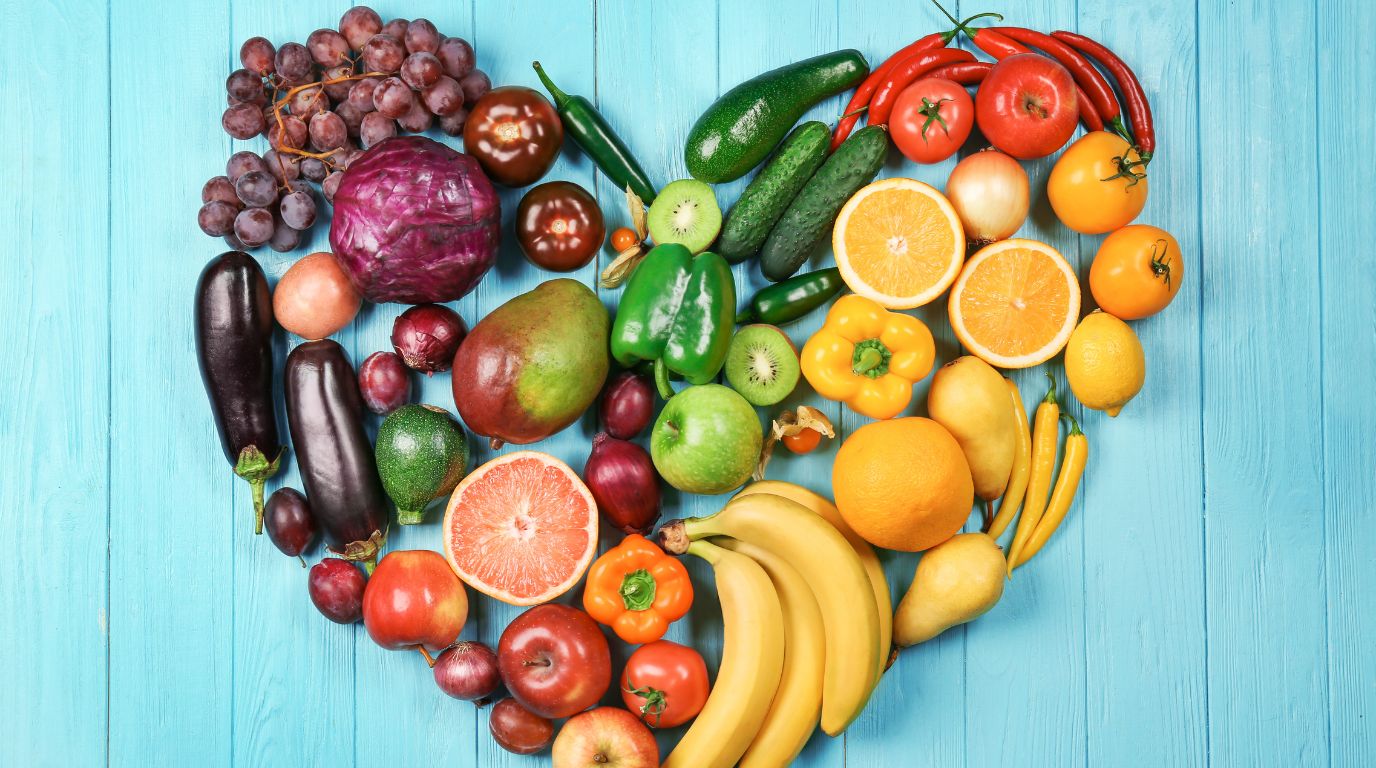
Dehydrated fruits and vegetables have become a popular choice among consumers looking for convenient, nutritious, and long-lasting food options. By removing most of the moisture while preserving essential nutrients, dehydration extends shelf life without significantly affecting the natural flavor or nutritional value. These products are widely used in households, restaurants, food processing industries, and outdoor activities because they are lightweight, easy to store, and require minimal preparation.
According to Expert Market Research, the global Dehydrated Fruits and Vegetables Market attained a value of USD 18,490.67 Million in 2025. The industry is projected to grow at a CAGR of 5.60% between 2026 and 2035, reaching approximately USD 31,885.40 Million by 2035. These insights are based on the company’s latest market analysis, highlighting the growing demand for convenient and nutritious food products across the world.
What Are Dehydrated Fruits and Vegetables?
Dehydrated fruits and vegetables are fresh produce that has undergone a drying process to remove most of its water content. The reduction in moisture helps prevent bacterial growth and extends the product’s shelf life. Unlike fresh produce, dehydrated products can be stored for months without refrigeration when kept in suitable conditions.
Several dehydration methods are used in the food industry, including hot air drying, freeze drying, vacuum drying, and solar drying. Each method offers different advantages depending on the type of fruit or vegetable and the desired product quality.
Why Are They Becoming More Popular?
Modern lifestyles have increased the demand for foods that are both healthy and convenient. Many consumers prefer products that are easy to carry, quick to prepare, and have a longer shelf life. Dehydrated fruits and vegetables meet these expectations while reducing food waste caused by spoilage.
Health-conscious consumers are also choosing dehydrated foods as snacks because many products retain important vitamins, minerals, antioxidants, and dietary fiber. Although some nutrients may decline during processing, high-quality dehydration techniques help preserve much of the original nutritional value.
Common Uses of Dehydrated Fruits and Vegetables
These products are used in many industries and everyday applications.
Food manufacturers include dehydrated ingredients in breakfast cereals, soups, instant noodles, bakery products, ready-to-eat meals, snack mixes, and baby food. Restaurants and catering businesses use them to simplify food preparation while maintaining consistent quality.
Outdoor enthusiasts also appreciate dehydrated foods because they are lightweight and easy to transport during camping, hiking, and long-distance travel. Emergency food suppliers often include dehydrated products in disaster preparedness kits due to their long storage life.
Growing food industries, including Japan Aquafeed, also benefit from advanced food processing technologies that improve ingredient preservation and supply chain efficiency for specialized applications.
Benefits of Dehydrated Fruits and Vegetables
One of the biggest advantages of dehydration is extended shelf life. Properly stored products remain usable for several months or even years without requiring refrigeration.
Another important benefit is reduced transportation costs. Since dehydration removes most of the water weight, shipping becomes more efficient, helping manufacturers lower logistics expenses.
These products also reduce food waste. Farmers and food processors can preserve surplus produce instead of allowing it to spoil during seasonal harvests.
Consumers also enjoy greater convenience because dehydrated ingredients require little storage space and are available throughout the year, regardless of seasonal production.
How to Store Dehydrated Foods Properly
Proper storage helps maintain quality and freshness. Dehydrated fruits and vegetables should be kept in airtight containers away from direct sunlight, moisture, and excessive heat. Cool, dry storage conditions help preserve flavor, texture, and nutritional value for a longer period.
Vacuum-sealed packaging provides additional protection by minimizing exposure to oxygen, which can reduce product quality over time.
Future Trends
Food technology continues to improve dehydration techniques, allowing manufacturers to preserve more nutrients while maintaining natural taste and texture. Freeze-drying, in particular, has gained popularity because it produces high-quality products with excellent nutritional retention.
Sustainability is another major trend shaping the industry. Manufacturers are investing in energy-efficient drying systems and environmentally responsible packaging solutions to reduce their environmental footprint.
Similar innovations are being adopted across industries such as Saudi Arabia Energy Storage, where advanced technologies focus on improving efficiency, sustainability, and long-term resource management.
Conclusion
Dehydrated fruits and vegetables provide an effective way to enjoy nutritious foods with greater convenience and longer shelf life. Their versatility, reduced storage requirements, and growing use across food manufacturing, retail, and household applications continue to increase their popularity worldwide. As food preservation technologies advance and consumer demand for healthy convenience foods grows, dehydrated products are expected to play an even more important role in the global food industry.
Author Bio
Lalit is a freelance content writer, blogger, and digital marketer with a strong interest in creating informative and reader-friendly content. He enjoys writing about technology, business, food, education, and digital trends while simplifying complex topics into practical information that readers can easily understand and apply.