
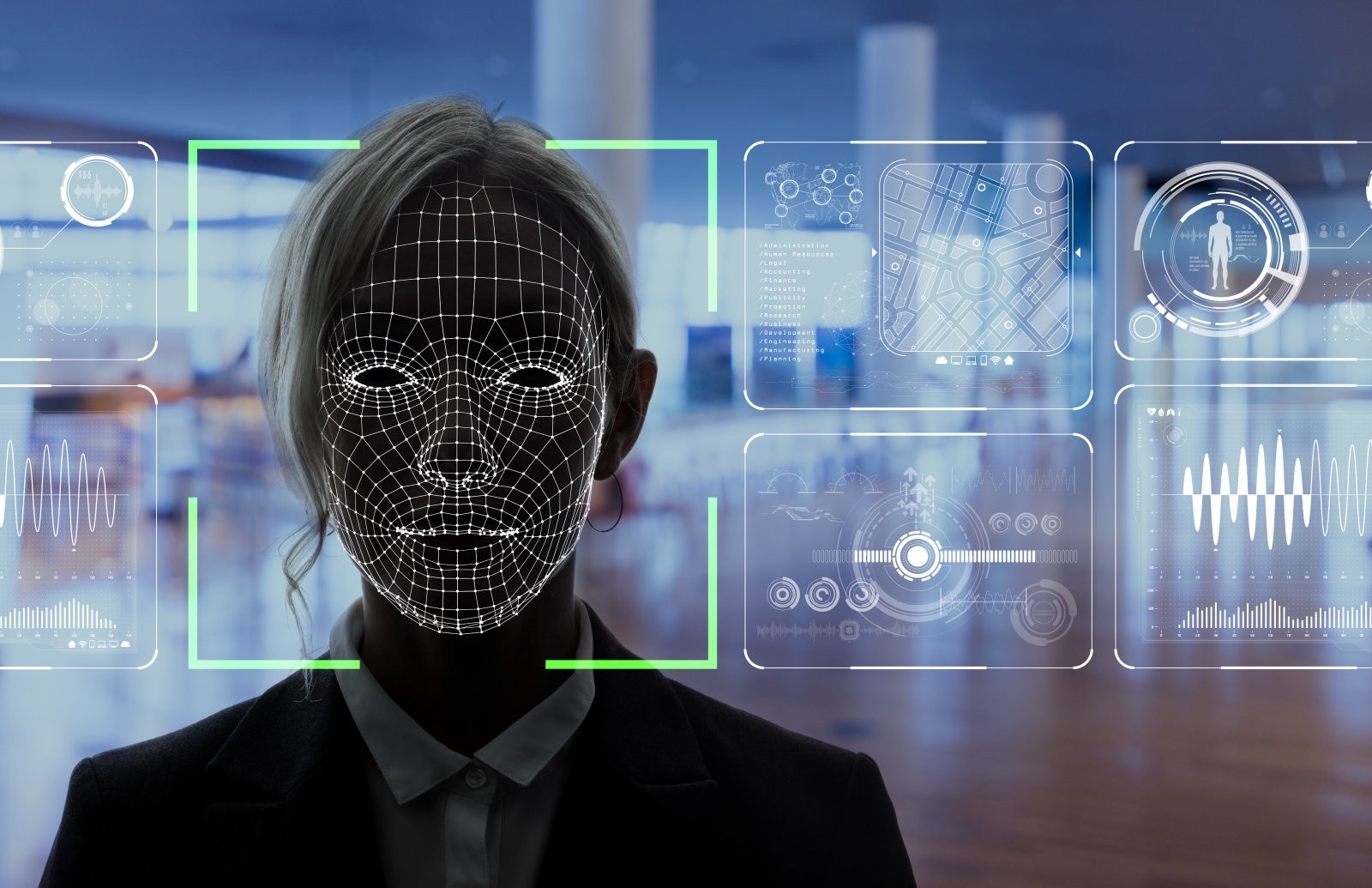
Synthetic media has crossed from a research curiosity into an active business threat. Voice clones are being used to authorize wire transfers. Deepfake video calls have bypassed financial controls at major organizations. And the tools to run these attacks are now widely accessible, cheap, and improving faster than most corporate defenses.
This guide covers what deepfake detection software actually does, what separates the platforms worth considering, and which solutions are best suited to different business environments.
What Is Deepfake Detection Software?
Deepfake detection software identifies whether a piece of media, including video, audio, or images, has been artificially generated or manipulated using AI. For businesses, this typically means detecting synthetic voices on calls, fake faces in video meetings, manipulated identity documents, or AI-generated content used in fraud and impersonation attacks.
The underlying methods vary by platform. Some tools analyze pixel-level artifacts and biological signals in video. Others evaluate acoustic fingerprints in voice. A newer category goes further by scoring not just the media but the conversation happening around it, flagging pressure patterns that indicate an active social engineering attempt.
What unites all of them is the goal: giving businesses a reliable way to verify that the person or content in front of them is real before they act on it.
Why Businesses Can No Longer Ignore This Threat
The Numbers Have Shifted
According to the European Parliamentary Research Service, around 8 million deepfakes were projected to be shared in 2025, up from 500,000 in 2023. Voice phishing attacks rose 442% over the last 18 months. Deepfake video scams increased 700% in the same period. One in four job candidates is projected to be synthetic by 2028.
The Losses Are Real and Documented
A Hong Kong-based finance employee authorized 15 wire transfers totaling $25.6 million after joining a video call populated entirely by deepfaked colleagues. A bank manager transferred $35 million following a cloned voice call from someone impersonating a director he recognized. These are not edge cases. They are documented incidents that followed a predictable attack pattern.
The Attack Surface Has Expanded
Hiring, vendor onboarding, customer calls, executive approvals, and media verification all now carry deepfake risk. Any workflow where a voice or face substitutes for identity verification is a potential entry point. For most businesses, that covers a large portion of daily operations.
How to Evaluate Deepfake Detection Software for Your Business
What Media Types Do You Need to Cover?
Video, audio, and image detection each require different underlying models. A tool optimized for face-swap detection in video may not handle voice cloning well, and vice versa. Start by identifying where your actual exposure sits: live calls, uploaded content, identity documents, or some combination.
Does It Need to Work in Real Time?
Batch analysis tools are useful for reviewing archived content but cannot stop an attack mid-call. If your risk is live conversation, you need a platform capable of evaluating media and flagging threats during the session, not after it ends.
How Does It Fit Into Existing Workflows?
The best detection tool is one your team actually uses. API-first platforms suit engineering teams building detection into products. SaaS platforms with native integrations into tools like Teams, Zoom, or contact center software reduce friction for operational teams who cannot afford setup overhead.
Does It Give You Actionable Verdicts?
A probability score with no recommended action puts the burden back on the reviewer. Look for platforms that produce clear verdicts tied to a recommended response: allow, hold for review, or block. The cleaner the output, the faster and more consistently your team can act.
What Is the False Positive Rate?
Over-detection creates alert fatigue and erodes trust in the tool. Under-detection lets attacks through. Ask vendors how they handle threshold tuning and whether you can calibrate sensitivity to your specific environment.
Best Deepfake Detection Software for Businesses
| Tool | Best For | Detects | Deployment | Key Strength |
| Diopter AI | Live call and meeting protection | Synthetic voice, deepfake video, manipulation arcs | SaaS, native on Teams/Zoom/Meet/Webex | Scores media and conversation arc simultaneously before the ask lands |
| Reality Defender | Real-time upload and session screening | Video, audio, images | API-first, enterprise SaaS | Low-latency multimodal detection at content entry points |
| Pindrop Pulse | Call center and phone fraud | Voice deepfakes, cloned audio | Platform, telephony-native | Acoustic analysis built for noisy real-world calls |
| Sensity AI | Visual deepfake investigation | Images, videos | Platform | Traces how a fake spreads, not just whether it exists |
| ID R&D | Biometric liveness and voice anti-spoofing | Face liveness, voice deepfakes | API, SDK | Passive liveness detection with low user friction |
| Attestiv | Document and media authenticity | Images, video, documents | API, enterprise SaaS | Tamper detection across media and business documents |
| Nuance Gatekeeper | Voice biometrics for contact centers | Voice deepfakes, synthetic speech | Platform, cloud or on-premise | Continuous authentication across the full call duration |
| DeepMedia | Broadcast and media verification | Video, audio | API, SaaS | High-accuracy detection tuned for broadcast-quality content |
1. Diopter AI — Best for Live Call and Meeting Protection
Diopter AI was built specifically for the attack vector that is generating the largest business losses: deepfake video and cloned voice on live calls used to push through wire transfers, unauthorized hires, or credential handoffs.
Most detection tools evaluate media in isolation. Diopter evaluates the conversation as well. The Manipulation Arc framework scores each call across five stages in real time: Authority, Urgency, Isolation, Escalation, and Ask. A call that shows synthetic media signals alongside a closing pressure arc receives a High-Risk verdict and is blocked before the ask lands.
For teams where a clean voice but high social pressure is still a red flag, Diopter flags that too as a Potential Threat, catching coached insiders and real-person social engineering attempts that media-only tools would miss entirely.
Native integrations cover Teams, Zoom, Google Meet, and Webex for video meetings, and RingCentral, 8×8, Dialpad, and Webex for voice and VoIP. An MSP-facing multi-tenant console allows managed service providers to deploy across a book of clients from a single operator view.
Best for: Finance teams, real estate, recruiting, call centers, and MSPs serving SMB and mid-market clients
Detects: Synthetic voice, deepfake video, AI-driven social engineering arcs
Deployment: SaaS, native on major video and VoIP platforms
Key strength: Simultaneous media detection and conversation arc scoring before any irreversible action goes through
2. Reality Defender — Best for Upload Gates and Session Screening
Reality Defender is designed for environments where synthetic content needs to be caught at the moment it enters a system. Upload screening, identity verification gates, and live session monitoring are where it performs best.
The platform evaluates video, audio, and images through multimodal scoring, generating confidence outputs that drive automated or human review decisions. It is built API-first, which makes it a strong fit for product and security engineering teams embedding detection directly into their applications.
Best for: Trust and safety teams, product teams, identity verification workflows
Detects: Video, audio, images
Deployment: API-first, enterprise SaaS
Key strength: Low-latency multimodal detection with clear, actionable confidence scores
3. Pindrop Pulse — Best for Call Center and Phone Fraud Prevention
Pindrop Pulse focuses exclusively on voice, making it the most purpose-built option for contact centers, banks, and financial institutions where voice cloning is the primary attack vector.
Acoustic analysis and behavioral call signals detect synthetic speech and cloned vocal patterns in real time, including on compressed or noisy telephony lines where general-purpose tools often struggle. Step-up verification can be triggered automatically at high-risk call moments like password resets, large transfers, or account changes.
Best for: Contact centers, retail banks, insurance, financial services
Detects: Voice deepfakes, synthetic speech, cloned audio
Deployment: Platform, telephony-native
Key strength: Continuous voice authentication optimized for real-world call conditions
4. Sensity AI — Best for Visual Deepfake Investigation and Attribution
Sensity AI is built for cases where the question is not just whether a piece of media is fake but where it came from and how it is spreading. Visual forensics surface face-swap seams, reenactment artifacts, and frame inconsistencies in images and video.
Attribution and mapping features reveal origin points, identify media variants, and trace repost networks that keep the same fake circulating across platforms. Investigations teams and trust and safety operations can build cases around related assets for takedown requests or legal review.
Best for: Media investigations, brand protection, trust and safety teams
Detects: Images, videos
Deployment: Platform
Key strength: Visual traceability from detection through to origin and distribution mapping
5. ID R&D — Best for Biometric Liveness and Voice Anti-Spoofing
ID R&D specializes in passive liveness detection and voice anti-spoofing for identity verification workflows. Its technology is designed to add a deepfake-resistant layer to biometric authentication without adding visible friction for legitimate users.
Liveness checks detect face presentation attacks and injection attacks used to bypass camera-based verification. Voice anti-spoofing covers synthetic speech and replay attacks. Both are available as SDK or API, making them a natural fit for identity platforms and financial onboarding flows.
Best for: Identity verification platforms, digital onboarding, fintech, KYC workflows
Detects: Face liveness attacks, voice deepfakes, synthetic speech
Deployment: API, SDK
Key strength: Passive liveness with low user friction, built for high-volume verification at scale
6. Attestiv — Best for Document and Media Authenticity Verification
Attestiv addresses a part of the deepfake problem that most detection tools miss: manipulated documents and images used in claims, contracts, and compliance submissions. It applies AI-powered tamper detection across images, video, and business documents to verify whether content has been altered after creation.
Insurance carriers, legal teams, and compliance-heavy industries use Attestiv to flag altered evidence, forged documents, and manipulated media before they enter downstream decision processes.
Best for: Insurance, legal, compliance, financial services, property claims
Detects: Manipulated images, video, and documents
Deployment: API, enterprise SaaS
Key strength: Tamper detection spanning both media and business documents in a single platform
7. Nuance Gatekeeper — Best for Continuous Voice Authentication
Nuance Gatekeeper provides voice biometrics and anti-spoofing for contact center environments where the call itself is the primary authentication surface. Unlike one-time voice verification at the start of a call, Gatekeeper continuously monitors voice throughout the session, which catches mid-call voice swaps or relay attacks.
It is built for enterprise contact center deployment, with cloud and on-premise options and integration support for major contact center platforms.
Best for: Enterprise contact centers, telecom, banking, government services
Detects: Voice deepfakes, synthetic speech, replay attacks
Deployment: Platform, cloud or on-premise
Key strength: Continuous authentication across the full call, not just at the opening prompt
8. DeepMedia — Best for Broadcast and Media Verification
DeepMedia focuses on high-accuracy deepfake detection for video and audio at broadcast quality levels. It is used by media organizations, government agencies, and platforms that need to verify the authenticity of high-stakes content before publication or use.
Detection models are tuned for professional-grade content rather than compressed social media clips, giving it an edge in environments where source material is high quality and the cost of a false negative is significant.
Best for: Broadcast media, government, national security, high-stakes content verification
Detects: Video, audio
Deployment: API, SaaS
Key strength: High-accuracy detection tuned for professional and broadcast-quality content
Which Type of Business Needs Which Tool?
Financial Services and Banking
Wire fraud, cloned executive calls, and voice-based account takeover are the primary risks. A combination of live call detection (Diopter AI, Pindrop Pulse, Nuance Gatekeeper) and document verification (Attestiv) covers the main attack surfaces.
Real Estate and Mortgage
Closing wire fraud using cloned title agents and voice impersonation of attorneys is a growing category. Live call detection that scores both the voice and the conversation arc (Diopter AI) is the most direct defense.
Recruiting and HR
Synthetic candidates using deepfaked video interviews are up 220% year over year. Platforms that evaluate face and voice during live video sessions and flag repeated synthetic signals across interview rounds are the right fit here.
Media and Publishing
Content authenticity and source verification require visual forensics with attribution capabilities. Sensity AI and DeepMedia are the strongest choices for teams that need to trace and verify media before publication.
Enterprise and Contact Centers
High call volumes with social engineering risk need always-on voice authentication that runs without adding friction to legitimate interactions. Pindrop Pulse and Nuance Gatekeeper are purpose-built for this.
Product and Engineering Teams
Teams embedding detection into applications need API-first platforms with flexible model options. Reality Defender and ID R&D both offer clean integration paths without requiring a full platform adoption.
What to Watch Out for When Buying Deepfake Detection Software
Single-Modality Blind Spots
A tool that only analyzes video will not catch a voice-only attack. A tool that only checks audio will miss a deepfaked face. Understand exactly which media types a platform covers before assuming it handles your full exposure.
Lab Accuracy vs. Real-World Performance
Many vendors publish benchmark accuracy numbers from controlled test sets. Real-world performance on compressed, noisy, or low-quality media can differ significantly. Ask for data on performance in conditions similar to your actual environment.
Detection Without Context
Flagging a synthetic voice is useful. Knowing whether that synthetic voice is also running a pressure pattern toward a wire transfer is far more useful. Platforms that provide context around why something is flagged help teams make faster, better decisions.
Integration Overhead
A tool that requires significant engineering effort to deploy will see slow adoption. Prioritize platforms with native integrations into the communication tools your team already uses, or clean APIs if you are building detection into a product.
Final Thoughts
Deepfake detection is no longer a problem that only affects media companies or government agencies. Any business that uses voice calls for approvals, video meetings for hiring, or digital communications for financial transactions now has real exposure.
The right software depends on where that exposure sits. For live call protection, platforms like Diopter AI that score both media and conversation context are the most effective defense against the attacks currently causing the largest losses. For document fraud, upload screening, or biometric verification, more specialized tools fill in the gaps.
The organizations that deploy detection now, matched to their actual threat surface, are the ones that will be best positioned when the next wave of attacks arrives.
