

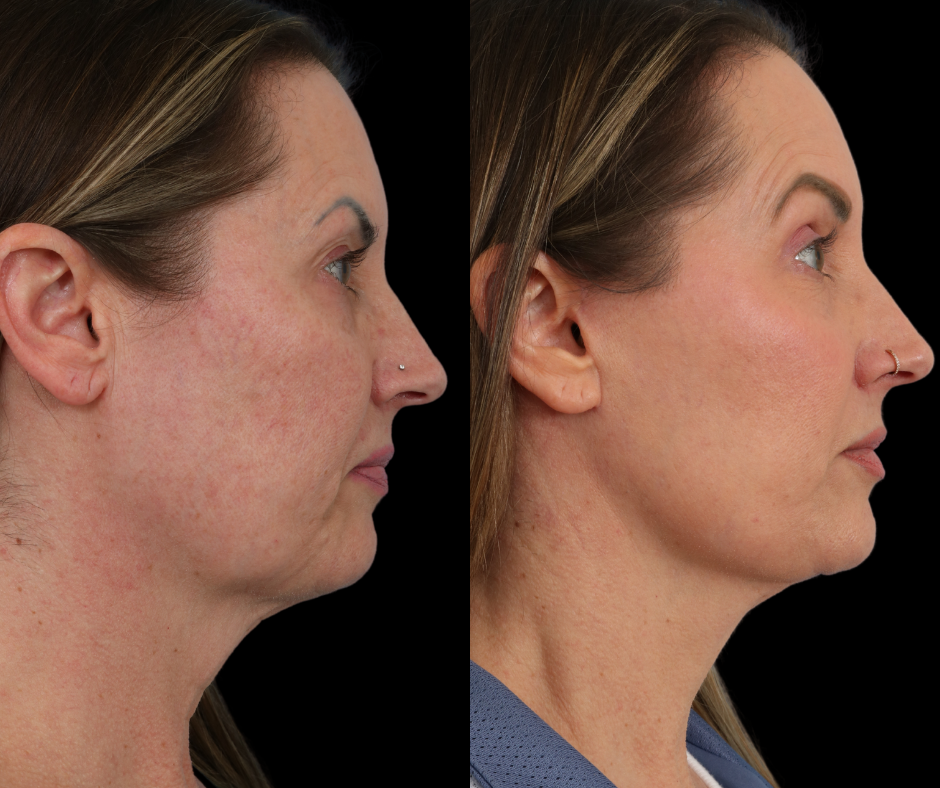
Ask ten people what a facelift is, and you’ll probably get ten versions of the same vague answer: something about tightening skin. That’s not entirely wrong, but it also misses most of what’s changed in facial plastic surgery over the last couple of decades. Not all facelifts work the same way, and the difference between a traditional lift and a deep plane facelift isn’t cosmetic marketing; it’s a genuinely different surgical approach, with different results to match.
If you’re trying to decide between the two, or you’re just tired of surgeons throwing around terms without explaining them, this is the breakdown that actually matters.
The Core Difference: Depth, Not Just Technique
A traditional facelift, sometimes called an SMAS facelift, works primarily on two layers: the skin itself and the superficial musculoaponeurotic system just beneath it. The surgeon lifts and tightens these layers, trims excess skin, and closes the incisions. It’s effective, and it’s been a standard approach for decades. But it stops short of touching the deeper ligaments and fat pads that anchor facial structure, which is exactly where a lot of visible aging actually originates.
A deep-plane facelift goes past that layer entirely. The surgeon elevates skin, muscle, fat, and connective tissue as a single composite unit, then releases the deeper ligaments that have been pulling facial tissue downward for years. Instead of tightening skin over an unchanged foundation, the whole structural layer gets repositioned. Think of it as the difference between ironing a wrinkled shirt and actually re-tailoring it to fit properly.
Where Each Technique Shows Its Strengths
Neither approach is universally better; they’re suited to different concerns, which is part of why so many practices still offer both.
Traditional Facelift
This technique tends to shine for patients whose main concerns sit in the lower face and neck: jowls, loose skin along the jawline, and sagging that hasn’t yet involved deeper structural descent. It’s a well-established procedure with a long track record, generally a somewhat shorter operative time, and a recovery curve most surgeons can predict fairly precisely.
Deep Plane Facelift
This is where midface concerns really come into play: flattened or hollow cheeks, deeper nasolabial folds, and a jawline and neck that have both lost definition simultaneously. Because the lift happens at a structural level rather than the surface, results tend to look less done and more like the person simply aged more slowly than everyone around them. Longevity is typically longer too; deep plane results commonly hold up for a decade or more compared to a shorter window for more surface-focused approaches.
Recovery: Similar Timeline, Different Healing Process
On paper, recovery from both procedures looks fairly similar, swelling and bruising in the first week or so, a return to normal social activities within roughly two weeks, and final results continuing to refine over the following months. Where they actually differ is beneath the surface.
Because a deep plane lift repositions ligaments and deeper tissue rather than just tightening skin, the healing process involves more structural settling. Patients sometimes notice their results continuing to mature for longer, as the deeper layers finish adapting to their new position. It’s a slower reveal in some ways, but it’s also part of why the eventual result tends to look less artificial; the tissue is genuinely reorganized, not just pulled taut.
The Natural-Look Question
This is probably the single biggest reason deep plane facelifts have grown in popularity, and it’s worth addressing directly, because it’s also the most common fear people have about facelift surgery in general: looking done.
A traditional facelift, particularly if the skin is pulled tighter than the underlying tissue can comfortably support, can occasionally produce that overly smooth, wind-swept look, cheeks pulled sideways, expression slightly restricted. It’s not inevitable, and skilled surgeons avoid it consistently, but the risk is structurally built into a technique that relies more heavily on skin tension.
A deep-plane approach sidesteps a lot of that risk simply by design. Because the composite tissue layer is repositioned rather than just tightened, the skin can be closed with far less tension. The facial expression stays intact. Patients tend to look like a well-rested version of themselves rather than a visibly altered one, which, for most people considering surgery, is exactly the point.
Cost and Complexity: What to Actually Expect
Deep plane facelifts are technically more demanding. They involve working closer to facial nerves and require more precise anatomical knowledge, which generally means longer operative times and, often, a higher cost than a traditional lift. That’s not a reason to avoid the procedure, it’s simply the tradeoff for a more comprehensive, longeprocedure;result.
It does mean surgeon selection matters even more than usual. A traditional facelift, while still requiring real skill, has a somewhat larger margin for variation between surgeons. A deep plane technique is far less forgiving of inexperience, so the specific surgeon’s volume of deep plane cases, not just facelifts broadly, is worth asking about directly.
How Each Technique Ages Over Time
This part rarely gets discussed, and it probably should be, because a facelift isn’t a static result frozen in time; your face keeps aging afterward, just from a different starting point. With a traditional facelift, since the underlying structural support wasn’t repositioned, gravity and tissue laxity tend to reassert themselves on a somewhat faster timeline. Skin can restretch over unchanged deeper layers, which is part of why touch-ups or revisions come up more frequently with this approach.
A deep-plane facelift ages differently, largely because the ligaments and deeper support structures were actually repositioned rather than the skin alone. The foundation itself has changed, so subsequent aging tends to layer on top of a more stable structure. This doesn’t mean a deep plane result is permanent; nothing surgical is, but it’s a meaningful part of why surgeons commonly describe results lasting a decade or more, sometimes longer, compared to a shorter effective window for surface-focused techniques.
Common Misconceptions Worth Clearing Up
A few myths tend to follow both procedures around, and they’re worth addressing directly before you sit down for a consultation.
- A deep plane is just a more extreme version of a traditional face-lift. Not quite. It’s a different surgical plane entirely, not simply a deeper cut of the same technique. The goals, risks, and recovery pattern all differ meaningfully.
- A traditional facelift always looks less natural. Not necessarily true, a skilled surgeon can produce excellent, natural-looking results with either technique. The risk of an overly tight appearance is higher with surface-only tightening, but it’s not automatic.
- Recovery is dramatically longer for a deep-plane facelift. The visible recovery timeline, swelling, bruising, and return to normal activity are fairly similar between the two. What differs is the pace of final structural settling, which happens more gradually with deep-plane surgery.
- Younger patients should automatically choose the less invasive option. Age matters less than the actual pattern of aging. Some patients in their 40s already show midface descent that responds better to a deep-plane approach than a traditional lift would.
So Which One Is Actually Right for You?
If your concerns are limited to the lower face and neck, and you’re looking for a well-established procedure with a predictable outcome, a traditional facelift may cover everything you’re hoping to address, often with a somewhat shorter recovery and lower cost.
If your aging pattern involves the midface, hollow or sagging cheeks, deeper folds, or a combination of jawline and neck concerns, a deep plane approach tends to deliver more complete, longer-lasting results and does so while preserving natural movement and expression.
Patients comparing their options for a deep plane facelift in Dallas generally get the clearest answer from an in-person evaluation, since photos and generic comparisons only go so far; actual skin quality, bone structure, and the specific pattern of aging all shift the calculation in ways a checklist can’t fully capture.
The Real Takeaway
Neither technique is objectively superior, they’re built for different problems, and a good surgeon should be recommending one over the other based on your anatomy, not a one-size-fits-all sales pitch. What’s changed over the last several years is simply that patients now have a genuinely different option available when surface-level tightening isn’t enough to address what’s actually happening beneath the skin.
If you’re on the fence, the honest answer is that a consultation will tell you more in twenty minutes than another week of research will. Bring your specific concerns, ask pointed questions about the surgeon’s experience with each technique, and let an actual evaluation of your face, not a generic comparison chart, settle the decision.