
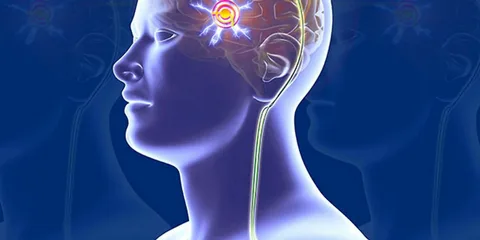
For over two decades, Deep Brain Stimulation (DBS) has served as a technological triumph in clinical neurology. By delivering targeted, high-frequency electrical pulses to hyperactive structures deep within the basal ganglia, DBS has successfully restored motor control, halted tremors, and transformed the lives of hundreds of thousands of individuals suffering from Parkinson’s disease and essential tremors.
However, neurosurgery is undergoing an extraordinary expansion into neuropsychiatry. Clinicians are no longer viewing DBS purely as a tool for motor correction. Instead, an advanced DBS neurosurgeon can use this implantable “brain pacemaker” technology to target the neural circuits responsible for severe, treatment-resistant depression (TRD). By delivering chronic electrical stimulation to a specific hyperactive node in the emotional processing loop of the brain, neurosurgery is uncovering a powerful tool to reset the psychiatric pathways of patients who have exhausted all standard pharmaceutical and behavioral therapies.
The Neuroanatomy of Melancholia: Area 25
To understand how electrical current can alleviate profound depression, we must move away from the traditional, outdated theory that depression is simply a “chemical imbalance” of serotonin or dopamine. Within a cutting-edge Multispeciality Hospital environment, modern neuropsychiatry and neurosurgery departments view major depressive disorder as a structural, network-based disease—a traffic jam in the complex electrical communication highways of the brain.
At the epicenter of this traffic jam sits the subcallosal cingulate white matter, also known as Brodmann Area 25 (SCC/BA25).
In neuroimaging studies using functional MRIs and Positron Emission Tomography (PET) scans, Area 25 acts as a highly sensitive emotional gatekeeper. In individuals experiencing a normal sad memory, Area 25 lighting up is temporary. However, in individuals suffering from severe, chronic treatment-resistant depression, Area 25 becomes pathologically locked in a hyperactive, overloaded state. This persistent metabolic overload acts as an emotional chokehold, depressing downstream regions responsible for motivation, sleep, libido, and executive cognitive function.
Disrupting the Loop: How DBS Resets Psychiatric Circuitry
The surgical application of Deep Brain Stimulation for depression treats Area 25 much like a cardiac surgeon treats an arrhythmia in the heart.
During the stereotactic neurosurgical procedure, a specialized frame or robotic system guides two ultra-fine, insulated wires (leads) containing micro-electrodes through tiny drill holes in the skull. Using precise structural tractography, a type of MRI modeling that maps out the patient’s individual white matter fibers, the neurosurgeon places the contact points directly into the subcallosal cingulate white matter.
These leads are connected to an implantable pulse generator (IPG) placed beneath the skin of the chest, mimicking a pacemaker. Once activated, the device delivers a continuous, high-frequency electrical current (130 Hz to 180 Hz). This current does not “zap” the brain into happiness; rather, it acts as a local inhibitor. It disrupts and dampens the pathological hyperactivity of Area 25, lifting the structural blockage and allowing the surrounding mood-regulating neural networks to self-calibrate and function normally once again.
Evidence from the Frontier: What Clinical Trials Show
The clinical trajectory of DBS for depression represents a masterclass in precision medicine. Early clinical trials faced mixed results due to slight variations in anatomical placement. However, current longitudinal clinical trials utilizing advanced holistic connectomic targeting, customizing the lead placement to match the intersection of four specific white matter pathways unique to each patient, have yielded unprecedented success.
Recent multi-center registry data tracking TRD patients over 2 to 10 years show remarkable long-term efficacy:
| Clinical Metric | Statistical Outcome | Real-World Impact |
| Response Rate | 60% – 80% | Patients experience a >= 50 reduction in standardized depression scores (e.g., MADRS scale). |
| Remission Rate | 30% – 50% | A substantial portion of patients achieve full clinical remission, returning to baseline function. |
| Long-Term Stability | Up to 10+ Years | Unlike ECT or medications, which can fade in efficacy, the antidepressant response of DBS remains stable over years. |
Furthermore, safety data from these trials demonstrate that because the stimulation is focal and locked into a non-cognitive emotional node, patients do not suffer the memory loss or cognitive flattening side effects often associated with repetitive Electroconvulsive Therapy (ECT).
The Road Ahead: Towards Closed-Loop Precision
As neurosurgery advances, the future of psychiatric DBS lies in the development of “closed-loop” responsive neurostimulation. Current devices are open-loop, meaning they deliver a steady, continuous stream of electricity regardless of the patient’s immediate mental state.
Next-generation systems are being built to “sense” the brain’s internal electrical patterns. These smart devices monitor Area 25 for specific biomarkers or localized neural signatures that indicate an impending depressive crash. The moment the device detects this pathological dip, it deploys a brief, tailored burst of electricity to correct the circuit in real-time, preventing the depressive episode entirely.
By moving beyond the boundaries of movement disorders and stepping confidently into the landscape of human emotion, Deep Brain Stimulation is proving that the most severe psychiatric conditions can be treated with structural precision. For those trapped in the absolute darkness of treatment-resistant depression, this convergence of advanced neurosurgery and engineering is offering something that pharmaceuticals no longer can: a genuine, lasting path back to light.