
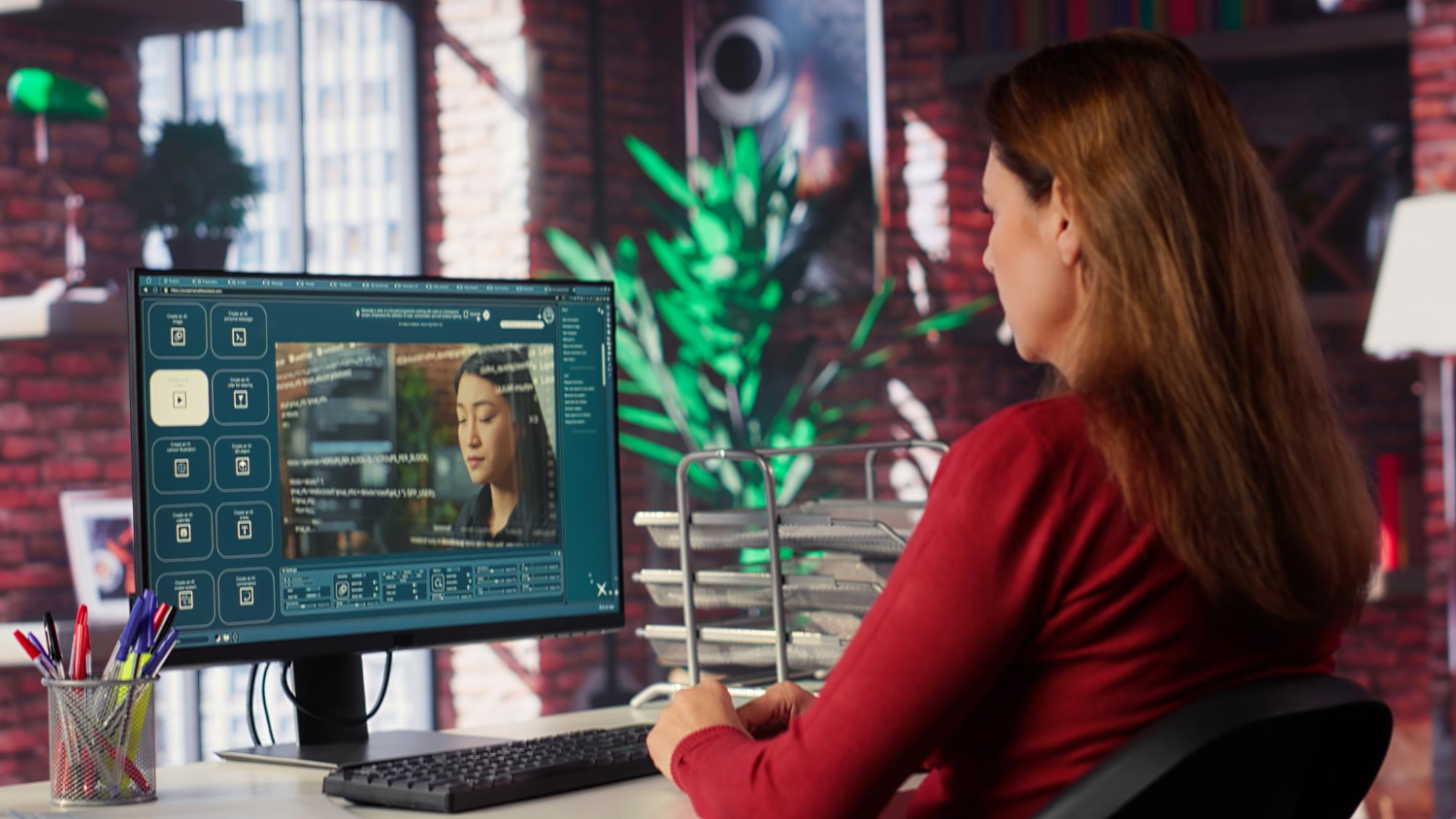
The film industry is experiencing one of the biggest technological shifts since the arrival of digital cameras and computer-generated imagery. Artificial intelligence is now becoming a powerful creative partner for filmmakers, content creators, marketers, and independent studios. From scriptwriting and voice generation to visual effects and video editing, AI is transforming how movies are planned, produced, and distributed.
What once required massive budgets, large production teams, and expensive studio equipment can now be accomplished with AI-powered tools accessible to almost anyone. Independent creators are using artificial intelligence to produce cinematic trailers, animated films, short documentaries, and even feature-length productions. As AI technology continues to improve, the future of filmmaking is becoming faster, more affordable, and more creative than ever before.
The Rise of AI in Filmmaking
Artificial intelligence has gradually entered the entertainment industry over the last decade. Initially, AI was used mostly for recommendation systems on streaming platforms, audience analytics, and automation tasks. Today, AI is involved directly in the creative process itself.
Modern AI systems can generate realistic video footage, create visual effects, improve audio quality, write dialogue, animate characters, and even assist directors during pre-production. This evolution is opening doors for creators who previously lacked access to professional film equipment or large production budgets.
AI filmmaking is not about replacing human creativity. Instead, it acts as a creative assistant that speeds up workflows and expands what creators can achieve. Directors, writers, editors, and producers can now focus more on storytelling while AI handles many of the repetitive and technical tasks.
AI Scriptwriting and Story Development
One of the earliest stages of movie creation is writing the script. AI tools are now helping filmmakers brainstorm ideas, generate story structures, improve dialogue, and overcome writer’s block.
Writers can input a basic concept into an AI writing platform and receive scene ideas, plot outlines, character descriptions, and dialogue suggestions. These tools can also analyze pacing, emotional tone, and narrative consistency. For independent filmmakers working alone or in small teams, this dramatically reduces development time.
AI can also help adapt stories into different formats. For example, a short story can be transformed into a screenplay structure with scene breakdowns and visual descriptions. Some creators use AI to explore multiple endings or experiment with different genres before finalizing their scripts.
Although human writers still provide emotional depth and originality, AI serves as a valuable brainstorming partner that accelerates the creative process.
AI Video Generation
One of the most exciting developments in filmmaking is AI movies generation. Advanced AI models can now create cinematic scenes from simple text prompts or images. A filmmaker can describe a scene such as “a futuristic city during a thunderstorm at night” and generate realistic visuals within minutes.
This technology is rapidly changing pre-production and concept visualization. Directors no longer need expensive storyboard artists or concept designers for early planning stages. AI-generated footage helps creators visualize scenes, camera angles, lighting, and environments before filming begins.
Independent filmmakers are also using AI video generators to create entire short films. Some tools allow creators to generate animated characters, cinematic transitions, realistic environments, and visual effects without traditional production equipment.
While AI-generated video still has limitations, the quality continues to improve rapidly. Many industry experts believe AI-assisted filmmaking will soon become a standard part of movie production workflows.
AI Voiceovers and Audio Production
Audio is one of the most important elements in filmmaking, and AI is revolutionizing this area as well. AI voice generation tools can produce realistic narration, character voices, and multilingual dubbing in a fraction of the time required by traditional recording methods.
Filmmakers can create temporary dialogue tracks during editing or generate full voice performances for animated projects. AI can also clone voices for localization, allowing movies to reach international audiences more efficiently.
Music production is another area experiencing major innovation. AI music generators can create cinematic soundtracks, emotional background scores, suspenseful themes, and orchestral arrangements tailored to specific scenes.
Sound design is also becoming easier with AI. Background noise removal, automatic audio enhancement, and AI-assisted mixing help creators produce professional-quality sound without expensive studio setups.
AI in Editing and Post-Production
Film editing is traditionally one of the most time-consuming parts of filmmaking. AI is now streamlining post-production workflows by automating many repetitive tasks.
AI editing software can automatically organize footage, detect key moments, generate rough cuts, and suggest scene transitions. Editors can save hours sorting through video clips manually.
Color correction and visual enhancement are also benefiting from artificial intelligence. AI tools can stabilize shaky footage, upscale low-resolution video, improve lighting, and remove unwanted objects from scenes.
Visual effects that once required entire teams can now be created with AI-assisted software. Background replacement, facial enhancements, motion tracking, and CGI integration are becoming more accessible to smaller creators.
For independent filmmakers with limited budgets, these tools dramatically lower production costs while improving overall quality.
AI and Animation
Animation has always required extensive labor and technical expertise. AI is helping simplify many aspects of the animation process.
Creators can now generate animated characters, lip-sync dialogue automatically, and create realistic movement using AI motion tools. AI-assisted animation platforms reduce the need for frame-by-frame manual work, allowing small teams to produce animated content much faster.
This technology is especially useful for YouTube creators, social media marketers, educational content producers, and indie studios. AI enables the rapid production of animated shorts, explainer videos, and cinematic scenes without large animation departments.
As AI animation tools continue improving, more creators will be able to enter the animation industry without needing years of technical training.
Lowering the Barrier to Entry
Perhaps the most important impact of AI filmmaking is accessibility. Traditional movie production often requires expensive cameras, lighting setups, actors, studios, editing software, and large crews. AI is helping reduce many of these barriers.
A solo creator with a laptop can now write scripts, generate visuals, create voiceovers, edit footage, and produce cinematic content using AI-powered platforms. This democratization of filmmaking allows more voices and stories to enter the industry.
Small businesses, educators, influencers, and entrepreneurs are also using AI video tools to create marketing campaigns, documentaries, branded content, and promotional videos at a fraction of traditional production costs.
The rise of AI filmmaking is creating opportunities for creators worldwide who previously lacked access to professional resources.
Ethical Concerns and Challenges
Despite its advantages, AI filmmaking also raises important ethical questions. Deepfake technology, voice cloning, copyright concerns, and the replacement of creative jobs remain major topics of discussion.
Some critics worry that AI-generated content could reduce opportunities for actors, editors, writers, and visual artists. Others are concerned about misinformation and fake videos becoming increasingly realistic.
Copyright issues are another challenge. Questions surrounding ownership of AI-generated scripts, visuals, and music are still being debated within the legal system.
Many filmmakers believe the best approach is collaboration between humans and AI rather than complete automation. Human creativity, emotional storytelling, and artistic direction remain essential components of successful filmmaking.
The industry will likely continue developing guidelines and regulations to ensure responsible use of AI technologies.
The Future of AI Movies
The future of filmmaking will likely involve a hybrid model where AI assists creators throughout the production pipeline. Large studios are already experimenting with AI-powered visual effects, script analysis, and audience prediction tools. Independent creators are using AI to compete with productions that once required millions of dollars.
As technology improves, AI-generated characters, environments, and cinematic storytelling will become even more realistic. Real-time AI editing, personalized movie experiences, and fully AI-assisted productions may soon become common.
Virtual production environments combined with AI could allow filmmakers to create entire worlds digitally without physical sets. Interactive storytelling powered by artificial intelligence may also redefine how audiences experience entertainment.
However, storytelling itself will always remain deeply human. AI can generate visuals, automate tasks, and enhance creativity, but emotional connection and artistic vision still come from people.
Conclusion
Artificial intelligence is rapidly transforming the movie industry by making filmmaking faster, more affordable, and more accessible. From scriptwriting and video generation to editing, sound design, and animation, AI tools are empowering creators at every stage of production.
Independent filmmakers now have opportunities that once belonged only to major studios. Small teams can produce cinematic content with fewer resources, while experienced professionals can use AI to streamline workflows and expand creative possibilities.
Although challenges involving ethics, copyright, and job disruption remain, AI is clearly becoming a permanent part of modern filmmaking. The creators who learn how to combine human storytelling with artificial intelligence will likely shape the future of entertainment for years to come.