
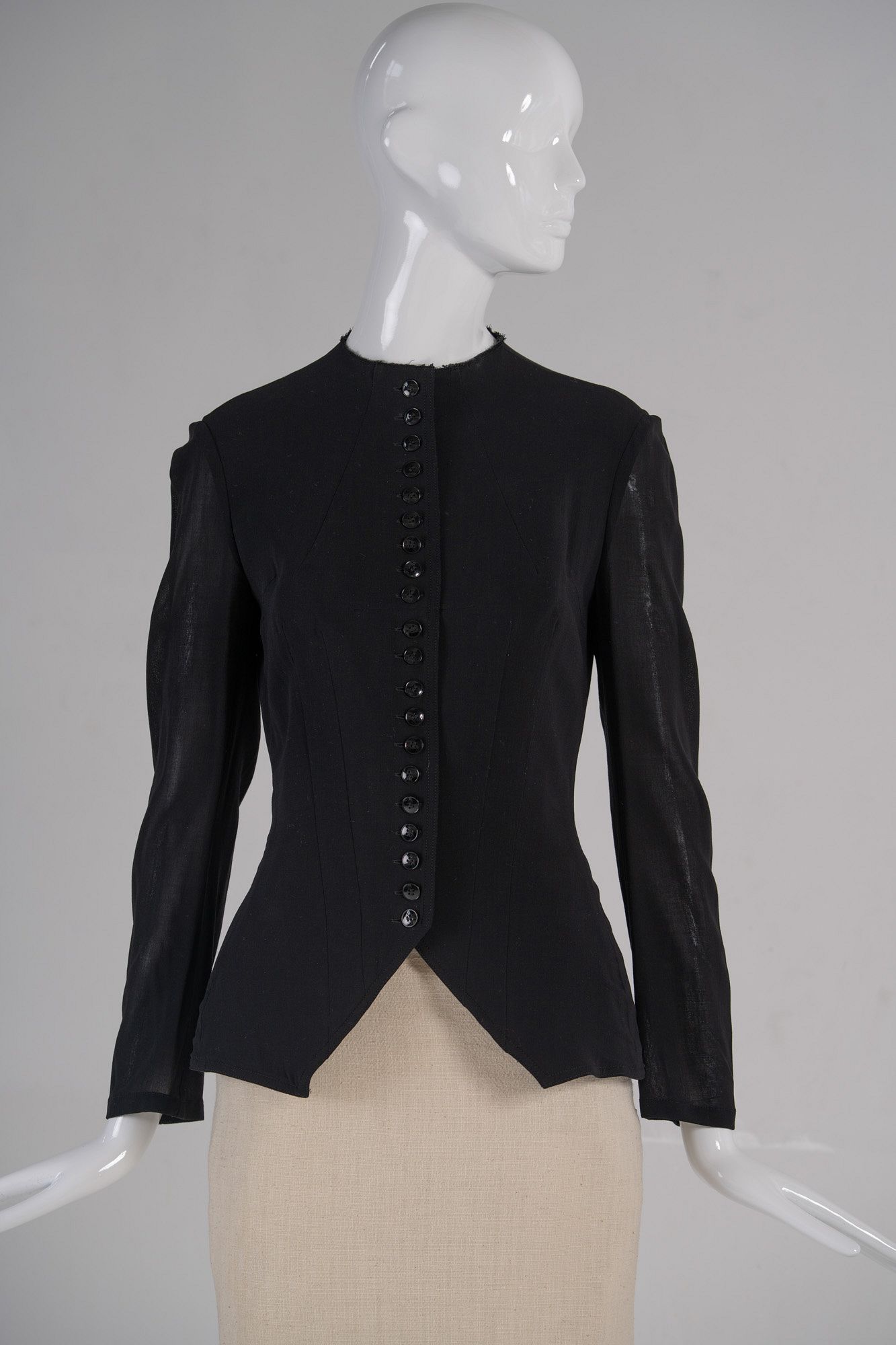
We have all been there. You stand in front of your wardrobe, staring at a beautiful designer coat or a pair of iconic heels that you haven’t touched in two seasons. They are masterpieces of craftsmanship, yet they no longer fit the rhythm of your daily life. In the past, parting with these items felt like a chore, but in 2026, the secondary market has turned the closet clean out into a sophisticated financial strategy. Consigning your luxury fashion is no longer just about decluttering; it is about acting as a temporary custodian for beautiful things and ensuring they find their next chapter.
The beauty of consignment lies in the partnership. Unlike selling a used car or a piece of old tech, luxury fashion is emotional and aesthetic. It requires a specific kind of presentation and a deep understanding of heritage. When you choose to consign, you are moving away from the quick flip mentality and toward a model that respects the original value of the garment. It is a slower, more intentional process that prioritizes the integrity of the brand and the condition of the piece.
The Power of Curation and Trust
One of the biggest hurdles in the luxury world is the question of authenticity. In an era where high quality replicas are everywhere, a private seller often struggles to prove that their item is the real deal. This is where the consignment model shines. By placing your items in a professional environment, you are instantly inheriting the trust that the platform has built with its global audience.
Consignment directors and specialists do not just look at a bag; they study its DNA. They verify the date codes, the weight of the hardware, and the specific tension of the stitching. This rigorous process protects the buyer, but it also protects you as a seller. It ensures that your item is priced correctly based on real time market data rather than a guess. A well vetted item can often command a much higher price because the buyer feels secure in their investment. They know that if they are buying from a reputable house, the item has been through a forensic level of inspection.
Maximizing Your Return Without the Hassle
Let us be honest: selling high end fashion yourself is a full time job. Between taking professional grade photos, answering endless questions about measurements, and dealing with lowball offers, the process can quickly become exhausting. Consignment removes all that friction. You drop off your items, and the experts take over the heavy lifting.
They handle the creative direction of the photoshoot, the search engine optimized descriptions, and the targeted marketing that puts your item in front of the right collectors. This professional touch is vital for Quiet Luxury pieces or archival vintage where the value is in the subtle details. When you consign luxury fashion with experts, you are essentially hiring a team of stylists and brokers to work on your behalf. They know which seasons are trending and which hidden gem designers are currently seeing a spike in demand, allowing you to capture the retail premium instead of settling for a low profile buyout. This means you can spend your time discovering your next favorite piece instead of haggling over shipping costs with strangers on the internet.
The Sustainability Factor: A Circular Future
Beyond the financial benefits, there is a profound environmental reason to consign. The fashion industry is one of the largest contributors to global waste, but luxury items are different. They are built to last decades, not months. By consigning, you are directly participating in the circular economy. You are giving a second life to a high quality piece of art and reducing the demand for new, resource intensive production.
In 2026, vintage is not just a style; it is a badge of honor. Many of the most stylish people in the world now prefer a well maintained piece from a 1990s collection over something brand new from a boutique. Consigning allows these pieces to stay in circulation, moving from one appreciative wardrobe to another. It is a more thoughtful, more intentional way to enjoy fashion that aligns your personal style with your values. It feels good to know that a dress that saw you through a major life event will go on to do the same for someone else.
Timing Your Edit for Success
Success in consignment often comes down to timing. While classic items like a black Chanel flap or a Burberry trench are always in demand, other pieces follow the rhythm of the fashion calendar. A smart consignor looks ahead. They bring in their heavy wools and shearling in late summer so they are ready for the autumn rush, and they list their vibrant silks and linens just as the first signs of spring appear.
It is also worth keeping an eye on cultural moments. If a specific designer is the subject of a museum retrospective or a celebrity is spotted wearing an archival piece from a certain era, the value of similar items can skyrocket overnight. A good consignment partner will alert you to these shifts, helping you decide exactly when to move a piece from your personal archive to the sales floor. This strategic approach ensures that you are not just selling, but selling at the peak of an item’s desirability.
Conclusion: A Smarter Way to Wardrobe
The goal of a modern wardrobe should not be to own as much as possible, but to own the right things at the right time. Consigning allows your closet to be a living, breathing entity. It gives you the freedom to evolve your style without feeling guilty about the past. By letting go of the pieces that no longer serve you, you make space for new inspirations and new memories.
By turning your pre loved luxury into liquid assets, you can reinvest in pieces that reflect who you are today. It is a sophisticated, sustainable, and highly rewarding way to engage with the world of high fashion. When the process is handled with care and expertise, everybody wins: you, the next owner, and the industry as a whole. Your wardrobe becomes a curated collection of your life, always evolving and always exceptional.
FAQ’s: Everything You Need to Know About Consigning
- How long does it usually take for a consigned item to sell?
Most high demand items like handbags and signature accessories sell within 30 to 60 days. However, the timeline can vary based on the rarity of the piece and the season. If an item is very niche or avant garde, it may stay on the floor for a full 90 day cycle until the right collector discovers it. Professional platforms will often offer a tiered pricing strategy to ensure your item moves within a reasonable timeframe. - What percentage of the final sale price will I actually keep?
The industry standard for commission splits in 2026 usually ranges from 50% to 70% in favor of the seller. Higher priced items like Birkin bags or rare watches often qualify for a lower commission rate, sometimes as low as 15% to 25%, allowing you to keep a much larger portion of the final hammer price. Always ask for a clear commission schedule before you hand over your items. - Do I need to have my clothes professionally cleaned before I bring them in?
While you do not necessarily need a specialist couture cleaner for every item, your pieces should be in excellent, ready to wear condition. Removing minor lint, ensuring there are no odors, and including original accessories like dust bags or spare buttons will significantly increase your chances of a fast sale at a premium price. If an item requires major repair or specialized cleaning, some consignment houses can arrange this for you and deduct the cost from your final payout.