
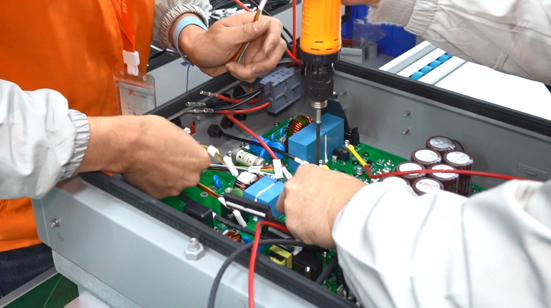
Solar inverters are the backbone of any solar energy system, converting the direct current (DC) produced by solar panels into alternating current (AC), which powers your home or business. However, as with any piece of technology, inverters may experience occasional issues that can hinder performance. Identifying common problems early on and knowing how to address them can ensure that your solar system operates efficiently. This article will highlight some common inverter problems and practical solutions for fixing them.
1. Inverter Not Turning On
One of the most common problems faced by solar inverter users is when the inverter fails to turn on. This can be frustrating, as it stops your solar energy system from functioning.
- Check the Power Source: Ensure the inverter is receiving sufficient DC power from the solar panels. Sometimes, the problem could lie with the solar panels themselves, such as dirty panels or shading, which may prevent them from generating enough energy.
- Inspect Circuit Breakers: Inverters often have built-in circuit breakers that can trip. Check the breaker panel to see if it’s in the “off” position, and reset it if necessary.
- Review Error Codes: Many modern inverters display error codes on their screens. These codes can help identify the issue, whether it’s a faulty connection or a malfunctioning component. Consult your inverter manual or the solar inverter manufacturer’s website for troubleshooting steps.
2. Overheating Issues
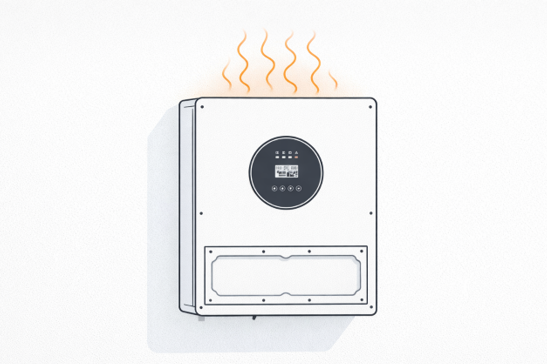
Overheating is another common issue that can cause your inverter to shut down automatically. This is usually a result of poor ventilation or dust buildup.
- Improve Ventilation: Ensure that your inverter is placed in a well-ventilated area, away from direct sunlight and heat sources. A shaded area with free airflow will help prevent overheating.
- Clean the Inverter: Dust accumulation can block the vents, causing the inverter to overheat. Regular cleaning with a soft cloth or vacuum cleaner can help maintain proper airflow.
- Monitor the Temperature: Inverters work best within a certain temperature range. If your inverter is located in a high-temperature environment, consider using additional cooling methods, such as installing fans.
3. Low Energy Output
If your inverter is producing less power than expected, it could be due to a number of factors that affect system performance.
- Inspect Solar Panels: Check your panels for dirt, debris, or any obstructions that may be blocking sunlight. Clean the panels regularly and ensure they are positioned for maximum sun exposure.
- Check Inverter Settings: Some inverters have adjustable settings. Ensure that the efficiency settings are set correctly to avoid underperformance.
- Check for Faults: A drop in power output can also be a sign of internal faults in the inverter. If basic troubleshooting doesn’t work, contacting a technician might be necessary.
4. Display or Screen Issues
If the inverter’s display stops working or shows incorrect information, it can be difficult to monitor the system’s performance.
- Power Supply Check: Ensure the inverter is properly powered on. If the power supply is intact and the display isn’t working, try resetting the system or checking the settings.
- Faulty Control Board: If the display issue persists, there could be a malfunction within the control board. In this case, it’s advisable to contact a professional for repairs or replacement.
Conclusion
Solar inverters are crucial for the efficient operation of solar systems.Common problems like failure to turn on, overheating, low output, and display issues can disrupt your system’s efficiency. Regular maintenance, including cleaning and checking settings, can help prevent these issues. If you encounter persistent problems, consulting a solar inverter manufacturer or a technician is the best way to ensure that your inverter functions optimally and continues to support your solar energy needs