
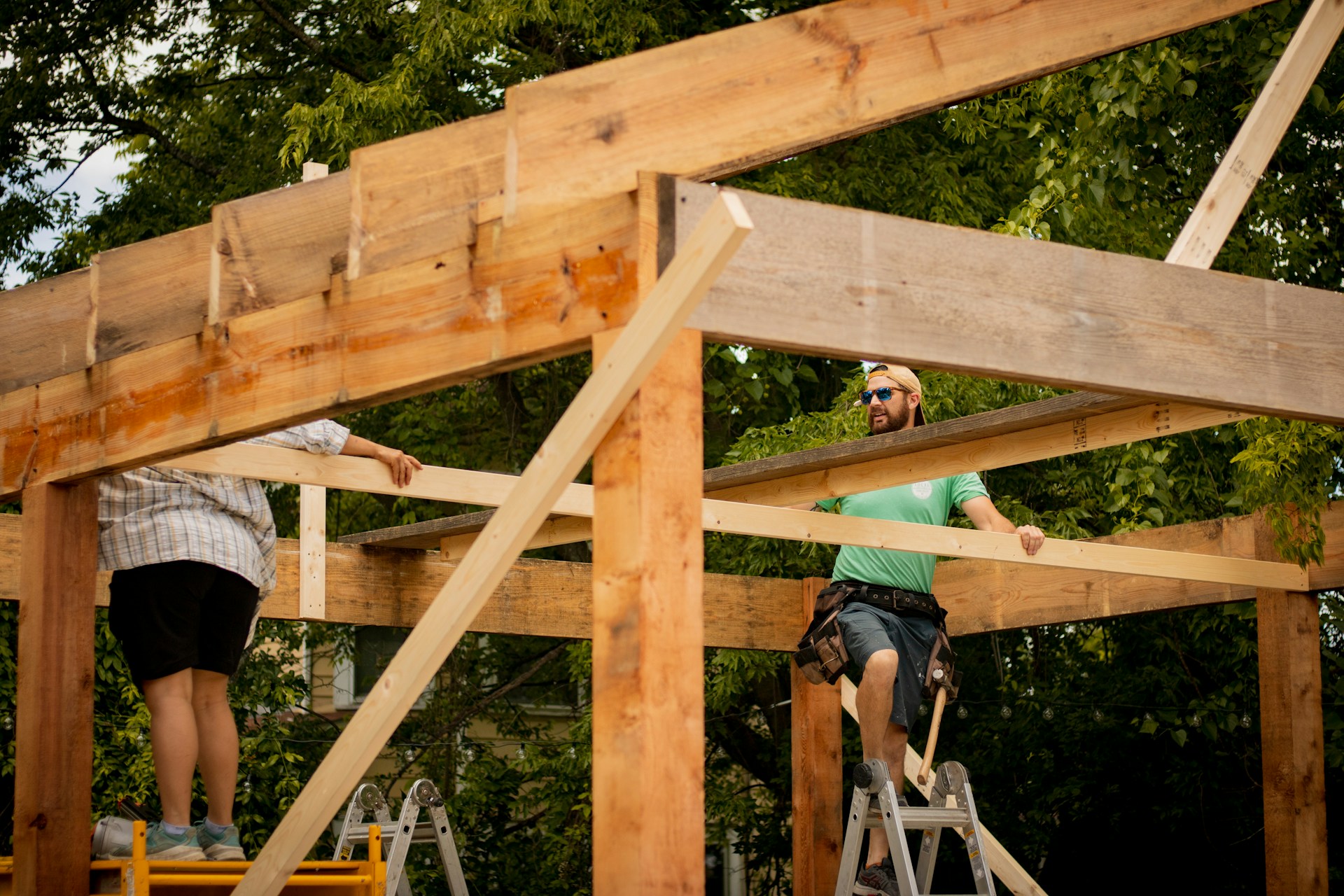
Wood lumber framing is the backbone of most residential and commercial construction in the United States. It shapes the structure, sets the timeline, and largely determines the final cost of a project. But for framing contractor, getting a lumber framing job done smoothly is rarely straightforward. From fluctuating material prices to on-site coordination headaches, the challenges can pile up fast — and any one of them can throw a project off schedule or over budget.
1. Unpredictable Lumber Prices
One of the biggest challenges framing contractors face today is the instability of lumber prices. The U.S. lumber market has seen wild swings in recent years, with prices sometimes doubling or dropping sharply within months. This makes it extremely difficult to give clients a firm bid without risking a financial loss later.
When a contractor locks in a contract price and lumber costs spike before purchase, the difference often comes out of their own pocket. This is why accurate quantity estimation matters so much before a project begins. Many contractors now rely on professional lumber takeoff services to get precise material counts early in the bidding process, so they can factor in price buffers and avoid costly surprises.
2. Inaccurate Material Estimates
Ordering too much lumber wastes money. Ordering too little causes delays. Getting the quantities right — down to the stud, joist, and header — requires careful reading of architectural plans and a solid understanding of framing methods.
Many framing contractors, especially smaller firms, don’t have a dedicated estimator on staff. They either guess based on experience or spend hours manually counting materials from blueprints. Both approaches carry risk. Errors in takeoffs can lead to mid-project shortages that halt work while waiting for deliveries, or leftover material that eats into margins.
This is a challenge that is particularly common in fast-growing construction markets. In California, for example, where new housing developments and commercial builds are constantly underway, contractors often turn to lumber take off providers to handle the estimation work professionally, so they can focus on what they do best — framing.
3. Labor Shortages and Skilled Workforce Issues
Finding experienced framers is harder than ever across the United States. The construction industry has been dealing with a skilled labor shortage for years, and framing crews are no exception. Many experienced workers have aged out of the trade, and fewer young workers are entering it.
This means framing contractors often have to work with smaller crews, hire less experienced workers, or stretch their best people across multiple jobs. The result can be slower work, more mistakes, and higher supervision demands on the contractor themselves.
4. Weather and Site Conditions
Wood and weather don’t always get along. Rain, high humidity, and freezing temperatures can all affect lumber quality and slow down framing work. Wet lumber can warp, swell, or become too slippery to work with safely. In colder states, frozen ground can delay foundation readiness, pushing back the entire framing schedule.
Contractors in regions with unpredictable weather must build contingency time into their schedules and store materials properly on site — adding cost and logistical complexity.
5. Plan Changes and Design Revisions
It’s not uncommon for architects or owners to make changes to a project mid-construction. A wall gets moved. A window gets added. A room changes size. Each revision can require reordering materials, reworking framing layouts, and adjusting labor schedules.
For the framing contractor, late design changes are frustrating and expensive. They disrupt the flow of work and can create tension between trades that follow — like plumbing, electrical, and HVAC — who are waiting on the framing to be finalized.
6. Coordination with Other Trades
Framing contractors don’t work in isolation. Their schedule is tied closely to what comes before them (foundation and concrete work) and what comes after them (mechanical, electrical, and plumbing rough-ins). If any trade runs behind, it can compress the framing window — or leave framers waiting with idle crews.
Poor coordination between the general contractor and subcontractors is one of the most common causes of project delays in U.S. construction. Framing crews that show up to a site that isn’t ready lose productive hours and income.
7. Code Compliance and Inspections
Building codes in the United States vary by state and even by county. Framing must meet specific requirements for structural integrity, fire blocking, seismic resistance, and more. California, Florida, and states in the Gulf Coast region have especially strict codes due to earthquakes and hurricanes.
Failing an inspection means rework, which costs both time and money. Staying current with local code changes is an ongoing responsibility that adds to the contractor’s workload.
Final Thoughts
Wood lumber framing is a skilled trade that carries a lot of responsibility. From managing material costs and labor shortages to navigating design changes and code requirements, framing contractors face a wide range of difficulties on every project.
The contractors who stay competitive are the ones who plan ahead, use professional tools and services to sharpen their estimates, and build strong relationships with reliable suppliers. Preparation before a project breaks ground is always easier — and cheaper — than solving problems once work has begun.