
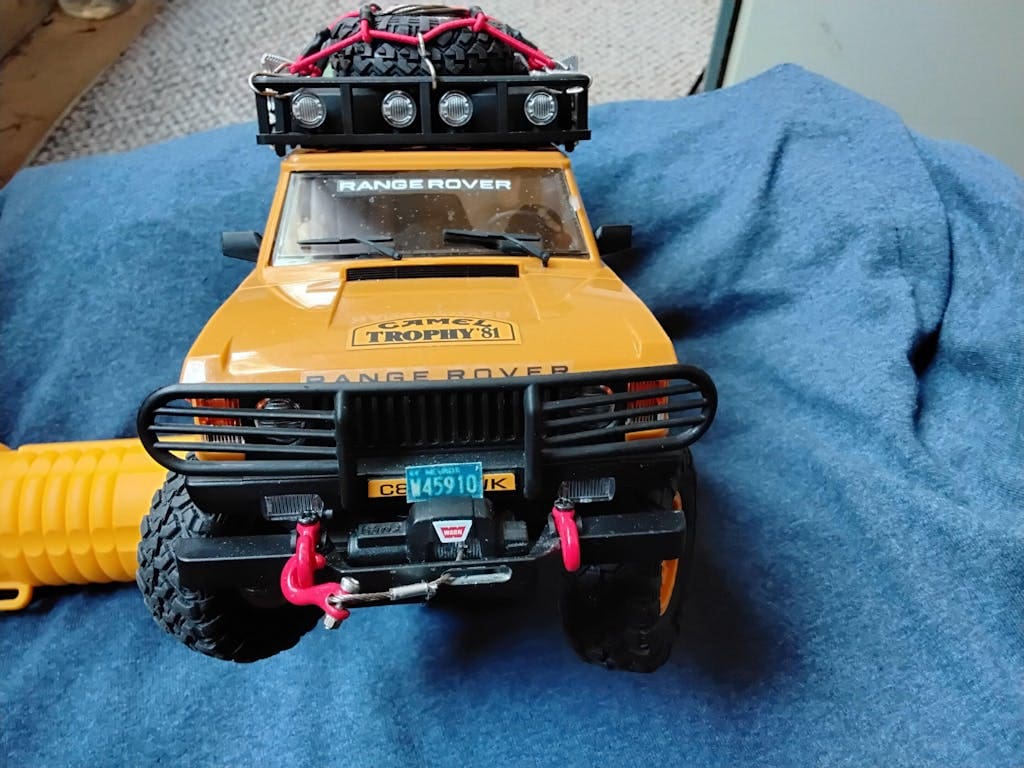
Remote control cars have evolved from simple toys into sophisticated machines that deliver thrilling experiences for hobbyists of all ages. Whether you’re racing on smooth tracks or conquering rugged terrain, the right accessories can transform your RC car from basic to extraordinary. The world of RC accessories is vast and sometimes overwhelming, with countless options promising to enhance speed, durability, and control.
Selecting appropriate accessories requires understanding your specific needs and how different components work together. From power systems and tires to protective gear and performance upgrades, each accessory serves a distinct purpose in optimizing your RC experience. This guide will walk you through the essential knowledge needed to make informed decisions about RC car accessories, helping you avoid costly mistakes while maximizing your enjoyment. By understanding the fundamentals of scale vehicles, recognizing quality components, and learning proper maintenance practices, you’ll be equipped to build and maintain an RC car that meets your expectations and withstands the challenges of your chosen terrain.
Introduction to RC Cars
The remote control car hobby attracts enthusiasts who crave excitement beyond ordinary entertainment. Many RC car owners gravitate toward models that can handle diverse environments, from backyard dirt patches to dedicated off-road courses. These vehicles offer the freedom to explore challenging terrain while developing driving skills and mechanical knowledge. Off-road RC cars particularly appeal to those seeking adventure, as they’re built to tackle obstacles like rocks, mud, and steep inclines that would stop traditional racing models. The durability and versatility of off-road vehicles make them ideal for beginners and experienced hobbyists alike, providing endless opportunities for exploration and customization that keep the hobby engaging year after year.
Understanding Scale Vehicles
Scale refers to the proportional size relationship between your RC car and the full-sized vehicle it represents. A 1/10 scale model means the RC car is one-tenth the size of its real-world counterpart, making it a popular choice for balanced performance and manageable size. Smaller scales like 1/18 work well for indoor driving and tight spaces, while larger 1/8 and 1/5 scales offer greater stability and presence but require more storage space and often cost more to maintain. Understanding scale matters when selecting accessories because components must match your vehicle’s dimensions—a 1/10 scale tire won’t fit a 1/8 chassis. Scale also affects performance characteristics, with larger models typically handling rough terrain better due to increased ground clearance and suspension travel, while smaller scales excel in agility and speed on smoother surfaces.

The Appeal of Monster Trucks
Monster trucks represent the pinnacle of RC entertainment, combining raw power with dramatic visual impact that captivates drivers and spectators alike. These oversized machines feature massive tires and high ground clearance that allow them to crush obstacles, perform impressive jumps, and drive over other vehicles with ease. The sheer spectacle of watching a monster truck soar through the air or plow through rough terrain creates an adrenaline rush that few other RC vehicles can match. Beyond entertainment value, monster trucks teach valuable lessons about suspension dynamics and weight distribution while being remarkably forgiving for new drivers due to their stability and durability, making them perfect for those who want excitement without constant repairs.
Choosing the Right RC Car
Selecting an RC car that matches your intended use prevents frustration and wasted investment. Off-road capability should be your primary consideration if you plan to drive on uneven surfaces, requiring features like waterproof electronics, robust suspension systems, and adequate ground clearance to navigate obstacles without damage. Durability becomes critical when driving aggressively or in harsh conditions—look for vehicles with metal components in high-stress areas like driveshafts and shock towers rather than plastic alternatives that crack under pressure. Compatibility with accessories deserves careful attention before purchasing, as some manufacturers use proprietary parts that limit your upgrade options and force you into expensive brand-specific components. Research whether your chosen model accepts standard battery connectors, universal motor mounts, and common wheel hexes to ensure you can find replacement parts easily and affordably as your needs evolve.
Essential Accessories for RC Cars
Every RC car requires fundamental accessories to function properly and deliver consistent performance. Batteries power your vehicle, with options ranging from convenient NiMH packs to high-performance lithium polymer cells that offer longer run times and more punch. A quality charger protects your investment by properly conditioning batteries and preventing overcharging that shortens their lifespan. Your controller serves as the direct link between you and your vehicle, and upgrading to a model with adjustable steering and throttle response can dramatically improve control precision. Tires represent perhaps the most impactful accessory choice, as tread patterns designed for specific surfaces—from paddle tires for sand to pin spikes for loose dirt—determine how effectively your car grips and maneuvers, making them worth changing based on where you drive.
Advanced Accessories for Enhanced Performance
Upgrading to advanced accessories unlocks performance levels that factory components simply cannot deliver. Brushless motors replace traditional brushed designs with more efficient technology that generates less heat while producing significantly more power, translating to faster acceleration and higher top speeds without draining batteries as quickly. Lithium polymer batteries offer superior energy density compared to nickel-based alternatives, providing longer run times in lighter packages that improve your vehicle’s power-to-weight ratio and handling characteristics. Custom wheels made from lightweight aluminum reduce unsprung weight, allowing your suspension to respond more quickly to terrain changes while adding visual appeal. Adjustable shock absorbers give you precise control over damping rates, letting you fine-tune how your vehicle absorbs impacts and maintains traction across different surfaces, which becomes especially valuable when transitioning between track conditions or driving styles during a single session.
Safety Tips for Using RC Cars
Operating RC cars responsibly protects both you and bystanders from potential hazards. Always wear safety glasses when driving, as dirt, debris, and small parts can become projectiles during crashes or high-speed runs. Keep fingers and loose clothing away from moving parts like spinning wheels and exposed gears that can catch and cause injury. Establish a safe driving area away from traffic, pedestrians, and animals, ensuring you have clear sightlines and adequate space for your vehicle’s speed capabilities. Check local regulations before driving in public spaces, as some parks and areas prohibit RC vehicles or restrict their use to specific hours. Never chase your RC car if it runs away—let it stop naturally rather than risking injury by stepping into its path or reaching for it while it’s moving.
Maintenance and Care
Consistent maintenance routines preserve your RC car’s performance and prevent expensive repairs down the road. After each driving session, remove dirt and debris using a soft brush or compressed air, paying special attention to the drivetrain where grit can grind away gears and bearings. Inspect screws and fasteners regularly, tightening any that have loosened from vibration to prevent parts from falling off during operation. Lubricate moving components like driveshafts and differential gears with appropriate oils or greases every few runs to reduce friction and heat buildup. Store your vehicle in a cool, dry location away from direct sunlight, and if you won’t be driving for extended periods, remove batteries to prevent corrosion from potential leaks and store them at proper charge levels according to their chemistry type.
Common Issues and Troubleshooting
Battery drain frustrates many RC enthusiasts, often caused by leaving electronics connected when not in use or running high-performance motors that exceed your battery’s discharge rating. Solve this by disconnecting batteries immediately after driving and matching your power system to appropriate battery specifications. Steering problems typically stem from servo gears stripped by impacts or debris blocking linkages—inspect the servo for damage and clear any obstruction from the steering mechanism. Loss of power during runs usually indicates loose motor connections or worn brushes in brushed motors, requiring you to check all wire connections and replace brushes when they’ve shortened to half their original length. Overheating motors signal inadequate gearing or blocked ventilation, resolved by installing a larger pinion gear to reduce load or cleaning cooling fins to restore airflow.
Making Informed Accessory Decisions
Choosing the right RC car accessories transforms your hobby experience from basic operation to refined performance. By understanding scale requirements, identifying quality components, and selecting accessories that match your driving style and terrain, you’ll build a vehicle that delivers consistent enjoyment while minimizing frustration. Whether you’re exploring options from established manufacturers like FMS Model or experimenting with aftermarket upgrades, the key lies in prioritizing compatibility and durability over flashy features that may not suit your needs. Remember that the best accessory choices come from understanding how each component contributes to your overall experience, and that proper maintenance extends the life of every upgrade you make. With this knowledge in hand, you’re ready to make informed decisions that will keep your RC car running strong through countless adventures ahead.
