
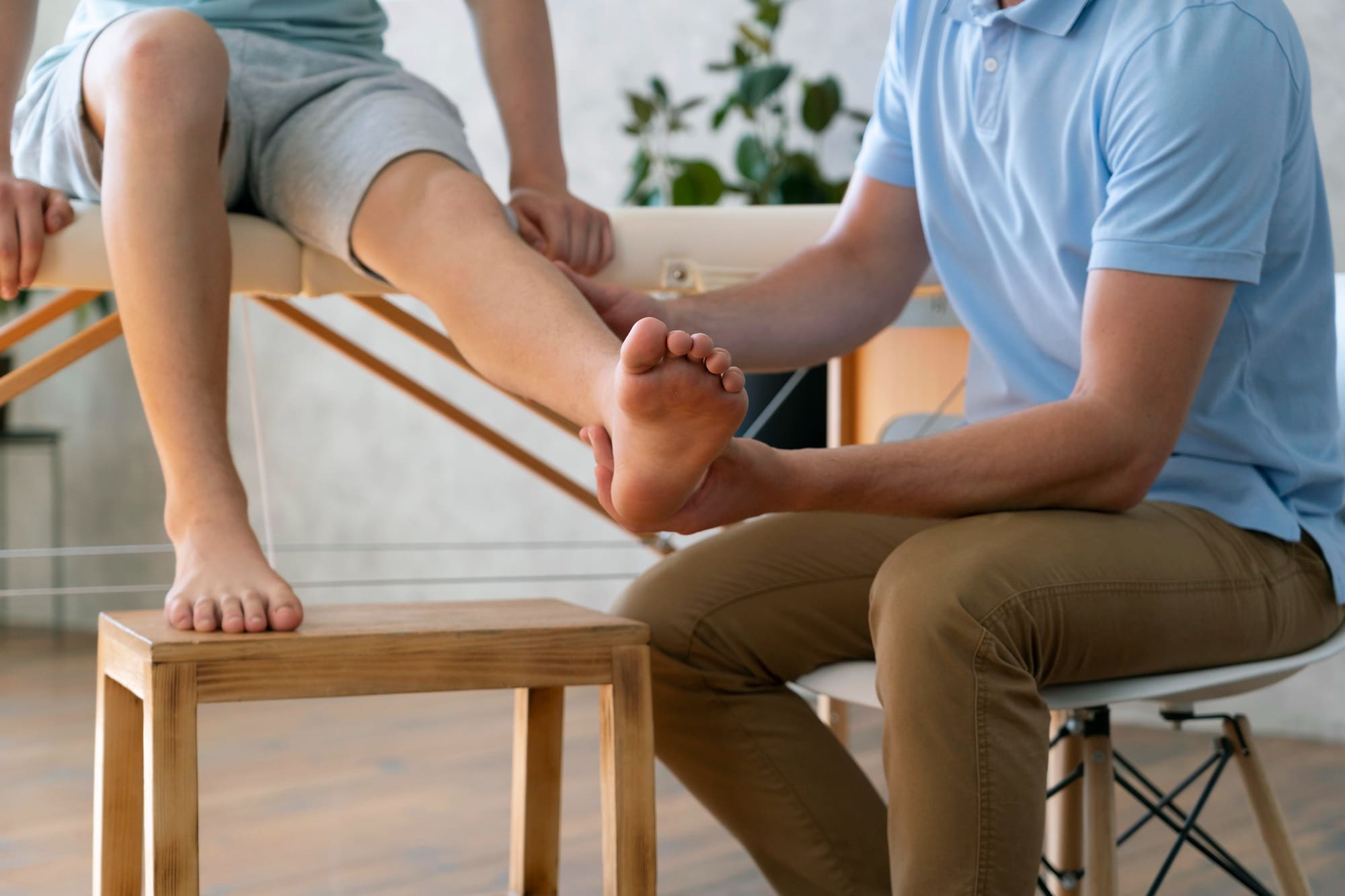
Plantar fasciitis is a common, often painful condition that affects the thick band of tissue running along the bottom of the foot. It’s characterized by sharp heel pain, especially with the first steps in the morning or after periods of rest.
According to the National Center for Complementary and Integrative Health (NCCIH), data from a large U.S. national survey estimated that about 0.85 % of U.S. adults reported diagnosed plantar fasciitis with current pain in the past month, with women and middle-aged individuals being particularly affected.
Notably, while many patients use pain medications, the data highlight how frequent pharmaceutical treatment doesn’t necessarily reflect best outcomes and point toward opportunities for non-drug approaches.
Understanding Plantar Fasciitis
Plantar fasciitis isn’t simply “inflammation” (despite the name), but more accurately a degenerative process of the plantar fascia due to chronic overload and micro-damage. It often develops gradually in people who are active on their feet, overweight, or have biomechanical imbalances. Pain typically occurs at the heel’s medial side and can significantly limit daily activities if not addressed appropriately.
Standard care for plantar fasciitis starts with conservative measures like stretching, physical therapy, and orthotic support. However, these approaches sometimes only address symptoms rather than underlying biomechanical contributors. This is where chiropractic treatment can play a meaningful role as a drug-free therapeutic pathway.
What Chiropractic Care Brings to Plantar Fasciitis Treatment
Chiropractic care focuses on the body’s musculoskeletal and neuromuscular systems. Rather than suppressing pain with medications, a plantar fasciitis chiropractor aims to correct misalignments, improve mechanics, and enhance function, which can reduce stress on the plantar fascia and support long-term healing.
1. Biomechanical Alignment and Gait Correction
The way you walk (your gait) and how your body is aligned affect how forces are distributed through your feet. Misalignment in the spine, hips, knees, or ankles can cause uneven weight distribution, placing extra stress on the plantar fascia. A chiropractor assesses and adjusts these areas to promote balanced biomechanics, which reduces strain on the foot and creates a healthier movement pattern.
2. Soft Tissue and Myofascial Techniques
Chiropractors use manual soft tissue therapies such as myofascial release, deep tissue massage, and instrument-assisted techniques to increase blood flow, break up adhesions, and improve tissue mobility in the plantar fascia, calf muscles, and Achilles tendon. These therapies help reduce tension and promote natural healing responses without medication.
3. Targeted Rehabilitation Exercises
Beyond adjustments and soft tissue work, chiropractors often prescribe specific stretches and strengthening exercises that address tight calves, restricted ankle mobility, and weak intrinsic foot muscles. Examples include calf stretches, plantar fascia stretches, and foot intrinsic strength work. These exercises improve flexibility and support for the arch, reducing recurrence risk.
4. Custom Orthotic Recommendations
Proper foot support is an essential part of conservative plantar fasciitis care. Chiropractors can assess foot mechanics and recommend custom orthotics or supportive footwear that maintain optimal foot alignment during daily activities and relieve pressure on the plantar fascia.
5. Patient Education and Activity Modification
A key part of chiropractic treatment is education. Chiropractors help patients understand factors that worsen plantar fasciitis (like poor footwear or excessive high-impact activity) and guide safe activity modifications that protect the healing tissue while maintaining overall fitness.
Why a Drug-Free Approach Matters
Many individuals with plantar fasciitis turn to pain relievers like NSAIDs or even opioids. In the NCCIH data, 41 % of adults with plantar fasciitis reported using prescription pain medications, though far fewer used them specifically for plantar fasciitis pain.
While medications may offer temporary relief, they do not promote the underlying structural healing or functional improvement that chiropractic care targets. A drug-free approach:
- Avoids the risks associated with long-term medication use (e.g., gastrointestinal, cardiovascular, or dependency issues).
- Addresses root causes like misalignment, muscle imbalance, and restricted mobility.
- Empowers patients with self-care tools (exercises, posture changes, footwear guidance).
- Supports sustainable recovery by improving biomechanics rather than masking pain.
What to Expect During Chiropractic Treatment
When you visit a chiropractor for plantar fasciitis:
- Assessment: Expect a detailed evaluation of your posture, gait, foot mechanics, and joint mobility.
- Adjustments: These may include joints in the spine, pelvis, hips, knees, ankles, and feet, tailored to your needs.
- Soft Tissue Work: Manual therapies to reduce muscle and fascial tightness.
- Exercise Plan: Personalized home exercises to stretch and strengthen relevant muscles.
- Footwear/Orthotic Advice: Guidance on supportive shoes or custom orthotics that enhance foot alignment.
Most patients begin to notice improvements in pain and function within a few weeks, although full healing may take some time, especially for chronic cases.
Complementing Chiropractic Care with Other Drug-Free Therapies
Chiropractic treatment works well in tandem with other non-drug conservative strategies such as physical therapy, night splints, and shockwave therapy. The goal is always to minimize reliance on medications and invasive procedures while maximizing recovery and long-term foot health.
Plantar fasciitis doesn’t have to be a life sentence of heel pain and pain relievers. Chiropractic care offers a holistic, drug-free path to healing that addresses biomechanical causes, promotes natural recovery, and empowers patients with tools to prevent recurrence.
If heel pain is interfering with your daily life, consider a comprehensive approach that fosters long-term wellness rather than short-term symptom control.