

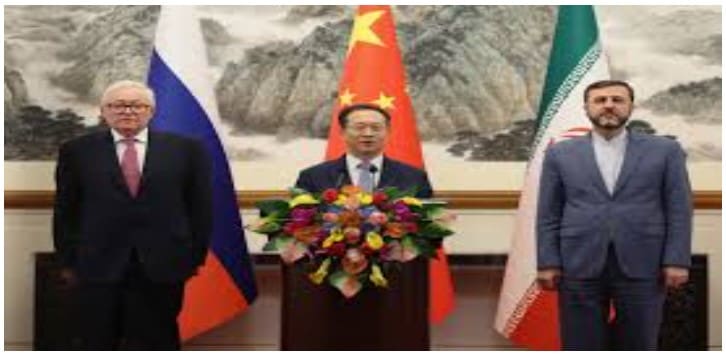
The escalating conflict in the Middle East is placing China in a complex strategic position, as it seeks to balance its economic interests with geopolitical realities. As one of the world’s largest energy importers, China is heavily dependent on oil and gas supplies from the Gulf region, making the ongoing crisis a significant concern for Beijing.
The partial closure of the Strait of Hormuz has already disrupted energy flows, affecting . At the same time, China has substantial investments in Iranian infrastructure and energy projects, placing it in a delicate position as tensions escalate.
Beijing has adopted a cautious approach, calling for de-escalation while avoiding direct involvement in the conflict. Chinese officials have emphasized the importance of maintaining stability in global energy markets and have urged all parties to resolve their differences through dialogue.
However, the situation is becoming increasingly challenging. The ongoing war has exposed vulnerabilities in China’s energy strategy, particularly its reliance on maritime routes that pass through conflict-prone regions. The disruption of these routes has prompted discussions about diversifying supply chains and investing in alternative transportation methods.
China’s position is further complicated by its broader geopolitical rivalry with the United States. While Beijing may see the crisis as an opportunity to expand its influence, it must also avoid actions that could escalate tensions with Washington.
In recent weeks, China has increased diplomatic engagement with regional actors, seeking to position itself as a mediator. However, its ability to influence the outcome of the conflict remains limited, given the complexity of the situation and the involvement of multiple stakeholders.
The economic impact of the crisis is also significant. Rising energy prices are affecting industrial production and economic growth, while disruptions to trade routes are creating additional challenges for Chinese exporters.
Analysts suggest that the current situation could accelerate China’s efforts to reduce its dependence on Middle Eastern energy. Investments in renewable energy, pipeline infrastructure, and alternative supply routes are likely to increase as Beijing seeks to enhance its energy security.
As the conflict continues, China’s response will be closely watched by the international community. Its ability to navigate this complex situation will have important implications for both regional stability and global geopolitics.