
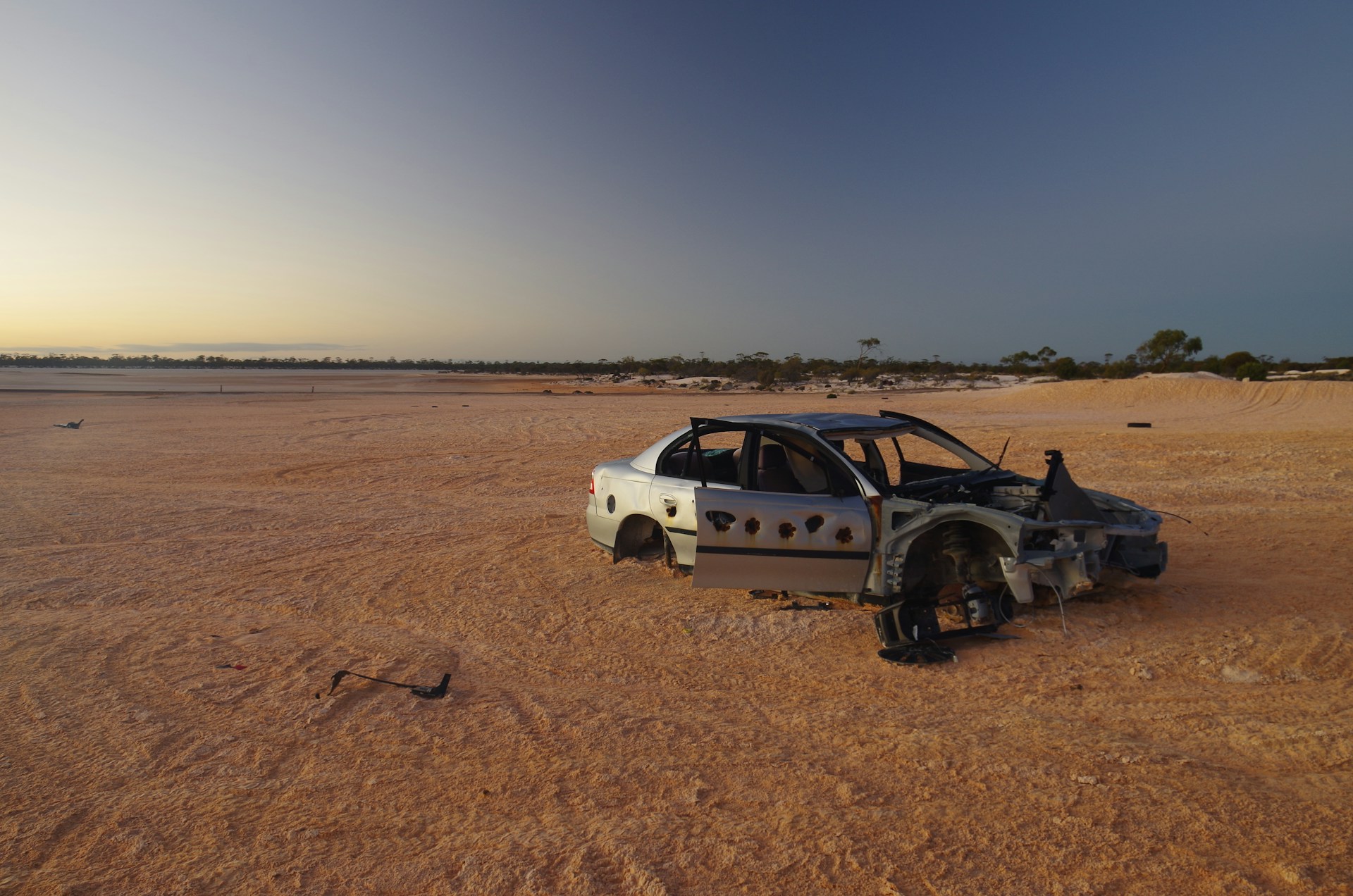
Most people who’ve ever had a car towed away can tell you almost nothing about where it went next. They remember the paperwork, the payment, maybe the sound of the flatbed pulling out of the driveway. After that, the vehicle simply disappears from their life. It becomes someone else’s problem, someone else’s process, and frankly, most owners are happy to leave it that way.
But that disappearance is misleading. A retired vehicle doesn’t vanish. It enters a surprisingly detailed industrial pathway involving inspection, dismantling, chemical extraction, metal separation, and resale, all governed by environmental rules that most drivers have never heard of. Understanding this pathway changes how you think about the car sitting in your driveway with a cracked engine block or a blown head gasket. It isn’t rubbish. It’s raw material, spare parts, and in many cases, genuine profit for someone who knows how to extract value from it properly.
This article follows that journey from the moment a tow truck leaves a Tasmanian driveway through to the final stages of metal recovery and explains why the businesses doing this work responsibly matter far more than most people assume.
Why Cars Become End-of-Life
Vehicles reach the end of their working life for reasons that have little to do with age alone. A car might be twenty years old and still roadworthy, while another is three years old and a total write-off. Collision damage, flood exposure, engine failure, transmission collapse, and even simple economics all play a role. Sometimes the cost of repair exceeds the value of the car outright, and continuing to drive it becomes financially indefensible.
In Tasmania specifically, the terrain and weather add to their own pressures. Steep coastal roads, salt exposure near places like the Tamar and the Derwent estuaries, and long distances between towns mean vehicles work harder here than they might in a flat capital city. Rust sets in earlier. Suspension components wear faster. A car that might have another five years of life in Adelaide could be structurally compromised in parts of the state where road salt and moisture are constant companions.
Insurance write-offs form another significant category. A vehicle doesn’t need to be destroyed to be declared a write-off; insurers simply calculate that repair costs outweigh the vehicle’s assessed value. That Hilux with a bent chassis rail might still run perfectly, but if straightening the frame costs more than the truck is worth, it’s off to a recycler regardless of how the engine sounds.
Vehicle Collection
The process most owners witness is collection, and even this stage involves more judgment than people expect. A reputable operator offering car removal Tasmania services doesn’t simply show up with a hook and chain. Drivers assess accessibility, check for fluid leaks that need containment during transport, and confirm the vehicle identification number matches the paperwork before it ever leaves the property.
This matters because a written-off vehicle carries legal weight. Registration needs to be finalized correctly, and in most cases the recycler needs proof of ownership before the car can be processed. Skipping this step isn’t just sloppy, it can create real problems for the previous owner if the vehicle’s history isn’t closed out properly.
Inspection and Grading
Once a vehicle arrives at a recycling yard, it doesn’t head straight to the crusher. It goes through inspection first, and this is where the real decision-making begins. A trained assessor walks the car, checks mileage, examines the engine bay, tests electronics where possible, and notes anything unusual, aftermarket parts, recent servicing records, or signs the vehicle has been well maintained despite its damage.
This inspection determines grading. Two identical model Commodores brought in on the same day might be treated completely differently. One with 90,000 kilometers and a recently replaced transmission might be stripped carefully for resaleable parts. Another with 280,000 kilometers and a seized engine might go straight to bulk dismantling for scrap metal recovery. The difference in value between those two outcomes can be several thousand dollars, which is exactly why experienced recyclers don’t treat every vehicle the same way.
Grading also considers what the market wants. If there’s strong local demand for a particular gearbox or a specific dashboard cluster, a vehicle carrying those parts in good condition gets prioritized for careful disassembly rather than crushing.
Parts Recovery
This is the stage where a lot of the actual value gets unlocked. Doors, mirrors, headlights, seats, dashboards, and trim panels are removed, tested where relevant, and catalogued for resale. A panel-damaged sedan with an undamaged rear end might yield an intact bumper assembly, tail-lights, and boot lid, all of which can be sold to repairers fixing similar vehicles.
Engines get particular attention. If a vehicle was written off due to body damage rather than mechanical failure, the engine might be worth testing and reselling as a used unit, sometimes for a few thousand dollars depending on the model. Recyclers typically run compression tests, check for oil contamination, and sometimes start the engine on a test rig before deciding whether it’s suitable for resale or better suited to being broken down for individual components like alternators and starter motors.
Transmissions follow a similar path. A manual gearbox in good condition from a popular model like a Toyota Corolla can be reused in another vehicle of the same generation, saving that owner hundreds compared to buying new. Automatic transmissions are trickier, since internal wear isn’t always visible externally, so recyclers rely on service history and mileage as much as physical inspection.
Electronic components, engine control units, body control modules, and infotainment systems have become increasingly valuable as cars have grown more computerized. A working ECU from a low-kilometer vehicle can solve a repair problem that would otherwise cost a workshop customer a fortune in a brand-new replacement part.
Catalytic Converters and Precious Metals
Catalytic converters deserve their own mention because they contain small amounts of platinum, palladium, and rhodium, metals worth considerably more per gram than gold in some cases. This is precisely why converter theft became such a problem in recent years, and why responsible recyclers keep tight records of where every converter comes from and where it goes. Legitimate operators sell converters to licensed refiners who extract precious metals through controlled processes, not to unregulated buyers with no paper trail.
Battery, Tyre, and Glass Recovery
Batteries are removed early in the process, both because of safety concerns and because lead-acid batteries are highly recyclable. The lead plates get smelted and reused, while the acid is neutralized or reprocessed according to strict environmental guidelines. A single car battery, if disposed of incorrectly, can contaminate a significant volume of soil or groundwater, which is exactly why this isn’t a step any legitimate recycler skips.
Tyres go through a separate stream entirely. Whole Tyres can sometimes be resold if tread depth is sufficient, but most end up shredded for use in things like playground surfacing, road base additives, or industrial rubber products. Windscreens and window glass are removed and separated too, since automotive glass has different chemical properties to standard glass and needs its own recycling pathway to be processed correctly.
Plastic components, bumpers, interior trim, wheel arch liners, are increasingly being separated by polymer type rather than dumped together, since certain plastics can be melted down and reformed into new automotive parts if they haven’t been contaminated by mixed materials.
Fluid Removal and Environmental Compliance
Before any serious dismantling happens, a vehicle needs to be drained. Engine oil, transmission fluid, coolant, brake fluid, and fuel are all removed and stored separately in compliant containers. This step exists because these fluids are classified as hazardous waste under Australian environmental regulations and letting them leach into soil or waterways carries genuine ecological consequences, not to mention significant fines for operators who cut corners.
This is one of the clearest dividing lines between a properly licensed recycler and a backyard operation running without proper certification. Environmental compliance isn’t glamorous, and it doesn’t show up in a customer-facing quote, but it’s arguably the most important part of the entire process from a public interest standpoint.
Metal Separation and Recovery
Once a vehicle has been stripped of usable parts, fluids, and hazardous components, what remains is largely metal, and this is where the industrial side of recycling really shows itself. The shell goes through a shredder that reduces it to fist-sized fragments, after which magnetic and eddy current separators sort the material by type.
Steel forms the bulk of most vehicles by weight and is separated using magnetic extraction, since it’s ferrous and responds predictably to magnetic fields. This steel typically gets sent to mills where it’s melted down and reformed into new products, everything from construction reinforcement bar to new sheet steel for manufacturing.
Aluminum, used increasingly in modern engine blocks, wheels, and body panels to reduce vehicle weight, requires different handling because it isn’t magnetic. Eddy current separators use induced electrical currents to physically eject aluminum fragments from the material stream, allowing it to be collected separately and sold to aluminum smelters, where it can be remelted using a fraction of the energy required to produce new aluminum from raw ore.
Copper, found throughout a vehicle’s wiring harness, alternator windings, and radiator components, is recovered through a combination of manual stripping during the dismantling stage and further mechanical separation later. Copper prices fluctuate, but it remains one of the more consistently valuable materials recovered from an end-of-life vehicle.
How Recyclers Actually Make Money
This is worth explaining plainly, because it clears up a lot of confusion about why offers for cash for cars vary so much between operators. A recycler’s profit comes from three layers stacked on top of each other: resaleable parts, which carry the highest margin per item; recovered metals, sold in bulk to smelters and mills at prevailing commodity prices; and operational efficiency, meaning how quickly and cheaply a vehicle can move through inspection, stripping, and processing without excessive labor costs.
A vehicle that yields several thousand dollars in resaleable parts before it’s even shredded is obviously worth more to a recycler than one destined straight for the crusher. This is exactly why quotes for scrap car recycling can vary so significantly between businesses, some are pricing based purely on scrap metal weight, while others are factoring in the parts recovery potential of a specific make and model.
How Australia Benefits
The broader economic case for vehicle recycling is easy to overlook because it happens quietly, away from public attention. Recovered steel and aluminum reduce the need for virgin ore extraction, which lowers energy consumption and associated emissions considerably compared to primary metal production. Recycled aluminum, for instance, can be produced using around ninety percent less energy than manufacturing new aluminum from bauxite ore.
There’s also a domestic manufacturing angle. Steel and aluminum recovered locally feeds back into Australian industry, supporting mills, fabrication businesses, and manufacturers who rely on a steady supply of recycled feedstock rather than importing raw materials at higher cost.
The Circular Economy in Practice
Vehicle recycling is one of the clearest real-world examples of a circular economy operating on a scale. A car built partly from recycled steel eventually becomes scrap itself, gets reprocessed, and re-enters manufacturing as new steel, sometimes ending up in another vehicle, sometimes in a building frame or a shipping container. Parts pulled from one vehicle extend the working life of another, delaying that second vehicle’s own trip to the recycler by months or years.
This closed loop reduces landfill pressure, something increasingly relevant given how much space and how many resources a car occupies once your account for its full material makeup.
Why Responsible Recyclers Matter
Not every operator handling old cars operates to the same standard. Some skip fluid removal. Some sell converters and batteries through channels with no traceability. Some quote a price for cash for unwanted cars, collect the vehicle, then fail to complete the paperwork that formally transfers ownership and liability away from the previous owner.
Choosing a licensed, properly regulated recycler isn’t just about getting a fair price. It’s about making sure the environmental and legal responsibilities attached to that vehicle are being met. A business offering cash for cars Tasmania under proper licensing conditions is handling registration cancellation, fluid disposal, and parts resale under regulatory oversight, something an unlicensed backyard buyer simply isn’t equipped or obligated to do.
Common Misconceptions
Plenty of people assume every scrap vehicle gets crashed within a day of arrival. Well-run yards hold vehicles for weeks or months while parts are catalogued and sold, since rushing straight to the crusher throws away the most profitable stage of the entire process.
Another common assumption is that older cars are worth less than newer ones simply because of age. That’s not always true. A twenty-year-old vehicle with a still-common engine and strong parts demand can sometimes be worth more in components than a five-year-old car with an unusual, low-demand model line.
There’s also a persistent belief that scrap metal prices alone determine what a recycler will offer. Metal weight matters, but as explained earlier, resaleable parts potential often plays a much bigger role in shaping the final offer.
The Future of Automotive Recycling
Vehicle recycling is changing as cars themselves change. Electric vehicles introduce new challenges, particularly around battery pack recycling, which require specialized handling completely different to a standard lead-acid battery. Lithium-ion recovery is still a developing field in Australia, and yards that invest early in the right certification and equipment will be well placed as EV numbers on Australian roads continue climbing.
Increasing use of aluminum and composite materials in modern vehicle construction is also shifting how yards approach dismantling, since these materials require different separation techniques compared to the largely steel-bodied vehicles of previous decades.
Tasmania-Specific Considerations
Tasmania’s smaller population and geographic isolation shape the recycling industry in ways that don’t apply to mainland capital cities. Fewer processing facilities mean logistics play a bigger role, and shipping recovered steel or aluminum to mainland smelters adds a transport cost that yards elsewhere don’t necessarily face. This is part of why efficient collection and accurate grading matter even more here than in a densely populated market with recyclers on every corner.
Regional distances also mean collection logistics that need to be planned carefully, particularly for vehicles located outside Hobart or Launceston, where a single removal job might involve significant travel time for the collecting vehicle.
Conclusion
The tow truck pulling out of a driveway isn’t the end of a vehicle’s story, it’s the beginning of a genuinely detailed industrial process involving inspection, careful dismantling, hazardous material handling, and metal recovery that ultimately feeds back into Australian manufacturing. Understanding what happens after collection gives owners a clearer picture of why offers vary, why licensed operators matter, and why a car that looks finished to its owner can still hold real value to someone who knows how to recover it properly.