
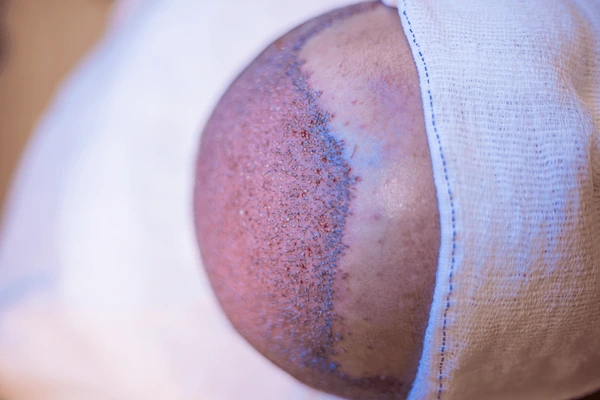
Many people in the UK notice their hair thinning and feel a sudden sense of urgency. You might see more hair in the shower drain every morning. This sight often triggers a desire for an immediate and permanent fix. You want to reclaim your youthful hairline before the loss progresses further. However, the question of timing remains one of the most critical factors in a successful outcome. Undergoing a procedure while you are still actively losing hair requires careful thought and expert planning. You must look beyond the immediate change and consider how your scalp will look in ten years. Most top surgeons advise caution when the loss pattern remains unpredictable and aggressive. A premature decision can lead to aesthetic issues that are difficult to correct later. You deserve a result that looks natural for the rest of your life.
Why Stability Matters for Your Final Result
Surgeons generally prefer to operate on a stable target to ensure the best aesthetic results. If your hair loss continues rapidly after a procedure, the final look may become unbalanced. You might have a thick, restored hairline while the hair behind it continues to recede. This creates an unnatural gap that reveals the surgical intervention to the world. Stable hair loss allows your doctor to map out a comprehensive and sustainable long-term plan. They can determine exactly where to place grafts to ensure a seamless blend with your native hair. You must understand that hair restoration does not stop the biological process of future thinning. It simply redistributes your existing healthy follicles to areas of greatest need. The FUE vs FUT hair transplant decision plays a significant role in how your surgeon manages this ongoing change.
The Risk of the Isolated Hairline
One of the primary concerns with early surgery is the development of an isolated hairline. Imagine a dense strip of hair at the front of your head with a bald patch appearing directly behind it. This visual disconnect happens when a patient ignores the progression of their underlying condition. You want to avoid a situation where you need constant follow-up surgeries just to keep up with new thinning. A strategic approach ensures your new hair looks authentic even as you age naturally. Your surgeon will discuss the FUE vs FUT hair transplant options to determine which fits your current stage of loss. Proper timing prevents the need for excessive corrective work in the future.
Evaluating FUE vs FUT hair transplant for Ongoing Thinning
The choice between methods depends heavily on your goals and the current state of your scalp. You must weigh the benefits of each technique when you consider the FUE vs FUT hair transplant path. Follicular Unit Extraction involves removing individual follicles one by one from the donor zone. This method is popular because it avoids a linear scar and allows for a faster recovery. Follicular Unit Transplantation involves removing a thin strip of skin to harvest a large number of grafts. Both techniques offer excellent results when performed by a skilled hand in a reputable UK clinic. The FUE vs FUT hair transplant choice influences how much donor hair remains available for future procedures.
Understanding the Extraction Process
Each method impacts the donor area differently, which is vital if you expect further loss. Individual extraction spreads the harvesting across a wider area of the back and sides. This makes the FUE vs FUT hair transplant comparison important for those who like short hairstyles. Strip harvesting often allows for a higher yield of grafts in a single session. This can be beneficial if you have significant thinning and need maximum coverage quickly. Your doctor will explain how the FUE vs FUT hair transplant choice affects your long-term donor hair supply. You must protect this finite resource to ensure you have options if your native hair continues to fall out.
Managing Your Donor Area for the Future
Your donor hair is a limited resource that you must manage with extreme care. If you use too many grafts too early, you may not have enough left for future thinning. An expert surgeon will calculate your donor density before making any FUE vs FUT hair transplant recommendations. They want to leave enough hair behind to ensure the back of your head remains looking full. Over-harvesting leads to a moth-eaten appearance that is very difficult to hide. When you look at the FUE vs FUT hair transplant options, consider how each affects your future flexibility. A conservative approach today protects your appearance for the decades ahead. You need a strategy that accounts for the possibility of further hair loss as you age.
The Role of Medical Stabilization Before Surgery
Many UK specialists recommend using medical treatments to stabilize your loss before considering surgery. Medications like Finasteride or Minoxidil can slow down or even stop the thinning process entirely. Using these treatments for several months gives your surgeon a much clearer picture of your stable pattern. This stabilization period directly influences the FUE vs FUT hair transplant plan that your doctor creates. You might find that your crown thickens up, reducing the number of grafts required for the procedure. Medical management acts as a powerful partner to surgical restoration. It helps preserve your native hair and enhances the overall density of your final result. You should discuss these options thoroughly during your initial consultation.
Strategic Design and Future Proofing Your Scalp
A great surgeon designs your hairline with the future in mind rather than just today. They will place the new hair in a way that remains age-appropriate as you grow older. A hairline that is too low or straight may look artificial when you reach your fifties or sixties. During the FUE vs FUT hair transplant planning phase, your doctor will suggest a mature and natural shape. They may also leave a small amount of space to account for future recession of your native hair. This forward-thinking design ensures that your FUE vs FUT hair transplant result stays undetectable. You want a look that frames your face perfectly at every stage of your life.
How Age Influences Your Surgical Readiness
Your age is a major factor in determining if you should proceed while still losing hair. Younger patients often experience more unpredictable and aggressive thinning patterns. If you are in your early twenties, your surgeon might suggest waiting a few years. This allows your natural hair loss pattern to reveal itself fully. Older patients often have more established patterns, making the FUE vs FUT hair transplant choice much simpler. A patient in his thirties or forties usually has a more predictable future than someone in their early twenties. Your doctor will assess your family history and current density to provide a bespoke recommendation. Patience during your youth often leads to much better results in your later years.
Consulting with a UK Specialist
A face-to-face consultation is the best way to determine your readiness for a procedure. A specialist will examine your scalp under magnification to check for signs of active thinning. They will discuss your goals and help you navigate the FUE vs FUT hair transplant landscape. This is the perfect time to ask questions about the long-term impact of your decision. You should feel comfortable with the proposed timeline and the surgical strategy. A reputable clinic will never rush you into a procedure if they believe your loss is too unstable. They prioritise your long-term satisfaction and safety above all else. Finding the right FUE vs FUT hair transplant expert in the UK ensures you receive honest and professional advice.
Making a Decision for Your Long Term Confidence
Restoring your hair is a journey that requires both courage and careful planning. You can certainly undergo a procedure while still losing hair if you have a solid strategy. The key lies in selecting the right surgeon and the most appropriate FUE vs FUT hair transplant method. You must also commit to medical management to protect your existing native follicles. This holistic approach ensures that your new look remains dense and natural for years to come. Do not let the fear of future loss stop you from seeking a consultation. Take the first step toward reclaiming your confidence by speaking with a professional today. Your FUE vs FUT hair transplant journey starts with understanding your unique biological needs. You have the power to transform your appearance and your self-esteem with the right timing.