
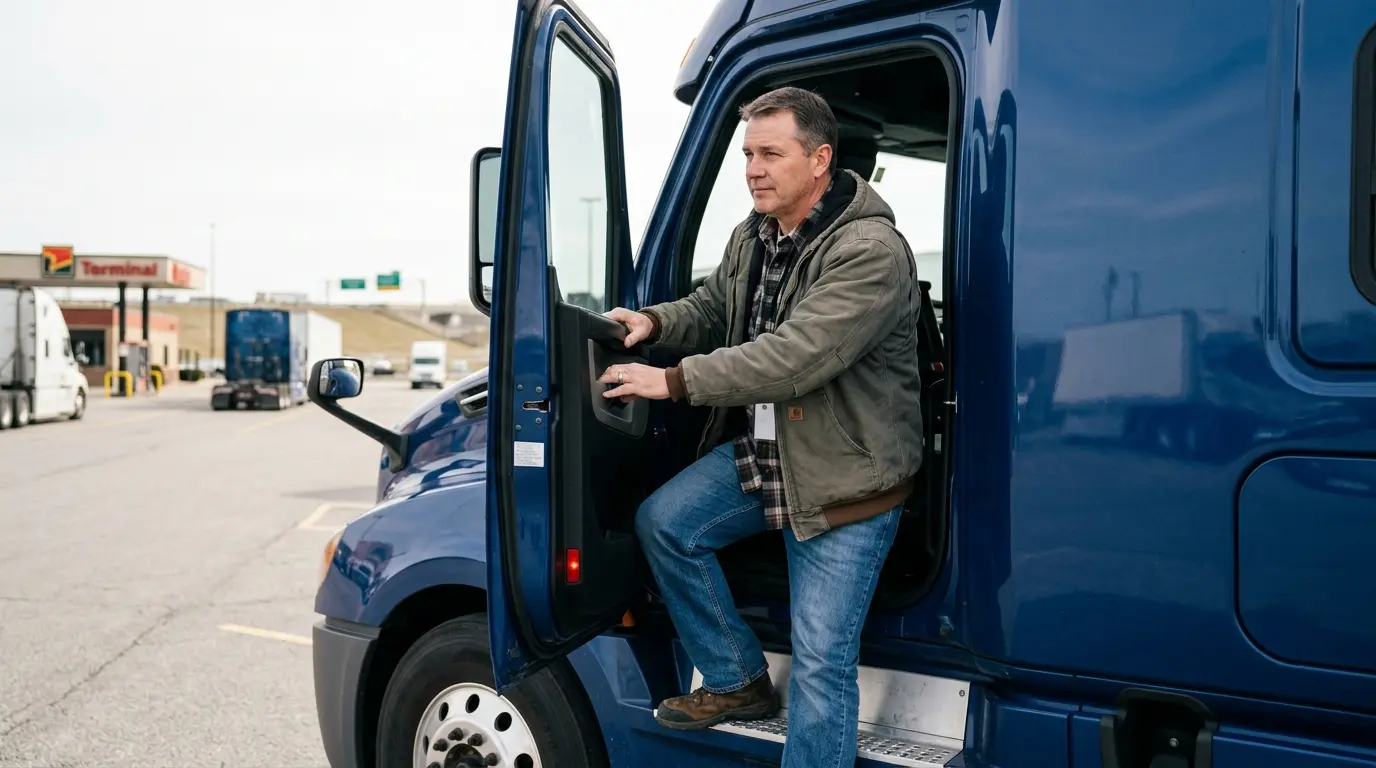
A failed drug test is one of the most serious compliance issues a commercial driver can face in the United States. It affects not only driving eligibility but also long-term employability in safety-sensitive transportation roles regulated by the U.S. Department of Transportation (DOT) and the Federal Motor Carrier Safety Administration (FMCSA).
A common question drivers ask is this: Can CDL Drivers Return to Work After a Failed Drug Test?
The short answer is yes, but only through a structured federal process that must be completed in full. There is no shortcut or immediate reinstatement after a violation.
This article explains how the system works, what steps are required, and what drivers and employers must understand to stay compliant.
Understanding What a Failed CDL Drug Test Means
Under DOT regulations (49 CFR Part 40), a failed drug test is considered a prohibited drug violation. This can occur through:
- Positive test results for controlled substances
- Refusal to test (which is treated the same as a positive result)
- Tampering or adulteration of a sample
- Failure to complete required testing procedures
Once a violation is recorded in the FMCSA Drug and Alcohol Clearinghouse, the driver is immediately removed from safety-sensitive duties.
At this stage, Can CDL Drivers Return to Work After a Failed Drug Test? becomes dependent on completing federally mandated rehabilitation steps rather than employer discretion.
Immediate Consequences of a Failed DOT Drug Test
When a CDL driver fails a drug test, the following typically happens:
- Immediate removal from driving duties
- Entry into the FMCSA Drug and Alcohol Clearinghouse
- Employer reporting of the violation
- Requirement to begin the return-to-duty process
- Potential employment termination depending on company policy
It is important to understand that FMCSA rules do not automatically revoke a CDL license, but they do prohibit operating a commercial vehicle until compliance is restored.
The SAP Program: The Only Approved Path Back
The Substance Abuse Professional (SAP) process is the federally required pathway for drivers seeking to return to duty.
According to DOT regulations, every driver asking Can CDL Drivers Return to Work After a Failed Drug Test? must complete SAP evaluation and follow all recommendations before resuming safety-sensitive work.
SAP Evaluation Includes:
- A face-to-face clinical assessment
- Evaluation of substance use history
- Recommendation for education or treatment programs
The SAP is not there to punish the driver but to determine readiness for safe return to duty.
Return-to-Duty Process Explained Step by Step
To fully understand Can CDL Drivers Return to Work After a Failed Drug Test?, it is important to break down the required steps:
1. Initial SAP Evaluation
The driver meets with a qualified SAP professional for assessment.
2. Treatment or Education Program
Based on SAP recommendations, the driver must complete assigned programs. These may include counseling or structured education.
3. Follow-Up SAP Evaluation
After completion, the SAP reassesses the driver’s compliance and readiness.
4. Return-to-Duty Drug Test
A directly observed drug test must be passed.
5. Employer Approval
The employer can then decide whether to reinstate the driver, if a position is available.
6. Follow-Up Testing Plan
The SAP creates a follow-up testing schedule, which can last up to five years.
Only after completing all these steps does the answer to Can CDL Drivers Return to Work After a Failed Drug Test? become a qualified yes.
How Long Does the Return-to-Work Process Take?
There is no fixed timeline. The duration depends on:
- SAP evaluation results
- Type and length of treatment program
- Driver compliance and attendance
- Employer reinstatement policies
In some cases, the process may take a few weeks. In others, it may take several months.
FMCSA regulations require full compliance before a return-to-duty test can even be scheduled, making speed entirely dependent on completion of requirements.
Common Misunderstandings About CDL Drug Violations
Many drivers misunderstand what happens after a violation. Let’s clarify a few key points:
1. CDL Is Not Immediately Revoked
A failed drug test does not automatically cancel a CDL license.
2. You Cannot Switch Employers to Avoid SAP
The violation stays in the FMCSA Clearinghouse and follows the driver.
3. One SAP Clearance Is Not Enough
Even after SAP approval, a return-to-duty test is mandatory.
4. Employers Are Legally Restricted
Companies cannot allow drivers back without FMCSA compliance documentation.
These facts are critical when evaluating Can CDL Drivers Return to Work After a Failed Drug Test?
Employer Responsibilities in the Return-to-Duty Process
Employers regulated by DOT must:
- Remove drivers immediately after a violation
- Report results to the Clearinghouse
- Verify SAP completion before reinstatement
- Conduct return-to-duty and follow-up testing
- Maintain compliance records
Failure to follow these rules can result in serious penalties during audits or inspections.
FMCSA Clearinghouse and Its Role
The FMCSA Drug and Alcohol Clearinghouse is a federal database that tracks violations and return-to-duty status.
Once a driver violates testing rules:
- The violation becomes visible to employers
- Future employers must check the record before hiring
- Clearance is required before any safety-sensitive role resumes
This system ensures that Can CDL Drivers Return to Work After a Failed Drug Test? is answered consistently across the industry based on compliance, not preference.
Realistic Outlook for CDL Drivers After a Violation
Recovery is possible, but it requires discipline and full compliance.
Drivers who successfully complete SAP requirements and return-to-duty testing can often return to commercial driving. However:
- Some employers may choose not to rehire
- Insurance policies may affect hiring decisions
- Follow-up testing remains mandatory for years
The process is designed for safety, not convenience, which is why the system is strict and standardized.
SAPvaluate Compliance Support for CDL Return-to-Duty Readiness
Understanding Can CDL Drivers Return to Work After a Failed Drug Test? requires more than a simple yes or no answer. The FMCSA has built a structured system that prioritizes public safety while allowing drivers a regulated path back to work.
Through SAP evaluation, treatment compliance, and return-to-duty testing, drivers can regain eligibility, but only by following every step without exception.
At SAPvaluate, the focus is on helping drivers and employers better understand compliance requirements, SAP processes, and return-to-duty expectations. Clear guidance and proper navigation of the SAP pathway can make the difference between prolonged downtime and a successful return to the road under FMCSA regulations.