
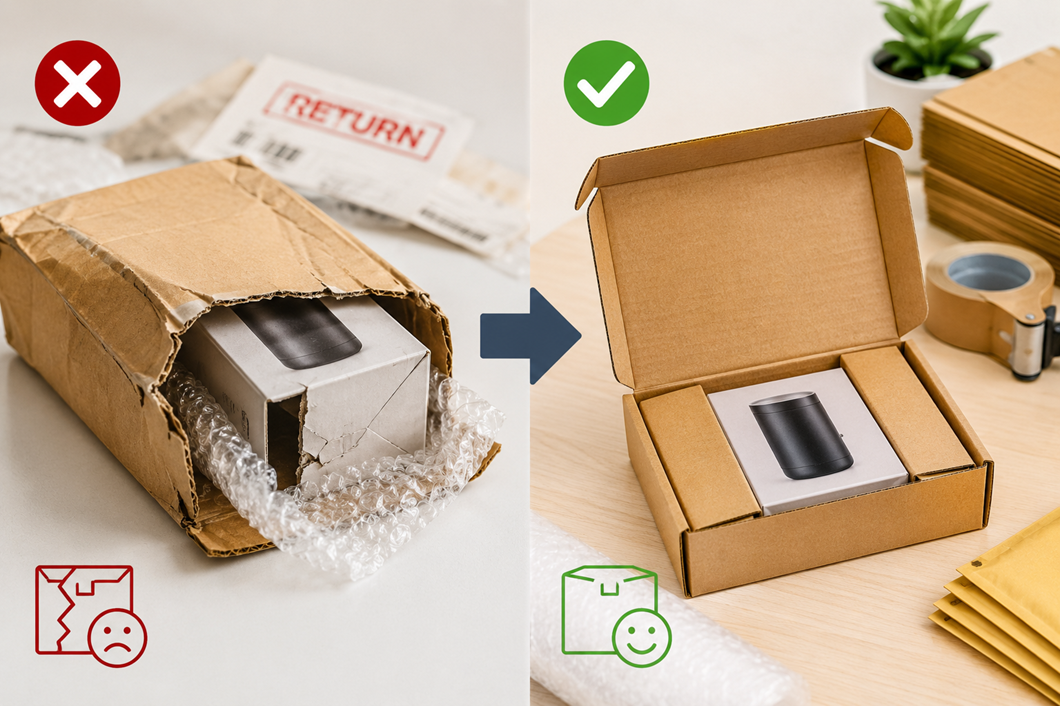
Yes, they can. I’ve seen perfectly good products arrive damaged simply because they were packed in the wrong box. A weak box, too much space, or the wrong fit can quickly turn a successful sale into a costly return. The right postal boxes do much more than carry a product from one place to another. They hold it firmly, reduce movement, and help it survive the bumps that happen during delivery. If you want fewer damaged parcels and happier customers, choosing the right box is one of the smartest decisions you can make before a parcel even leaves your warehouse.
What Are Postal Boxes?
Think about the last parcel you received. The first thing you probably touched wasn’t the product. It was the box.
That is exactly what postal boxes are designed for. They create a protective layer between your product and everything it goes through during delivery. Parcels are stacked, lifted, dropped onto conveyor belts and moved between vehicles. A suitable box helps absorb that daily handling.
You’ll find different sizes and styles because every product has different needs. A book doesn’t need the same packaging as a candle, and a phone accessory shouldn’t travel in an oversized carton. Choosing the right cardboard postal boxes is often the easiest way to prevent unnecessary damage.
What Are the Different Types of Postal Boxes
Envelope Boxes
Not every order needs a bulky box.
If you’re sending something slim, using a large carton only creates space. That usually means more filler and more movement inside the parcel.
That’s why envelope boxes remain a favourite for lightweight products.
Why people use them:
- Protect flat items well.
- Save storage space.
- Help reduce postage costs.
- Easy to pack quickly.
Large Letter Boxes
Many online businesses send products that are small enough to fit through a letterbox.
Using a standard shipping box for those items adds unnecessary size.
Large letter boxes solve that problem neatly.
You’ll often use them for:
- Phone accessories.
- Greetings cards.
- Small craft items.
- Jewellery boxes.
Book Mailers
Anyone who sells books knows the most common complaint.
It usually isn’t about the pages. It’s about bent corners.
Book mailers wrap tightly around the product instead of leaving space around it. That simple design makes a noticeable difference during transport.
Reasons they’re popular:
- Strong corner protection.
- Adjustable depth.
- Quick to fold.
- Neat presentation.
PiP Boxes
Postage costs matter.
PiP boxes were designed to make better use of mailing size limits without wasting space.
If you send hundreds of small parcels every week, even small savings soon add up.
They work well because they are:
- Compact.
- Lightweight.
- Easy to stack.
- Suitable for smaller products.
Cardboard Postal Boxes
Some packaging products stay popular because they genuinely work. Cardboard postal boxes are a good example.
Whether you’re sending clothing, beauty products or small home accessories, they provide dependable protection without making packing complicated. They also fold quickly, which saves time when you’re preparing lots of orders.
Why businesses keep choosing them:
- Strong corrugated construction.
- Available in different sizes.
- Easy to recycle after use.
- Suitable for everyday shipping.
Die-Cut Postal Boxes
Presentation matters more than many people think.
When a parcel arrives looking neat and undamaged, customers notice. Die-cut postal boxes are designed to give that clean finish while still protecting the contents.
You’ll often see them used for:
- Gift products.
- Subscription boxes.
- Premium accessories.
- Handmade items.
Why Are More Businesses Choosing Postal Boxes?
Returns are expensive. It’s not only about replacing a damaged product. You also spend time answering emails, arranging collections and sending replacements. Those small jobs soon become costly.
That is one reason more businesses are paying closer attention to packaging. A well-fitting box reduces movement inside the parcel, which lowers the risk of breakage. It also creates less space, so you often need fewer packaging supplies to keep products secure.
Customers notice the difference too.
A parcel that arrives in good condition creates confidence before the customer even opens it.
Which Products Suit Which Postal Boxes?
There isn’t one box that suits everything. Matching the product to the right box is one of the easiest ways to avoid damage.
| Product | Recommended Postal Box |
| Books and diaries | Book Mailers |
| Documents and certificates | Envelope Boxes |
| Clothing | Cardboard Postal Boxes |
| Jewellery | Large Letter Boxes |
| Phone accessories | PiP Boxes |
| Gift items | Die-Cut Postal Boxes |
If you’re unsure, choose the box that leaves the least space around your product. It usually provides better protection and reduces the amount of filler you need.
Conclusion
Good packaging doesn’t happen by accident. It starts with choosing the right box before you even think about tape or protective filling. A book mailer will always do a better job for books than a standard carton, just as a PiP box makes more sense for smaller items. When you match the product to the right postal box, you’re giving it a better chance of arriving exactly as it left your warehouse. Over time, that simple decision can help reduce returns, minimise waste and make packing far more efficient.
FAQs
1. Do better postal boxes really reduce damaged deliveries?
Yes. A box that fits the product properly helps reduce movement and protects it during transport.
2. When should you use envelope boxes?
They are ideal for flat products such as books, documents, photographs and certificates.
3. Are cardboard postal boxes recyclable?
Most are made from corrugated cardboard and can be recycled after use.
4. Why should you choose the correct box size?
A better fit means less space, improved protection and fewer filler materials.
5. Can quality packaging supplies reduce returns?
Yes. Strong boxes and suitable protective materials work together to lower the risk of products arriving damaged.