
Introduction
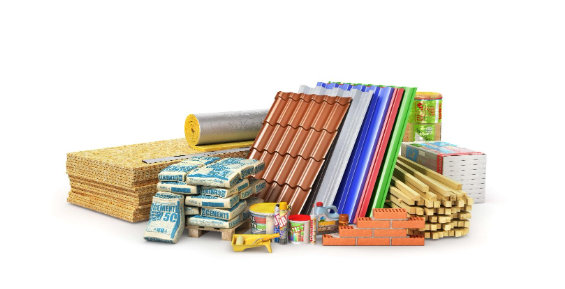
Every building, from a humble home to a soaring skyscraper, relies on building materials as its foundation. These materials are not just physical components—they represent innovation, sustainability, and strength. Choosing the right ones determines how long a structure lasts, how much energy it uses, and even how it feels to live in.
The Evolution of Building Materials
Long before steel and concrete ruled construction, ancient builders relied on stone, mud, and wood. Over centuries, humanity experimented, improved, and innovated, giving rise to stronger, lighter, and smarter materials. Today’s materials can self-heal, adapt to temperature changes, and even generate energy—proof of how far we’ve come.
Types of Building Materials
Building materials generally fall into two main categories:
- Natural materials: Directly sourced from nature, such as stone, wood, and clay.
- Artificial (synthetic) materials: Man-made through industrial processes, including concrete, steel, and glass.
Each has its advantages, and the best choice often depends on the project’s purpose, budget, and environmental conditions.
Natural Building Materials
Stone
Stone has stood the test of time. From ancient temples to modern facades, its strength and weather resistance make it a classic choice. Though heavy and labor-intensive, it offers unmatched durability and aesthetic charm.
Wood
Wood brings warmth and natural beauty to any space. It’s lightweight, renewable, and versatile. With proper treatment, it resists pests and moisture, lasting for generations while offering excellent insulation.
Clay
Used to make bricks and tiles, clay is a staple in construction. It’s affordable, eco-friendly, and energy-efficient, keeping buildings naturally cool.
Bamboo
A fast-growing, eco-friendly material, bamboo is known as “green steel.” It’s flexible, lightweight, and surprisingly strong, making it perfect for sustainable architecture.
Artificial Building Materials
Concrete
Concrete is everywhere—from sidewalks to skyscrapers. It’s durable, moldable, and cost-effective. Modern innovations like reinforced and self-healing concrete have made it even stronger and more sustainable.
Steel
Steel gives modern buildings their iconic height. Its high tensile strength and flexibility make it ideal for skyscrapers, bridges, and industrial projects.
Glass
Glass does more than just let in light. Today’s energy-efficient glass can block UV rays, insulate interiors, and even generate electricity using solar technology.
Plastics
Plastic-based materials like PVC are lightweight, durable, and weather-resistant. Commonly used for pipes, roofing, and insulation, plastics offer affordability and ease of installation.
Modern Trends in Building Materials
Smart Materials
Imagine walls that fix their own cracks or windows that adjust tint with sunlight. Smart materials respond to environmental changes, boosting comfort and energy efficiency.
Sustainable and Green Materials
Eco-conscious builders now favor hempcrete, recycled steel, cork, and bioplastics—materials designed to reduce carbon footprints without compromising strength.
Prefabricated and Modular Materials
Modular materials enable faster, cheaper construction. Prefabricated components are assembled on-site, minimizing waste and time.
Sustainable Building Materials
Sustainability isn’t just a buzzword—it’s the future. Builders are turning to eco-friendly materials that conserve resources and minimize pollution.
- Recycled materials like crushed concrete or metal reduce waste.
- Renewable resources like bamboo ensure long-term availability.
- Eco-friendly alternatives such as hempcrete store carbon rather than emitting it.
These materials not only protect the planet but also save costs over time.
Energy Efficiency and Insulation
Energy-efficient materials reduce heating and cooling costs while maintaining comfort.
- Insulating materials like fiberglass and foam trap heat effectively.
- Reflective paints and coatings reduce solar absorption.
- Solar glass panels help buildings produce their own energy.
The right combination can drastically lower a building’s energy footprint.
Durability and Longevity
A durable material saves time, money, and resources in the long run. For instance, steel and stone can last centuries, while wood needs regular treatment. Proper maintenance—like sealing, painting, and cleaning—extends lifespan and prevents damage.
Aesthetic and Functional Roles
Building materials don’t just hold structures together—they define their look and feel.
- Glass gives modern minimalism.
- Brick exudes warmth and tradition.
- Wood adds a cozy, organic touch.
Designers often mix materials to balance form and function, creating spaces that are both practical and beautiful.
Safety and Standards
Construction safety depends heavily on materials. Fire-resistant materials like gypsum and treated wood reduce hazards. Every country enforces building codes to ensure materials meet quality, safety, and environmental standards.
Cost and Budget Considerations
Not all materials fit every budget. While concrete and wood are cost-effective, steel and smart glass can be expensive but last longer. A smart builder looks at the total cost of ownership—including maintenance, energy use, and lifespan—rather than just upfront price.
Technology and Future Materials
Innovation drives the construction industry forward.
- 3D printing allows entire homes to be built in days.
- Nanotechnology strengthens materials and adds self-cleaning abilities.
- AI helps test materials virtually, predicting performance before use.
The future promises stronger, lighter, and more sustainable materials than ever before.
Choosing the Right Material
Selecting the right material is a blend of science and strategy. Consider:
- Climate: Materials must handle heat, cold, or humidity.
- Location: Urban vs. rural settings may have different requirements.
- Budget: Balance initial cost with maintenance and longevity.
- Sustainability goals: Eco-friendly options can reduce environmental impact.
Conclusion
Building materials are the foundation of civilization—literally and figuratively. From ancient stone structures to smart glass towers, they reflect human creativity, adaptability, and progress. As sustainability becomes more vital, the future of construction will rely on innovation, responsibility, and smarter material choices.
FAQs
1. What are the most commonly used building materials today?
Concrete, steel, wood, and glass are the most widely used materials in modern construction.
2. Which material is the most sustainable?
Bamboo, recycled steel, and hempcrete are leading eco-friendly options due to their renewability and low environmental impact.
3. How do smart materials work in construction?
Smart materials adjust to environmental changes—like temperature or light—improving comfort and energy efficiency automatically.
4. What is the lifespan of concrete buildings?
With proper care, concrete buildings can last over 100 years or more.
5. How is technology shaping the future of building materials?
AI, nanotechnology, and 3D printing are making materials stronger, more sustainable, and faster to build with than ever before.