
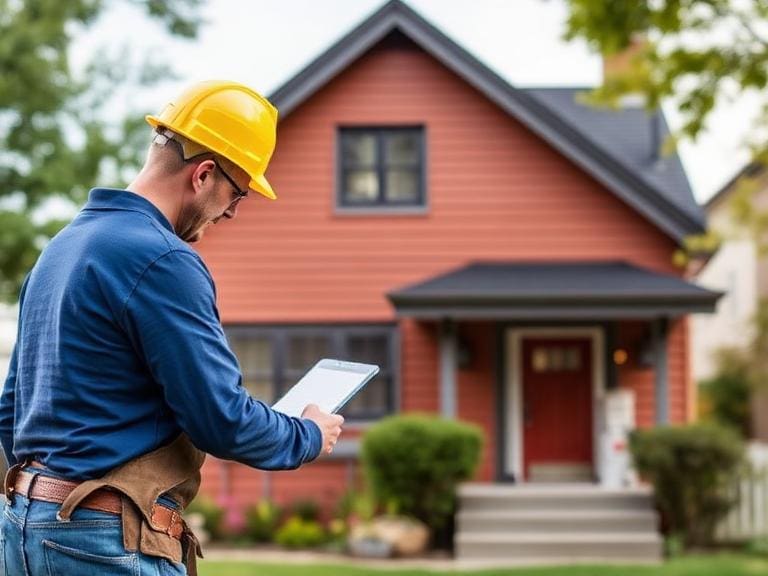
Buying your first home is exciting, isn’t it? But have you ever wondered what’s lurking behind those freshly painted walls? What if the dream property you’ve fallen in love with has termites munching away at its foundations? Or structural issues that could cost you thousands down the track?
For first-time buyers in Australia, a building and pest inspection is one of the most important steps in the property-buying journey. It’s your chance to peek behind the curtain and understand exactly what you’re investing in. Think of it as a health check for a house – you wouldn’t buy a car without a mechanic’s opinion, so why treat a property any differently?
In this guide, we’ll walk you through everything you need to know about building and pest inspections. From understanding what inspectors actually look for, to knowing how much you should budget, and even how to use your report as a negotiation tool. Whether you’re eyeing a charming older home or a shiny new build, this information will help you make a confident, informed decision. Let’s get stuck into it.
What Is a Building and Pest Inspection?
Building Inspection Explained
A building inspection is a thorough assessment of a property’s structural condition. A qualified inspector examines the visible and accessible areas of a home, checking for defects, safety hazards, and potential maintenance issues. They’ll look at everything from the foundation to the roof, identifying problems that might not be obvious to the untrained eye.
Pest Inspection Explained
A pest inspection focuses specifically on evidence of timber pests – primarily termites, but also borers and wood decay fungi. Given that termites cause more damage to Australian homes than fires, floods, and storms combined, this inspection is absolutely vital. Inspectors use specialised equipment like moisture meters and thermal imaging cameras to detect activity that’s hidden from view.
Why Are They Usually Combined?
Most buyers opt for a combined building and pest inspection because it’s more cost-effective and convenient. Both inspections examine similar areas of the property, so having them done together saves time and money. Plus, you’ll receive a comprehensive picture of the property’s overall condition in one report.
Do You Really Need a Building and Pest Inspection Before Buying?
The Risks of Skipping an Inspection
Skipping a building and pest inspection might seem like a way to save a few hundred dollars, but it’s a gamble that could cost you dearly. Hidden termite damage can run into tens of thousands of dollars to repair. Structural defects might make a property unsafe or require major renovation work. Without an inspection, you’re essentially buying blind.
Some first-time buyers feel pressured to skip inspections in hot markets where properties sell quickly. However, the potential financial and emotional stress of discovering major problems after settlement far outweighs any competitive advantage.
When Can You Consider Not Getting One?
There are very few situations where skipping an inspection makes sense. If you’re purchasing a brand-new property with comprehensive builder’s warranties, you might consider it – though even new builds can have defects. Ultimately, for first-time buyers, an inspection is almost always worth the investment.
What Does a Building and Pest Inspector Look For?
Structural Issues and Defects
Inspectors examine foundations, walls, floors, and ceilings for cracks, movement, or signs of subsidence. They’ll check that load-bearing elements are sound and that the building is structurally stable.
Termite Damage and Active Infestations
Evidence of termites is a major focus. Inspectors look for mud tubes, damaged timber, and signs of current or past activity. They’ll also assess conditions that might attract termites, such as timber-to-ground contact.
Signs of Water Damage and Moisture Problems
Water damage can cause significant structural problems and encourage mould growth. Inspectors check for staining, bubbling paint, warped materials, and moisture readings that suggest ongoing issues.
Roof, Guttering, and Drainage Concerns
The roof is examined for damaged tiles, deteriorating flashings, and sagging. Gutters and downpipes are checked to ensure they’re directing water away from the property properly.
Electrical and Plumbing Red Flags
While building inspectors aren’t electricians or plumbers, they’ll note visible issues like outdated wiring, leaking taps, or poor water pressure that might warrant specialist investigation.
How Much Does a Building and Pest Inspection Cost in Australia?
Average Costs by State
Building and pest inspection costs vary across Australia. Generally, you can expect to pay between $400 and $700 for a combined inspection. Sydney and Melbourne tend to be at the higher end, while regional areas might be slightly cheaper. Larger properties or those with complex features will typically cost more.
Factors That Affect the Price
Several factors influence the final price: property size, age, accessibility, and location all play a role. Properties with multiple buildings, subfloor areas, or extensive roof spaces take longer to inspect and therefore cost more.
Is It Worth Paying More for a Thorough Report?
Absolutely. A cheap inspection might miss critical issues that a more experienced inspector would catch. Look for inspectors who use thermal imaging technology and provide detailed photographic evidence. The few extra dollars spent on a quality inspection could save you thousands in unexpected repairs.
How Long Does a Building and Pest Inspection Take?
On-Site Inspection Duration
A typical combined building and pest inspection takes between one and a half to three hours on-site, depending on the property’s size and complexity. Older homes with more accessible areas generally take longer than modern apartments.
How Quickly Will You Receive the Report?
Most inspectors provide their report within 24 to 48 hours. Some offer same-day service for an additional fee. Make sure you factor this timeframe into your due diligence period when making an offer.
How to Choose a Qualified Building and Pest Inspector
What Qualifications Should They Have?
In Australia, building inspectors should hold relevant qualifications such as a Certificate IV in Building and Construction or equivalent trade experience. Pest inspectors need specific licensing that varies by state. Always verify their credentials and insurance coverage before booking.
Questions to Ask Before Booking
Ask about their experience, what equipment they use, and whether they carry professional indemnity insurance. Find out what’s included in their inspection and what areas they can’t access. Request a sample report to understand what you’ll receive.
Red Flags to Watch Out For
Be wary of inspectors who quote unusually low prices, can’t provide evidence of qualifications, or seem rushed during your initial conversation. An inspector recommended by the selling agent might also have a conflict of interest – it’s best to find your own independent professional.
Understanding Your Building and Pest Inspection Report
How to Read the Report
Inspection reports follow Australian Standard guidelines and categorise findings by severity. Start with the summary section, which highlights the most significant issues. Then work through the detailed sections to understand the full picture.
What Are Major vs Minor Defects?
Major defects are serious issues requiring significant expense to rectify, such as structural movement or active termite infestation. Minor defects are maintenance items that don’t affect safety or structural integrity – think small cracks or worn fixtures. Understanding this distinction helps you prioritise concerns.
What Should You Do If Problems Are Found?
Don’t panic if your report identifies issues. Most properties have some defects. Get quotes from relevant tradespeople for repairs, discuss findings with your conveyancer, and consider whether the problems are dealbreakers or simply negotiation points.
Can You Negotiate the House Price After an Inspection?
Using the Report as a Negotiation Tool
Your inspection report provides documented evidence of the property’s condition. If significant issues are identified, you can request the seller reduce the price, complete repairs before settlement, or provide credits for you to manage repairs yourself.
When to Walk Away from a Property
Sometimes the smartest decision is to walk away. If major structural problems exist, extensive termite damage is found, or repair costs would blow your budget, it might be time to continue your property search elsewhere.
Common Issues Found in Australian Homes
Older Properties vs New Builds
Older homes often have issues related to wear and age – deteriorating roofs, outdated wiring, and asbestos-containing materials. New builds might have construction defects, poor workmanship, or incomplete landscaping that affects drainage.
Regional Considerations
Coastal properties face salt damage and corrosion. Rural homes might have water supply issues or be in bushfire-prone areas. Urban properties often have concerns related to neighbouring buildings or limited access for inspection.
Frequently Asked Questions
What Happens If Termites Are Found During Inspection? Your inspector will document the extent of damage and activity. You’ll need specialist treatment quotes and should factor remediation costs into your decision.
Can a Building Inspector Check for Asbestos? Inspectors can identify materials likely to contain asbestos but cannot confirm without laboratory testing. If suspected, they’ll recommend specialist assessment.
Should I Attend the Building and Pest Inspection? Absolutely. Attending allows you to ask questions, see issues firsthand, and gain valuable insights about maintaining the property.
How Often Should You Get a Building Inspection? Beyond purchase, consider inspections every five years or before major renovations to stay on top of maintenance.
Protecting Your Investment as a First-Time Buyer
Purchasing your first home is likely the biggest financial decision you’ll ever make. A professional building and pest inspection in Doreen can provide the knowledge you need to proceed with confidence – or walk away before making a costly mistake.
Remember, the few hundred dollars spent on a quality inspection is negligible compared to the potential cost of hidden defects. Armed with a thorough report, you can negotiate fairly, budget accurately for repairs, and ultimately make an informed decision about your property purchase.
So before you sign on that dotted line, make sure you’ve got a qualified inspector in your corner. Your future self will thank you for it.
