

When buying your first home in Pakistan, one of the biggest challenges is setting up your home with the necessary electronics and appliances. The wide range of options and prices can easily lead to overspending on items that aren’t essential. This often results in financial stress and makes it hard to stay within your budget.
In this article, we will provide practical tips to help you manage your budget effectively. We’ll focus on how to prioritize essential appliances, shop wisely, and avoid common mistakes first-time homeowners often make. By following these steps, you can set up your home without exceeding your budget.
Distinguishing Essential Appliances from Luxuries
When setting up your new home, it is crucial to separate essential appliances from luxury items. Essential appliances are those that are necessary for daily living and ensure your home functions smoothly. These include refrigerators, stoves, washing machines, and air conditioners, which help with cooking, cleaning, and maintaining comfort in your home.
On the other hand, luxury appliances are those that provide extra convenience or style but are not required for everyday life. Examples include high-end coffee makers, smart refrigerators with advanced features, or decorative kitchen gadgets. While these items can enhance your lifestyle, they are not essential for your home to operate effectively.
To prioritize your purchases, focus first on the essential appliances that fulfill your basic needs. Once these are covered, you can consider purchasing luxury items, but only if they fit within your remaining budget. This approach helps ensure that you meet your necessary needs before splurging on extras.
Understanding Market Prices for Common Appliances
When budgeting for your new home, it’s important to have a clear understanding of the typical prices for essential appliances in Pakistan. This will help you set a realistic budget and avoid overspending. Here’s a breakdown of the average prices for some of the most common household appliances:
- Refrigerators: Prices for basic models typically start at around Rs. 30,000, with higher-end models reaching up to Rs. 100,000 or more, depending on features such as size, energy efficiency, and brand.
- Washing Machines: A standard washing machine can cost between Rs. 25,000 and Rs. 70,000, with front-loading machines generally being expensive than top-load models.
- Air Conditioners: Air conditioners are essential in Pakistan’s hot climate, and prices can vary significantly depending on capacity, brand, and energy efficiency. Basic models typically start from around Rs. 50,000, while advanced or inverter units may exceed Rs. 150,000. If you’re researching AC price in Pakistan, keep in mind that rates can differ across cities, retailers, and seasonal promotions, so comparing options before purchasing is always a smart approach.
Having a good idea of these prices will allow you to make informed decisions and choose appliances that fit your needs and budget.
Maximizing Savings Through Discounts and Promotions
One of the best ways to save on electronics and appliances is by taking advantage of seasonal sales and special offers. In Pakistan, various events like Eid, New Year, and Independence Day bring significant discounts on home appliances. Local stores and online platforms offer promotions during these times, allowing you to buy high-quality items at lower prices. Additionally, some online stores may provide limited-time offers, bundle discounts, or even free delivery during sales events.
To maximize your savings, keep an eye on these key shopping periods and set reminders for upcoming deals. If you’re planning to buy multiple appliances, check if the retailer offers a bulk discount for purchasing several items at once. Vendors are willing to negotiate on price, especially if you’re buying several items. Don’t hesitate to ask for a better deal or inquire about any ongoing promotions or unadvertised discounts.
By staying alert to these opportunities and negotiating effectively, you can significantly reduce the overall cost of outfitting your home with the necessary appliances.
The Long-Term Savings of Energy Efficiency
Investing in energy-efficient appliances is a smart way to save money over time. These appliances are designed to consume less power, which can lead to significant reductions in your monthly electricity bills. While the initial cost may be higher than standard models, the long-term savings from lower energy consumption make them a worthwhile investment. As electricity prices continue to rise, energy-efficient appliances become valuable for managing household expenses.
In Pakistan, several energy-efficient appliances are available, providing excellent performance while reducing energy usage:
Refrigerators
Brands like Samsung and Haier offer energy-efficient refrigerators equipped with features such as multi-air flow systems and LED lighting that consume less energy while ensuring optimal cooling.
These models also come with smart inverter technology that adjusts compressor speeds based on usage patterns, further reducing power consumption. Additionally, these refrigerators are built with insulation technology that helps retain cooling for longer, leading to less frequent cycling of the compressor and a reduction in overall energy use.
Air Conditioners
Inverter ACs from LG and Gree use advanced variable-speed compressors that adjust power according to the room’s cooling needs, unlike traditional units that operate at full capacity continuously. This results in up to 50% lower energy consumption compared to conventional ACs.
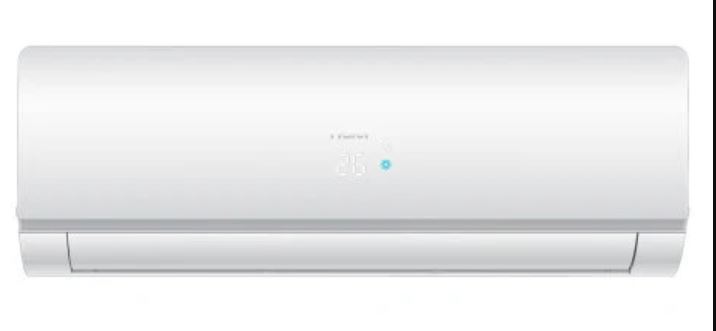
Furthermore, these ACs are equipped with eco-friendly refrigerants that not only enhance cooling efficiency but also minimize environmental impact. Some models come with smart features that allow users to control energy settings remotely, optimizing performance and further cutting down on power usage.
Washing Machines
Bosch and LG washing machines incorporate intelligent washing technology, such as load sensors and smart drum systems, that adjust water and energy usage based on the size of the load. These models offer features like eco-wash cycles, which optimize water and detergent usage while providing excellent cleaning performance.
The advanced inverter direct drive motors used in these washing machines not only reduce energy consumption but also lower noise levels, providing a quieter and efficient washing experience. Over time, these features help reduce water waste and lower electricity bills.
For more energy-efficient options and the latest deals, you can explore appliances from Friends Corporation, which offers models designed to save energy and costs.
Financing Options: Spreading the Cost
Buying essential electronics and appliances can be costly. Thankfully, financing options like installment plans, personal loans, and store credit can help spread the cost over time, easing the financial burden. While these options offer flexibility, it’s important to use them responsibly to avoid financial strain.
Here are some tips for using financing wisely and ensuring it works for you:
- Evaluate Your Budget: Before committing to any financing plan, ensure that your monthly budget can comfortably accommodate the installment payments without impacting other essential expenses.
- Stick to What You Need: Finance only the essential appliances, such as refrigerators and washing machines, rather than luxury items. This will help you avoid unnecessary debt.
- Read the Terms: Always understand the repayment terms, interest rates, and any hidden fees associated with the financing option. This will help you know exactly how much you will be paying by the end of the term.
- Set Up Automatic Payments: Setting up automatic payments ensures you don’t miss deadlines and incur late fees, helping you stay on track with your finances.
By following these tips, financing can be an effective way to manage your appliance purchases while keeping your financial situation stable.
The Pros and Cons of Second-Hand Appliances
Buying second-hand appliances can be a cost-effective solution for first-time homeowners looking to furnish their homes on a budget. However, it comes with benefits and potential risks that need to be considered carefully.
Pros:
Cost Savings: Second-hand appliances are significantly cheaper than new ones, which can help you save money, especially when purchasing large items like refrigerators or washing machines.
Value for Money: Used appliances are still in good working condition and can provide excellent performance for a fraction of the cost of new models.
Cons:
Risk of Malfunction: Used items may have wear and tear or hidden issues that are not immediately visible, leading to potential repair costs.
Limited Warranty: Second-hand appliances often do not come with a warranty or guarantee, so if something goes wrong, you’ll have to pay for repairs out of pocket.
To assess the condition and value of second-hand items before purchasing, consider these tips:
- Check the Age: Ask about the appliance’s age and history. Older models may be more prone to issues, but some brands are built to last longer.
- Inspect for Damage: Examine the appliance for visible damage, rust, or signs of wear. Test it if possible, ensuring it functions properly.
- Request a Service Record: If the seller has kept maintenance records, it’s a good sign that the appliance has been well cared for.
- Look for Reviews: Research the brand and model online to see if others have had positive experiences with it and if there are any common issues.
By following these steps, you can reduce the risks of buying second-hand appliances and make a smart purchase.
Conclusion
Setting up a home with essential electronics and appliances doesn’t have to be a financial burden for first-time homeowners in Pakistan. By distinguishing between must-have and luxury items, understanding market prices, and utilizing discounts, homeowners can make smart choices that align with their budget.
Moreover, making energy-efficient purchases, considering financing options, and exploring second-hand appliances can offer substantial savings in the long run. Careful planning and strategic decision-making will not only ensure that you meet your home’s needs but also help you avoid unnecessary financial stress.