
Introduction
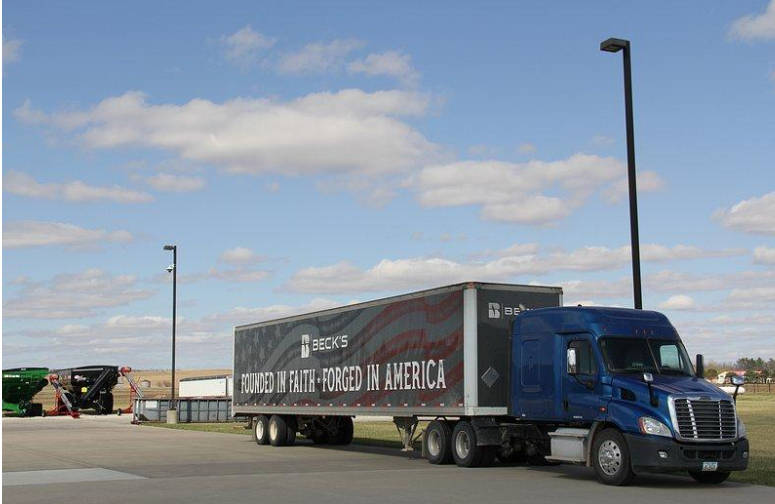
A company vehicle is never just a vehicle when it moves through public roads, customer sites, delivery zones, industrial parks, job locations, and event spaces. It becomes part of the brand’s daily visibility. Every route creates a small public impression, and every parked vehicle becomes a temporary sign. For businesses with active fleets, this makes graphics more than a design choice. They become a practical communication tool that works wherever the vehicle goes.
Fleet branding is especially important for industrial, logistics, service, healthcare, construction, and field-based businesses. These companies rely on trust before a conversation even begins. A customer wants to know who has arrived, what company the team represents, and whether the business looks professional enough to handle the work. Clear, durable, and consistent vehicle graphics help answer those questions quickly. They turn everyday movement into repeated recognition.
Why Vehicle Graphics Work as Everyday Brand Infrastructure
Many businesses spend heavily on digital marketing, signage, and sales materials while overlooking the vehicles already moving through their service areas. A fleet is one of the most visible physical assets a company owns. Vans, trucks, trailers, and service vehicles pass by homes, offices, warehouses, schools, construction sites, hospitals, and retail areas. Each appearance has the potential to reinforce brand memory.
The value comes from repetition. A person may not become a customer the first time they see a branded vehicle, but repeated exposure creates familiarity. When the same colors, logo, service category, and message appear across multiple vehicles, the company starts to feel present in the market. This recognition can support trust later when someone searches online, asks for a quote, or sees the brand at a job site.
Consistency Makes the Fleet Feel Organized
A strong fleet graphics program should feel like one connected system. Different vehicles may have different shapes, surfaces, and panel sizes, but the identity should remain consistent. Logo placement, typography, color use, contact information, and service messaging should follow a clear visual structure. Without that structure, the fleet can look scattered, even if each vehicle is individually branded.
Consistency also helps field teams appear more professional. When every vehicle carries the same visual standard, customers can identify the company faster. Staff arrive with a stronger sense of legitimacy. The business looks coordinated rather than improvised. In industries where reliability matters, that visual order can quietly support confidence.
Industrial Supply Chains and the Importance of Clear Presentation
Industrial markets often depend on specialized suppliers, materials, and complex distribution networks. Buyers need clarity, reliability, and confidence when choosing partners. This is visible in discussions around industrial growth and solvent C9 suppliers, where supply quality and dependable business relationships shape how companies compete and grow.
Fleet graphics support the same broader idea of clarity. A company may have strong operations behind the scenes, but the public often sees the vehicle first. If that vehicle is clearly branded and well maintained, it reinforces the impression that the business is organized. If the graphics are faded, cluttered, or inconsistent, the company may appear less disciplined than it really is. The exterior becomes a visible clue about the operation behind it.
Readable Design Matters More Than Visual Noise
Fleet graphics are usually seen in motion. People notice them while driving, walking, parking, or waiting in traffic. That means the design has only a few seconds to communicate. A clear logo, strong contrast, simple service category, and readable contact point usually perform better than crowded graphics filled with too much text.
The rear of the vehicle also deserves attention because many people see service vehicles from behind in traffic. Side panels offer broad visual space, but rear graphics can support recall during slower viewing moments. Good fleet design considers every angle without turning the vehicle into a moving brochure.
Context: Turning Road Presence Into Brand Recall
When companies want their vehicles to create stronger recognition across service areas, job sites, delivery routes, and public roads, they need graphics that are clear, durable, consistent, and aligned with the way the brand should be remembered. A practical brand visibility graphics approach helps businesses understand how vehicle design, material quality, placement, and execution can turn daily fleet movement into long-term public awareness.
Inventory Thinking and Fleet Graphic Planning
A fleet graphics program also benefits from the same planning discipline used in industrial operations. Companies must think about vehicle counts, replacement cycles, design standards, material durability, installation timing, and future updates. A fleet may grow over time, and the graphics system should be ready to grow with it.
The importance of organized planning is clear in guidance on optimizing industrial products inventory, where visibility, timing, and control help businesses manage physical assets more effectively. Fleet graphics may be a different kind of asset, but the principle is similar. A business needs standards, tracking, maintenance awareness, and refresh planning if it wants the fleet to keep looking sharp.
Durability Protects the Brand Image
Vehicles face sunlight, rain, road grime, washing, temperature changes, and daily wear. Poor materials or weak installation can lead to peeling, fading, bubbling, or mismatched appearance across the fleet. These issues do more than reduce visual quality. They can make the business look careless.
Durable graphics protect the brand image over time. Skilled installation around curves, seams, handles, mirrors, and panel edges helps the design look clean under real road conditions. A strong fleet graphics program should account for both first impression and long-term presentation.
Brand Section: Craftsmen Industries
Craftsmen Industries is associated with large-format graphics, fleet branding, custom fabrication, branded vehicles, mobile environments, trailers, and specialized industrial builds. In the fleet graphics category, the brand’s relevance comes from the need to combine visual strategy with production discipline. A design may look polished in a mockup, but it must also perform on real vehicles moving through real environments.
For businesses managing active fleets, the final result must be readable, durable, scalable, and consistent. The graphics need to support public recognition while fitting the practical realities of different vehicle types. Craftsmen Industries operates in a space where brand presentation and field performance must work together, because fleet visibility only creates value when it stays clear and professional over time.
Planning for Growth and Refresh Cycles
A fleet is rarely static. Vehicles are added, removed, replaced, reassigned, and updated as a business grows. This is why graphic standards matter. A company should know how its logo appears on each vehicle type, where contact information belongs, which colors are approved, and how layouts should adapt across vans, trucks, trailers, and specialty units.
Refresh planning is just as important. Phone numbers, URLs, taglines, services, and brand styles can change. A flexible graphics system makes updates easier without creating visual disorder. The goal is to keep the fleet current while protecting recognition.
Every Route Becomes a Small Reputation Moment
Fleet graphics work quietly. They do not need to interrupt people or demand attention aggressively. Their strength comes from repeated clarity. A vehicle seen on a route, parked at a customer site, or moving through a local area adds one more impression to the brand’s public presence.
Over time, those impressions can support trust. Customers recognize the company faster. Field teams look more professional. The brand becomes easier to remember. A well-designed fleet turns ordinary business movement into a steady reputation-building machine.
Conclusion
Brand visibility graphics help companies turn everyday vehicles into practical marketing assets. They support recognition, trust, professionalism, and consistency across the places where the business already operates. But effective fleet branding requires more than applying a logo. It depends on strategy, readability, material quality, installation skill, and long-term planning.
When a fleet graphics program is designed with real routes, real customers, and real vehicle conditions in mind, it becomes a lasting part of the company’s public identity. Every mile carries the message, and every arrival becomes another chance to reinforce the brand.