
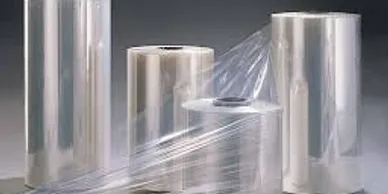
BOPP (Biaxially Oriented Polypropylene) film has become a widely used material in flexible packaging due to its combination of clarity, strength, and lightweight performance. It is commonly applied in food packaging, labeling, lamination, and industrial protection. As sustainability becomes a central focus in the global packaging industry, the role of manufacturers in improving environmental performance has become increasingly important.
Modern packaging is no longer evaluated only on cost and durability, but also on its environmental impact. This shift has encouraged innovation in material design, production efficiency, and recyclability. In this context, many companies now carefully assess different BOPP film manufacturers based on their ability to deliver high-performance films while supporting sustainability goals and reducing environmental footprint.
The Role of BOPP Film in Sustainable Packaging
BOPP film is considered a more sustainable packaging material compared to many traditional alternatives because it is lightweight and requires fewer raw materials. Its durability also helps reduce packaging waste by minimizing product damage during transportation.
Key sustainability advantages include:
- Lightweight structure reduces material consumption
- High durability lowers packaging waste from product damage
- Recyclable polypropylene base material
- Efficient production processes compared to heavier packaging materials
These characteristics make BOPP film an important component in the shift toward more environmentally responsible packaging systems.
Material Efficiency and Resource Reduction
One of the main contributions of manufacturers to sustainability is improving material efficiency. By producing thinner yet stronger films, less raw material is required without compromising performance.
Manufacturers achieve this through:
- Advanced biaxial orientation processes
- High-precision extrusion technology
- Improved polymer formulation techniques
- Optimization of film thickness without performance loss
This reduction in material usage directly lowers resource consumption and environmental impact throughout the product lifecycle.
Energy-Efficient Manufacturing Processes
Sustainability in BOPP film production is not limited to the final product but also includes the manufacturing process itself. Modern production facilities are increasingly focused on reducing energy consumption and emissions.
Key improvements include:
- Energy-efficient extrusion systems
- Heat recovery and recycling systems
- Automated process control to reduce waste
- Reduced production downtime and material loss
These advancements help lower the carbon footprint associated with film production while improving operational efficiency.
Recyclability and Circular Economy Integration
BOPP film is made from polypropylene, a thermoplastic material that can be recycled under appropriate systems. This makes it more compatible with circular economy models compared to multi-material packaging structures that are difficult to separate.
Sustainability benefits include:
- Compatibility with recycling streams in many regions
- Potential for reuse in non-food packaging applications
- Reduction of landfill waste when properly collected
- Support for mono-material packaging design trends
Manufacturers are increasingly focusing on improving recyclability by avoiding unnecessary multi-layer complexity where possible.
Innovation in Eco-Friendly Film Design
Innovation plays a key role in improving the environmental performance of BOPP film. Manufacturers are investing in research and development to create more sustainable solutions without compromising functionality.
Recent developments include:
- Ultra-thin high-strength films
- Bio-enhanced additive formulations
- Reduced ink and coating consumption designs
- Improved barrier coatings with lower material usage
These innovations help balance performance requirements with environmental responsibility.
Waste Reduction in Production
Reducing production waste is another important area where manufacturers contribute to sustainability. Efficient production lines help minimize scrap rates and improve material utilization.
Common waste reduction strategies include:
- Real-time quality monitoring systems
- Automated defect detection and correction
- Precision-controlled extrusion and stretching
- Recycling of production scrap within manufacturing cycles
These measures reduce overall material loss and improve production sustainability.
Role of End-Use Applications in Sustainability
Sustainability also depends on how BOPP film is used in downstream applications. Its lightweight nature and durability contribute to reducing transportation emissions and improving packaging efficiency.
Applications that support sustainability goals include:
- Lightweight food packaging that reduces transport weight
- Durable labels that extend product lifecycle
- Laminated materials that reduce product damage
- Industrial packaging that minimizes material usage
These applications demonstrate how material design supports broader environmental objectives.
Conclusion
BOPP film plays an important role in advancing sustainable packaging by combining lightweight design, recyclability, and production efficiency. Manufacturers contribute significantly to this progress through innovations in material science, energy-efficient production, and waste reduction strategies.
As global demand for environmentally responsible packaging continues to rise, the role of manufacturers becomes even more critical. Their ability to balance performance with sustainability will shape the future of flexible packaging and support the transition toward a more circular and resource-efficient packaging industry.