
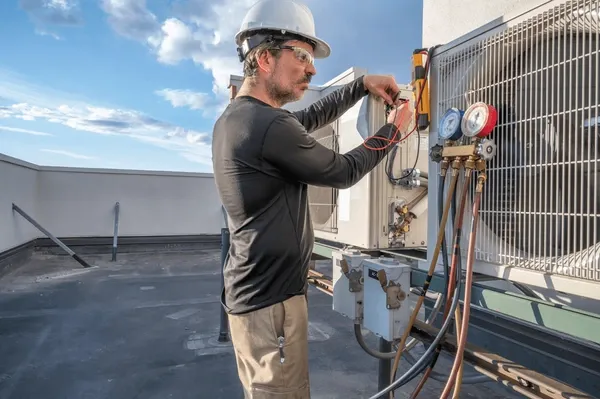
Boilers play a vital role in keeping homes and commercial buildings warm, safe, and comfortable—especially during harsh winter months. When a boiler stops working or starts showing performance issues, most people feel the impact immediately: cold rooms, inconsistent heat, rising energy bills, and even potential safety risks. This is why timely boiler repair and regular boiler maintenance are essential for every property owner.
A well-maintained boiler operates more efficiently, lasts longer, and experiences fewer breakdowns. On the other hand, neglecting small issues can turn a minor repair into a full boiler replacement, costing thousands of dollars. Understanding how boiler systems work, identifying early warning signs, and taking quick action can protect your heating system and ensure dependable performance all year long.
Why Boiler Repair Matters More Than You Think
A boiler is not just another appliance; it’s the core of your home’s heating system. Unlike small HVAC units that handle air circulation, boilers generate heat using either natural gas, oil, or electricity. When something goes wrong, it can affect:
- Overall home comfort
- Energy usage
- Indoor air quality
- Safety of the heating system
- Long-term repair costs
Ignoring minor issues can strain the unit, forcing it to work harder and consume more energy, eventually causing a complete failure. Professional boiler service helps catch early problems before they affect your home or business.
Common Boiler Problems That Require Professional Repair
Boilers are designed to be durable, but they do experience wear and tear over time. Here are some of the most common issues that demand expert attention:
1. No Heat or Insufficient Heat
One of the most obvious signs is when your boiler stops producing heat or takes too long to warm up the rooms. This often indicates thermostat issues, low pressure, or heater component failure.
2. Leaking or Dripping
Water around the base of the boiler is never normal. It could come from faulty valves, corrosion, or internal pump issues.
3. Strange Sounds (Banging, Whistling, Gurgling)
Unusual sounds usually mean mineral buildup, air trapped in the system, or component failure. This is a major warning sign that requires prompt boiler troubleshooting.
4. Boiler Losing Pressure
Low pressure can happen due to leaks, faulty expansion vessels, or bleeding radiators more than necessary.
5. Pilot Light Problems
If the pilot light keeps going out, there could be a gas supply issue or a malfunctioning thermocouple. This is especially common in older gas boiler repair cases.
6. Faulty Thermostats
When your thermostat becomes inaccurate, it causes the boiler to heat inconsistently or not at all.
Benefits of Regular Boiler Maintenance
While emergency boiler repair is sometimes unavoidable, regular tune-ups can greatly reduce the risk of sudden breakdowns. Annual boiler inspection and maintenance offer several key benefits:
✔ Improved Efficiency
A clean, serviced boiler uses less energy, lowering heating costs significantly.
✔ Longer Lifespan
Routine boiler maintenance reduces stress on components, helping your system last years longer.
✔ Fewer Breakdowns
Professional tune-ups catch small issues before they turn into costly repairs.
✔ Better Safety
Boilers involve gas lines, combustion chambers, and pressure systems. Expert servicing ensures everything is operating correctly and safely.
✔ Consistent Heating
A well-maintained boiler heats faster and distributes warmth evenly throughout the property.
Residential vs. Commercial Boiler Repair
Both homeowners and business owners rely on boilers for comfort, but their repair needs differ.
Residential Boiler Repair
Home boilers are typically smaller and easier to maintain but still require annual checkups. Common problems include pressure loss, thermostat failure, and minor leaks.
Commercial Boiler Repair
Commercial buildings often depend on large, high-capacity boilers that run continuously. These systems need more frequent inspection, stronger safety checks, and specialized technicians.
Hiring a skilled boiler technician ensures your specific system—whether oil-based, gas-powered, or electric—is serviced correctly.
When to Consider Boiler Replacement Instead of Repair
While most boiler issues can be fixed, there are situations where replacement becomes the smart, cost-effective choice:
- The boiler is older than 15–20 years
- Repairs are frequent and costly
- Energy bills keep rising
- The boiler struggles to heat your home evenly
- Major internal parts are failing
- Safety issues are becoming more common
A new high-efficiency boiler can reduce heating costs significantly and operate more reliably.
How to Choose the Right Boiler Repair Service
Selecting the right technician is crucial. Look for a company that offers:
- Licensed and certified boiler technicians
- 24/7 emergency boiler repair
- Transparent pricing
- Experience with gas boilers, oil boilers, and hydronic heating systems
- Preventative maintenance programs
- Strong customer reviews
A reliable professional will diagnose problems accurately and ensure safe, long-lasting solutions.
Final Thoughts
Boiler repair isn’t something homeowners or business owners should delay. Whether you’re dealing with leaks, low heat, or strange noises, acting quickly protects your home’s safety, comfort, and energy efficiency. Regular boiler maintenance, thorough inspection, and timely repairs ensure your heating system works flawlessly when you need it most.