
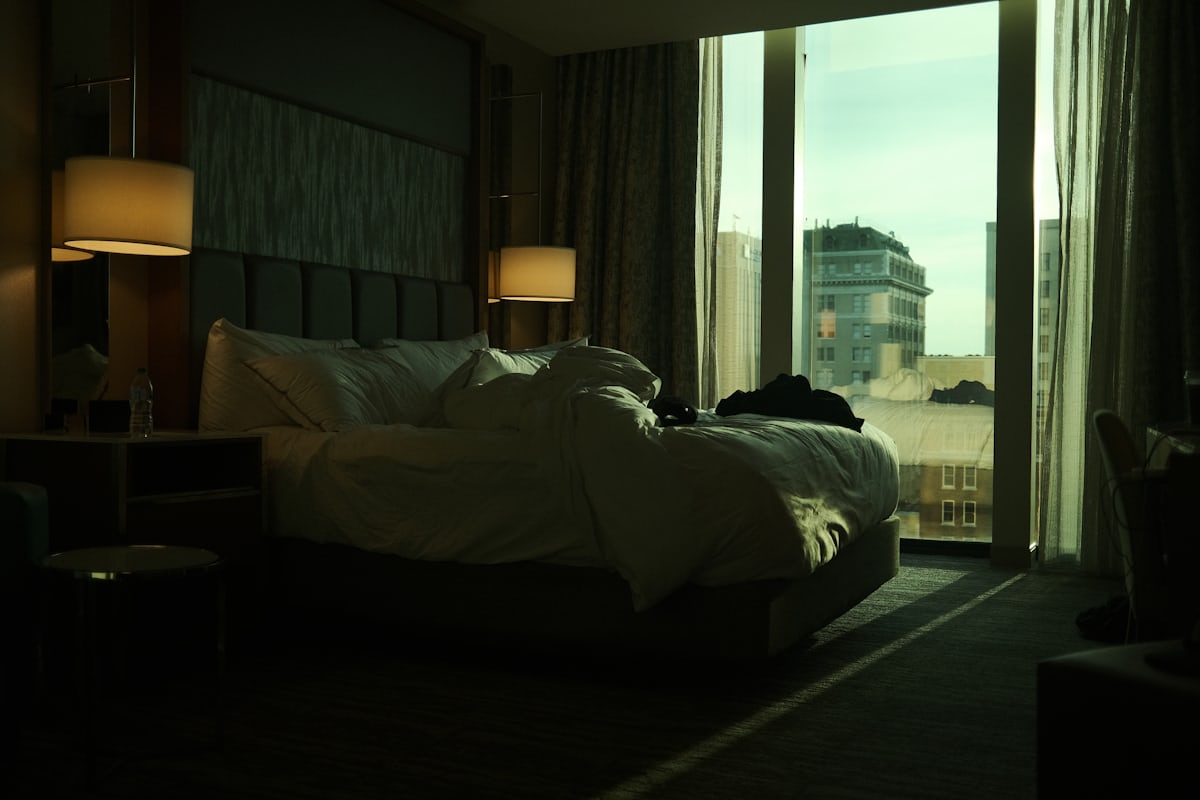
Most people start this decision with the wrong question—which looks better?
The more useful question is: what does this room need to do, at different times of the day?
Blackout and light-filtering curtains aren’t interchangeable. They solve completely different problems. One is about eliminating light. The other is about managing it. Choosing the wrong one doesn’t just affect the look of the room—it affects how comfortable and usable it feels.
Understand the Real Difference
The distinction is practical, not subtle.
Blackout curtains are designed to block light almost entirely. When closed, they create a darkened environment by preventing light from passing through the fabric. This is achieved either through tightly woven materials, special coatings, or added lining.
Light-filtering curtains, on the other hand, allow light to pass through—but soften it. They reduce glare, diffuse harsh sunlight, and create a more even brightness across the room. They don’t provide full darkness, and they’re not meant to.
Once you understand this, the decision becomes less about preference and more about function.
Bedrooms: Where Blackout Actually Matters
Bedrooms are the one place where blackout curtains usually make sense.
If you’re trying to sleep in, reduce early morning light, or create a consistent environment at night, blackout is effective. Bedroom blackout curtains are especially useful in urban settings where streetlights, traffic, or neighbouring buildings introduce unwanted light.
But it’s worth being precise here. Not every bedroom needs full blackout.
If your room doesn’t receive strong direct sunlight, or if you prefer waking up with natural light, heavy blackout curtains can feel excessive. They can make the room feel closed off during the day unless you’re constantly opening and closing them.
A balanced approach is often better—using a lighter fabric with proper lining, or layering with another treatment that allows flexibility.
Living Rooms: Light Matters More Than Darkness
In living rooms, blackout curtains are often overused.
These are daytime spaces. You want light, but you want it controlled. Harsh sunlight can cause glare, especially on screens, but removing light entirely usually makes the room feel flat and underlit.
This is where light-filtering custom curtains perform better. They soften incoming light, reduce contrast, and create a more comfortable environment without darkening the space.
They also allow the room to feel active throughout the day. You don’t need to constantly adjust them—they simply improve the quality of light rather than shutting it out.
Home Offices: Reduce Glare, Not Visibility
In a workspace, the problem isn’t brightness—it’s glare.
Direct sunlight hitting a screen can make working uncomfortable, but complete darkness isn’t helpful either. You still want natural light to keep the space usable and energised.
Light-filtering curtains are the more practical solution here. They cut down harsh light while maintaining visibility. Blackout curtains, unless used selectively, can make the room feel disconnected and overly enclosed during working hours.
Kitchens and Dining Areas: Keep It Functional
These spaces rarely benefit from blackout.
Kitchens and dining areas rely on natural light. Blocking it entirely works against how the space is used. Instead, lighter fabrics that filter light while maintaining brightness are far more appropriate.
They also tend to be more practical—easier to maintain, less heavy, and more in line with the functional nature of these rooms.
Consider How Often You’ll Use Them
This is where real-life usage matters more than theory.
Blackout curtains usually require active use. You’ll open them in the morning, close them at night, and adjust them depending on light levels. If you’re not willing to do that regularly, they can end up staying closed—or staying open—defeating their purpose.
Light-filtering curtains are more passive. They work in the background, improving light conditions without constant adjustment.
If you want something that works without effort, light-filtering is often the easier option.
The Impact on the Room’s Feel
Curtains don’t just control light—they affect how the room feels.
Blackout curtains are heavier. They add visual weight, reduce brightness, and can make a space feel more enclosed. This works in bedrooms or media rooms, but can feel excessive in open, social areas.
Light-filtering curtains keep the room lighter—both visually and physically. They allow space to feel open, even when the curtains are closed.
This isn’t about aesthetics alone. It’s about how comfortable the room is to spend time in.
Where Fabric and Construction Matter
Not all blackout or light-filtering curtains perform equally.
A true blackout curtain depends on construction—lining, weave, and fit. Even small gaps around the edges can let in light, reducing effectiveness. Similarly, a light-filtering curtain needs the right density to soften light without becoming too opaque.
This is where custom curtains often make a difference. The ability to control fabric weight, lining, and proportions ensures the curtain performs as intended—not just in theory, but in your actual space.
You Don’t Always Have to Choose One
In many cases, the best solution is not either-or.
Layering allows you to combine both functions. A lighter, filtering layer can manage daytime light, while a heavier blackout layer takes over when needed. This is especially useful in bedrooms or multi-use spaces. You can also use this opportunity to make an aesthetic statement by pairing patterned curtains with solid sheer curtains.
But layering only works if the room can handle the additional elements. In smaller spaces, it can feel excessive.
Final Thought
This decision isn’t about what looks better—it’s about what works.
If you need darkness, choose blackout. If you need light control without losing brightness, choose light-filtering. If your room needs both at different times, consider how to introduce that flexibility without overcomplicating the space.
Because the right curtain doesn’t just sit on the window.
It changes how the room functions—every single day.