
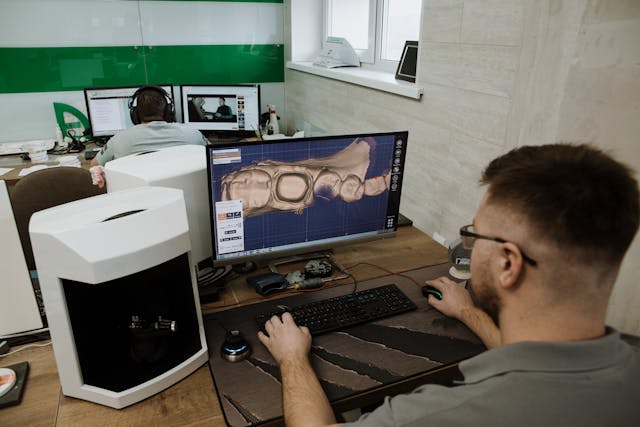
Restoring a smile is often viewed through a purely cosmetic lens, but for those living with tooth loss, the reality is far more mechanical. It’s about the force required to chew, the subtle shifts in speech clarity, and the way facial muscles rely on dental structure to maintain their shape. While general dentistry covers a vast array of health needs, the highly specialized nature of removable prosthetics requires a different level of engineering. This is why the specific expertise found in a denture clinic has become the benchmark for patients seeking a result that feels like a natural extension of themselves rather than a temporary appliance.
When the focus shifts from general maintenance to total reconstruction, the environment in which that care is delivered dictates the long-term success of the restoration.
The Intersection of Biology and Engineering
The traditional approach to dentures often relied on a “one-size-fits-most” philosophy, which frequently resulted in the classic symptoms of a poor fit: slipping, clicking, and persistent gum irritation. Modern clinical practices have moved away from this, adopting a bespoke model that prioritizes individual oral topography.
A dedicated denture clinic utilizes high-impact, heat-cured acrylics and biocompatible alloys like cobalt-chrome. These materials are selected not just for their resilience, but for their ability to be molded with extreme precision. This ensures that the prosthetic mimics the natural suction of the palate and the specific ridges of the gum line, providing stability that allows for a much more varied and nutritious diet.
Supporting Facial Architecture
One of the most significant, yet frequently ignored, impacts of tooth loss is the gradual collapse of the lower facial structure. Without the support of teeth and the stimulation of the jawbone, the distance between the nose and the chin can shorten, leading to a “sunken” appearance and premature aging.
A skilled clinician focuses on the “vertical dimension” of a patient’s profile. By meticulously calculating the height and positioning of the teeth, they can restore the structural scaffold that supports the lips and cheeks. This isn’t just about a pretty smile; it’s about recalibrating the entire facial harmony to reflect a more youthful and functional anatomy.
The Dynamic Nature of the Oral Environment
It is a common misconception that once a set of teeth is fitted, the work is complete. However, the human mouth is a dynamic environment. Through a process known as bone resorption, the jaw gradually changes shape over time. This is why a prosthetic that felt perfect three years ago may begin to feel loose today.
Regular maintenance at a denture clinic is essential to account for these biological shifts. Through a process called relining, the clinician adds a new layer of base material to the prosthetic to mirror the current shape of the gums. This proactive adjustment prevents the discomfort and social anxiety that come with an unstable fit, ensuring the appliance remains functional for its entire lifespan.
Hygiene, Longevity, and Professional Care
While prosthetic teeth cannot develop cavities, they are prone to biofilm and tartar buildup, just like natural enamel. If left unmanaged, this can lead to “denture stomatitis”—a fungal infection that causes chronic redness and soreness.
Professional-grade cleaning and integrity checks are core components of clinical care:
- Ultrasonic Cleaning: Using high-frequency vibrations to remove microscopic bacteria that household brushes cannot reach.
- Integrity Screening: Identifying microscopic stress fractures in the material before they turn into a complete break.
- Soft Lining Solutions: Providing a cushioned barrier for patients with particularly thin or sensitive gum tissue.
Choosing a Path to Confidence
Investing in your smile is an investment in your overall quality of life. The psychological freedom of knowing your teeth will stay in place during a conversation or a meal is invaluable.
When selecting a denture clinic, look for a partnership that prioritizes education and follow-up care. The “adjustment phase” is a collaborative effort between the patient and the clinician, and having a dedicated team to guide those millimetric tweaks is what ultimately separates a functional prosthetic from a life-changing one. By treating your oral health as a long-term project rather than a one-time purchase, you ensure a future where you can focus on your life, not your teeth.