
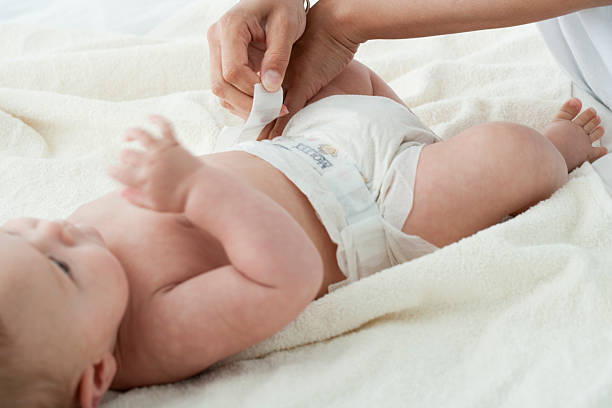
Diaper rash is one of the most common problems parents face during the early stages of baby care. Since a baby’s skin is extremely delicate, even small irritation from wet diapers, sweat, or friction can lead to redness and discomfort. The good thing is that with proper hygiene and a few natural care methods, diaper rash can often be prevented at home.
What are the best ways to prevent diaper rash naturally at home?
We have list down some of the best ways to treat and prevent diaper rash naturally at home. Here’s the list:
Keep the Diaper Area Clean and Dry
Moisture is one of the biggest reasons behind diaper rash. Wet diapers left for too long may irritate sensitive skin and create discomfort for babies.
Changing diapers regularly and gently cleaning the diaper area with lukewarm water or soft wipes can help reduce irritation. After cleaning, always pat the skin dry instead of rubbing it.
Avoid Harsh Baby Products
Some skincare products contain strong fragrances or ingredients that may not suit delicate baby skin. Using gentle and baby-friendly products is generally a safer option for everyday skincare routines.
Parents looking for simple home remedies for baby rash on body: often try natural methods like keeping the skin dry, using breathable fabrics, and following a gentle skincare routine.
Give Your Baby Some Diaper-Free Time
Allowing babies to stay without diapers for a few minutes during the day can help the skin breathe naturally. Fresh air reduces moisture buildup and minimizes friction around the diaper area.
This simple habit can make a noticeable difference for babies who frequently experience rashes.
Use Soft and Breathable Clothing
Tight diapers or synthetic fabrics may trap heat and sweat, which can worsen skin irritation. Soft cotton clothing and properly fitted diapers are usually more comfortable for babies with sensitive skin.
Parents should also avoid overdressing babies during hot weather because excess sweating may trigger skin irritation.
Apply a Gentle Protective Cream
Many parents use a mild rash cream to create a protective barrier between the diaper and the skin. This may help reduce irritation caused by wetness and rubbing.
Consistency is important. Applying a thin layer during diaper changes can help support healthy baby skin over time.
Change Diapers More Frequently During Summer
Hot weather can increase sweating and moisture buildup inside diapers. During summer months, babies may need more frequent diaper checks to stay comfortable.
Parents should especially monitor redness or irritation during humid weather conditions.
Maintain a Healthy Daily Hygiene Routine
Good hygiene habits play an important role in preventing skin irritation. Simple daily practices like:
- regular diaper changes
- gentle cleaning
- soft towels
- clean clothes
- proper moisturizing
can help maintain soft and healthy baby skin.
Choosing the Right Baby Care Products Matters
Along with healthy hygiene habits, using gentle baby skincare products can also help reduce the chances of irritation and discomfort. Many parents today prefer products specially designed for sensitive baby skin and daily rash protection.
Brands like Mateocare focus on baby skincare routines that support soft, comfortable, and protected skin during everyday diaper use.
Watch for Early Signs of Irritation
Mild redness or slight discomfort can sometimes develop into more severe irritation if ignored. Early care is often the best way to prevent worsening diaper rash.
Parents should pay attention if the baby becomes uncomfortable during diaper changes or shows signs of itching and irritation.
Final Thoughts
Preventing diaper rash naturally at home mostly comes down to maintaining dryness, cleanliness, and a gentle baby skincare routine. Small daily habits can go a long way in keeping babies comfortable and protecting their delicate skin from irritation.
Every baby’s skin is different, so parents should focus on routines and products that feel safe, gentle, and suitable for their child’s everyday care.