
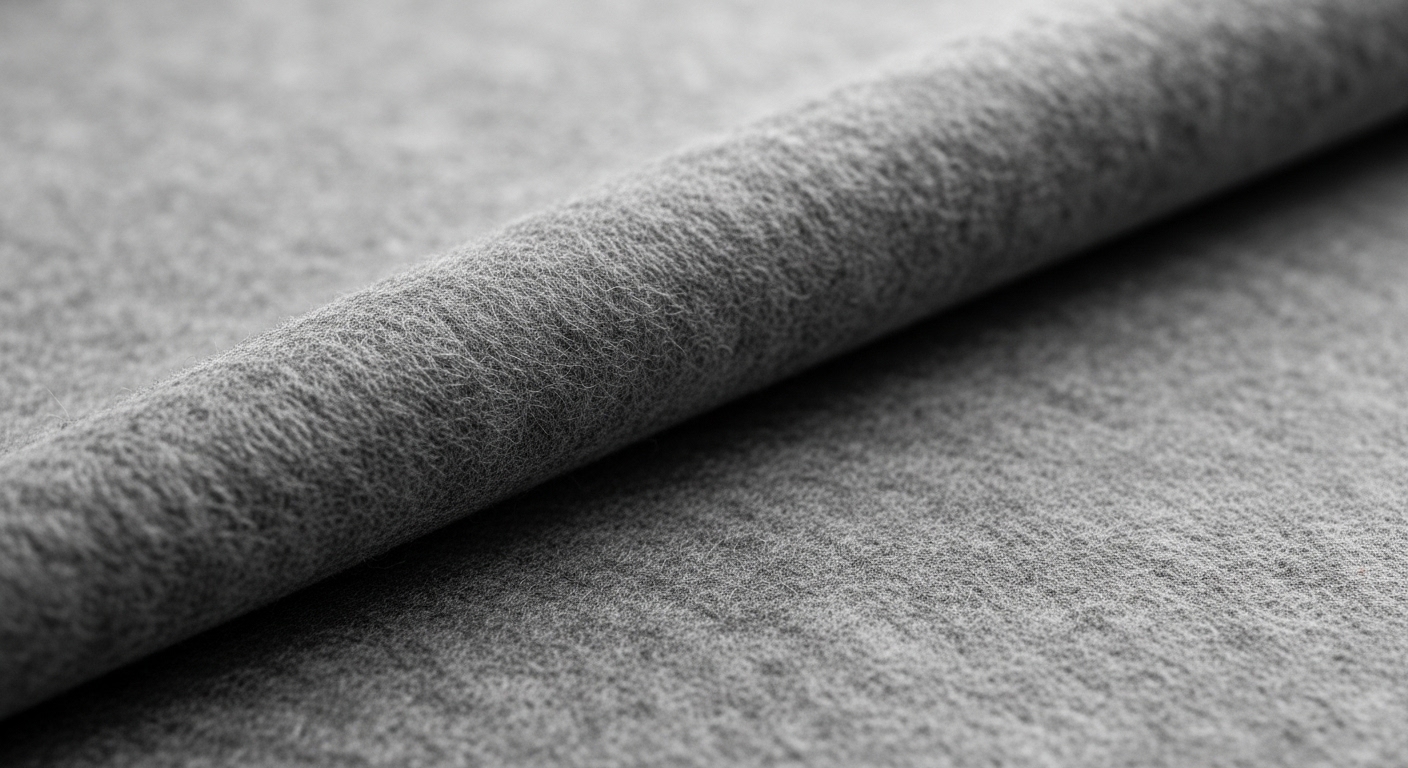
When working with felt fabric, one of the most important decisions you’ll make is choosing the right thickness. Felt is a versatile and widely used material, but not all felt is the same. The thickness you select can affect how your project looks, feels, and performs over time.
Whether you’re crafting, sewing, upholstering, or creating DIY décor, understanding the best thickness of felt fabric for different uses will help you achieve better results. In this guide, we’ll break down everything you need to know about felt thickness and how to choose the right one for your specific project.
What Is Felt Fabric and Why Thickness Matters
Felt fabric is a non-woven textile made by compressing and matting fibers together. It can be made from natural fibers like wool or synthetic fibers such as polyester. Because it doesn’t have a traditional weave, felt is dense, soft, and easy to cut without fraying.
Thickness plays a major role in how felt behaves. Thinner felt is flexible and easy to manipulate, while thicker felt is sturdy and provides structure. Choosing the wrong thickness can lead to poor durability, difficulty in handling, or an unprofessional finish.
That’s why understanding thickness is key when working with felt fabric by the yard or planning bulk purchases like wholesale felt fabric.
Common Felt Fabric Thickness Options
Felt fabric is available in a range of thicknesses, typically measured in millimeters (mm). Each thickness serves a different purpose.
1mm to 1.5mm Felt (Lightweight Felt)
This is the thinnest type of felt fabric and is commonly used for simple craft projects. It is soft, flexible, and easy to cut, making it ideal for beginners.
Lightweight felt works well for:
- Kids’ crafts
- Scrapbooking
- Simple decorations
- Appliqué work
Because it is thin, it may not hold its shape well for projects that require structure or durability.
2mm to 3mm Felt (Medium Weight Felt)
This is one of the most popular choices for general crafting. It provides a balance between flexibility and strength.
Medium weight felt fabric is suitable for:
- DIY home décor
- Soft toys and plushies
- Felt flowers
- Sewing projects
It’s thick enough to hold shape while still being easy to sew or glue. Many crafters prefer this thickness when buying felt fabric by the yard for versatile use.
4mm to 5mm Felt (Heavyweight Felt)
Heavyweight felt is thicker and more durable. It offers excellent structure and is ideal for projects that need stability.
This thickness is commonly used for:
- Bags and accessories
- Coasters and placemats
- Upholstery accents
- Soundproofing panels
Heavy felt fabric is harder to cut and sew compared to thinner options, but it provides a professional and long-lasting finish.
6mm and Above (Extra Thick Felt)
Extra thick felt is used for industrial or heavy-duty applications. It is highly durable and offers strong insulation and cushioning properties.
Applications include:
- Furniture padding
- Flooring protection
- Industrial uses
- Acoustic panels
This type of felt fabric is less common in crafting but essential for functional and structural purposes.
Choosing the Right Felt Fabric for Your Project
Selecting the right felt thickness depends on several factors, including the purpose of your project, durability requirements, and ease of handling.
Craft Projects and DIY Creations
For small crafts, decorations, and school projects, lightweight felt is usually the best choice. It’s easy to cut with scissors and works well with glue.
If your project involves layering or detailed designs, thinner felt fabric allows for more precision.
Sewing and Soft Toys
When making soft toys, plushies, or fabric-based crafts, medium weight felt is ideal. It provides enough thickness to maintain shape while still being easy to sew.
Using felt fabric with moderate thickness also ensures that seams are not too bulky, giving your project a cleaner finish.
Home Décor and Accessories
For items like wall hangings, table mats, and storage baskets, medium to heavyweight felt works best. These projects require durability and structure.
Thicker felt fabric helps maintain the shape of the item and ensures it lasts longer, especially in high-use areas.
Upholstery and Functional Uses
For upholstery projects or protective layers, heavyweight or extra thick felt is recommended. It offers strength, cushioning, and resistance to wear.
This type of felt fabric is also commonly used in furniture padding and insulation applications.
Natural vs Synthetic Felt Thickness Differences
When choosing felt fabric, it’s also important to consider the material, as it can affect thickness and performance.
Wool Felt
Wool felt is made from natural fibers and is known for its softness, durability, and high quality. It often feels denser even at lower thickness levels.
Wool felt fabric is ideal for premium crafts, clothing, and high-end décor.
Polyester Felt
Polyester felt is a synthetic option that is more affordable and widely available. It comes in a variety of thicknesses and colors.
While it may not be as soft as wool, it is durable and suitable for most craft and DIY projects.
Tips for Working with Different Felt Thicknesses
Working with felt fabric becomes easier when you use the right tools and techniques for the thickness you choose.
- Use sharp scissors or rotary cutters for clean edges
- Choose the right needle size when sewing thicker felt
- Consider using fabric glue for lightweight felt projects
- Use clips instead of pins for thick felt to avoid marks
- Test your material before starting large projects
These simple tips can improve your results and make your work with felt fabric more efficient and enjoyable.
Common Mistakes to Avoid When Choosing Felt Thickness
Many beginners make mistakes when selecting felt thickness, which can affect the final outcome of their projects.
One common mistake is choosing felt that is too thin for structural projects. This can lead to items losing shape or wearing out quickly.
Another mistake is using thick felt for detailed designs, which can make cutting and assembling difficult.
It’s also important not to overlook the purpose of the project. Always match the thickness of the felt fabric to the function it needs to serve.
Why Buying Felt Fabric by the Yard Matters
If you’re working on larger projects or multiple items, buying felt fabric by the yard is a practical option. It ensures consistency in thickness and color, which is important for professional-looking results.
For businesses or frequent crafters, wholesale felt fabric can also be cost-effective. It allows you to maintain quality while managing expenses, especially for bulk production.
Matching Felt Thickness with Project Goals
Understanding your project goals is the key to selecting the right felt fabric. Ask yourself:
- Does the project need flexibility or structure?
- Will the item be used frequently or occasionally?
- Do you need a soft or firm texture?
- Is the project decorative or functional?
Answering these questions will guide you toward the correct thickness and ensure your project turns out exactly as planned.
Craft Smarter with the Right Felt Fabric Choice
Choosing the best thickness of felt fabric can make a significant difference in the quality and durability of your projects. From lightweight felt for simple crafts to heavy-duty options for upholstery and functional use, each thickness serves a unique purpose.
Understanding these differences helps you avoid common mistakes and achieve better results, whether you’re working on DIY crafts, home décor, or professional applications.
For high-quality materials and a wide variety of options, Ice Fabrics offers premium felt fabric by the yard and wholesale selections to suit every project need. Their collection ensures you get the right thickness, texture, and durability for any creative or functional application.