
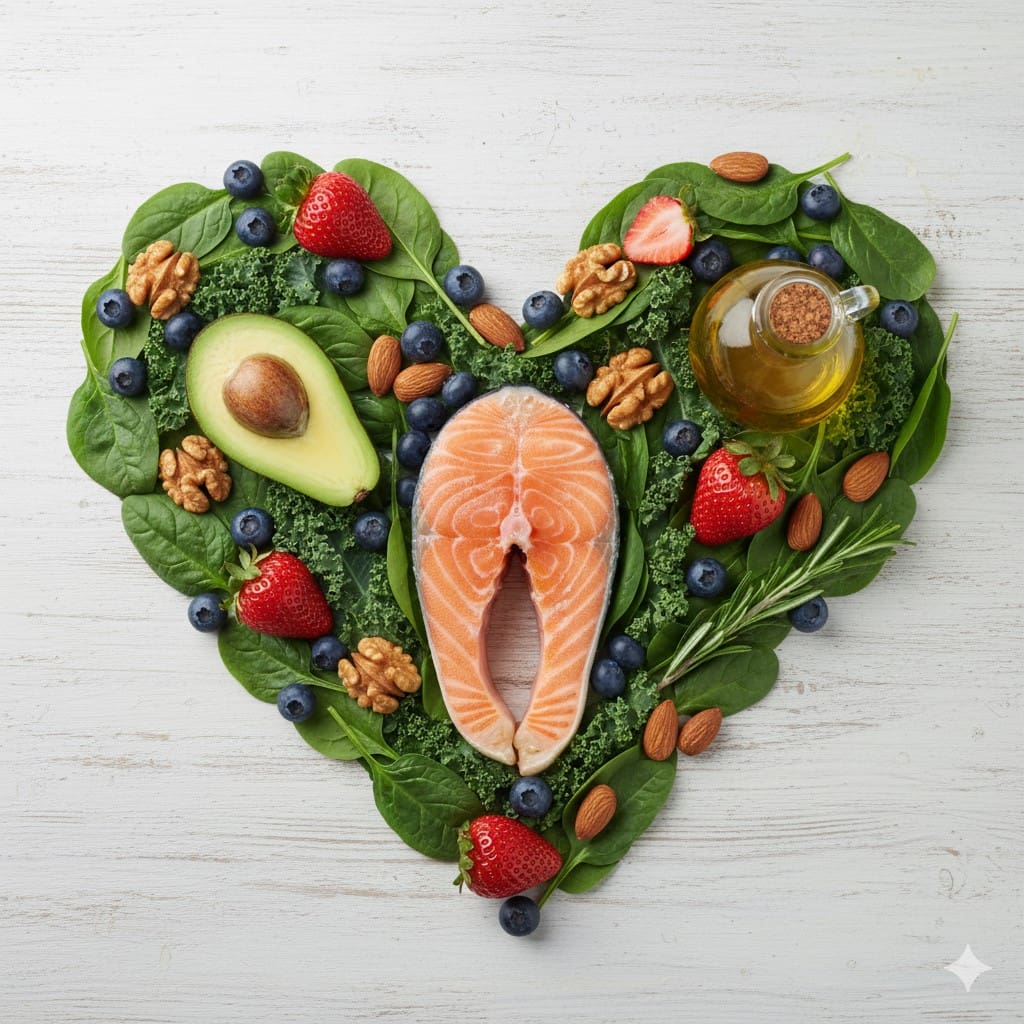
If you’ve recently discovered that your cholesterol levels are higher than they should be, you’re not alone. Nearly 94 million American adults have total cholesterol levels above the recommended range, putting them at increased risk for heart disease and stroke. But here’s the good news: you have more control over your cholesterol than you might think, and it starts with what you put on your plate.
At CuresTalkToday.com, we believe that food is medicine, and when it comes to managing cholesterol, the right diet can be just as powerful as prescription medications for many people. In this comprehensive guide, we’ll explore the best foods to lower cholesterol naturally, explain how they work, and give you practical tips to incorporate them into your daily routine.
Whether you’re looking to prevent heart disease, manage existing high cholesterol, or simply want to optimize your cardiovascular health, this guide will show you exactly which foods deserve a permanent spot on your shopping list.
Understanding Cholesterol: Why Your Diet Matters
Before we dive into the foods that can help, let’s quickly break down what cholesterol actually is and why it’s so important to keep it in check.
Cholesterol is a waxy, fat-like substance that your body needs to build cells and make certain hormones. Your liver produces most of the cholesterol in your body, but you also get some from food. The problem isn’t cholesterol itself—it’s having too much of the wrong kind.
There are two main types you need to know about:
LDL (Low-Density Lipoprotein) – Often called “bad” cholesterol, high levels of LDL can lead to plaque buildup in your arteries, increasing your risk of heart attack and stroke. Think of LDL as the delivery trucks that drop off cholesterol throughout your body—too many trucks cause traffic jams in your arteries.
HDL (High-Density Lipoprotein) – Known as “good” cholesterol, HDL actually helps remove excess cholesterol from your bloodstream and transports it back to your liver for disposal. HDL is like the cleanup crew that keeps your arteries clear.
The foods you eat directly impact these cholesterol levels. Certain foods help reduce LDL cholesterol while boosting HDL, and incorporating them into your diet is one of the most effective strategies for protecting your heart.
Image Suggestion: Simple infographic showing LDL vs. HDL cholesterol with visual metaphors (clogged pipe vs. clean pipe).
The Top 10 Foods That Lower Cholesterol Naturally
Now let’s get to the heart of the matter—literally. These scientifically proven foods can significantly reduce your cholesterol levels when eaten regularly as part of a balanced diet.
1. Oats and Oatmeal: Your Breakfast Superstar
Starting your day with a bowl of oatmeal might be the single best dietary change you can make for your cholesterol. Oats are packed with a type of soluble fiber called beta-glucan, which acts like a sponge in your digestive system, soaking up cholesterol before it can enter your bloodstream.
Studies show that consuming just 3 grams of beta-glucan daily—found in about 1.5 cups of cooked oatmeal—can lower LDL cholesterol by 5-10% within a few weeks. Add some fresh berries and a handful of walnuts to your morning oats, and you’ve created a cholesterol-fighting powerhouse breakfast.
Pro tip: Steel-cut oats and old-fashioned rolled oats contain more fiber than instant varieties, making them the better choice for cholesterol management.
2. Fatty Fish: Omega-3 Rich Seafood
Salmon, mackerel, sardines, and trout aren’t just delicious—they’re loaded with omega-3 fatty acids that work wonders for your cardiovascular health. While omega-3s don’t directly lower LDL cholesterol, they reduce triglycerides (another type of blood fat), decrease blood pressure, and significantly lower your risk of heart disease.
The American Heart Association recommends eating at least two 3.5-ounce servings of fatty fish per week. If you’re not a fan of fish, consider talking to your doctor about fish oil supplements, though whole food sources are always preferable.
Cooking tip: Bake, grill, or broil your fish instead of frying to avoid adding unhealthy fats that counteract the benefits.
3. Nuts: Small But Mighty Cholesterol Fighters
Almonds, walnuts, pistachios, and other nuts are nutritional powerhouses when it comes to heart health. They’re rich in monounsaturated fats, plant sterols, fiber, and omega-3 fatty acids—all compounds that help lower LDL cholesterol and reduce inflammation in your arteries.
Research shows that eating about 1.5 ounces (a small handful) of nuts daily can reduce LDL cholesterol by approximately 5%. Walnuts are particularly beneficial because they contain high levels of alpha-linolenic acid, a plant-based omega-3.
Important note: While nuts are incredibly healthy, they’re also calorie-dense. Stick to a small handful per day, and choose raw or dry-roasted varieties without added salt or sugar.
4. Beans and Legumes: Fiber-Packed Protein
Chickpeas, lentils, black beans, kidney beans—all legumes are excellent sources of soluble fiber that helps reduce cholesterol absorption in your digestive tract. They’re also rich in plant-based protein, making them a perfect replacement for red meat, which is often high in saturated fat.
One study found that eating just half a cup of cooked beans daily for six weeks lowered LDL cholesterol by an average of 5%. Plus, beans are incredibly versatile and budget-friendly, making them an easy addition to soups, salads, tacos, and grain bowls.
Recipe idea: Try adding chickpeas to your lunch salad or making a hearty lentil soup for dinner.
Image Suggestion: Grid layout showcasing colorful varieties of beans, legumes, and lentils with labels.
5. Avocados: Creamy Heart-Healthy Fats
Rich in monounsaturated fats, avocados help lower LDL cholesterol while maintaining or even increasing HDL levels. They’re also packed with fiber, potassium, and antioxidants that support overall cardiovascular health.
A recent study published in the Journal of the American Heart Association found that eating one avocado daily significantly reduced LDL cholesterol in people who were overweight or obese. While avocados are calorie-dense like nuts, incorporating them into your diet in moderation can provide substantial heart health benefits.
Serving suggestion: Spread mashed avocado on whole-grain toast, add slices to salads, or blend into smoothies for extra creaminess.
6. Olive Oil: Liquid Gold for Your Heart
Extra virgin olive oil is a cornerstone of the Mediterranean diet, which is widely recognized as one of the healthiest eating patterns for preventing heart disease. The monounsaturated fats and polyphenol antioxidants in olive oil help reduce LDL oxidation—the process that makes cholesterol more likely to form plaques in your arteries.
For best results, use extra virgin olive oil (which contains more antioxidants than refined varieties) and aim for about 2 tablespoons daily. Use it for salad dressings, drizzle it over cooked vegetables, or use it in place of butter for cooking.
Important: While olive oil is healthy, it’s still high in calories (about 120 per tablespoon), so measure your portions if you’re watching your weight.
7. Berries: Antioxidant-Packed Sweet Treats
Strawberries, blueberries, raspberries, and blackberries are loaded with soluble fiber and antioxidants called anthocyanins, which help reduce LDL cholesterol and protect against oxidative stress. They’re naturally sweet, low in calories, and incredibly versatile.
Research shows that eating just one cup of berries daily can help improve cholesterol levels and reduce inflammation markers associated with heart disease. Fresh berries are ideal, but frozen varieties retain most of their nutrients and are often more budget-friendly.
Snack idea: Add berries to your morning oatmeal, blend them into smoothies, or enjoy them as a naturally sweet dessert.
8. Dark Leafy Greens: Nutrient-Dense Vegetables
Kale, spinach, collard greens, and other dark leafy vegetables are excellent sources of lutein and other antioxidants that help prevent cholesterol from oxidizing and forming arterial plaques. They also contain fiber and are naturally very low in calories.
While greens alone won’t dramatically lower your cholesterol numbers, they play an important supporting role in a heart-healthy diet. Aim for at least one serving of leafy greens daily—whether raw in salads or cooked as a side dish.
Easy preparation: Sauté spinach with garlic and olive oil, add kale to smoothies, or make a simple salad with mixed greens.
9. Whole Grains: Beyond Oatmeal
While oats often steal the spotlight, other whole grains like barley, quinoa, brown rice, and whole wheat also contain soluble fiber that helps lower cholesterol. Barley is particularly effective, containing beta-glucan just like oats.
Replacing refined grains (white bread, white rice, regular pasta) with whole grain alternatives can reduce your risk of heart disease by up to 30%. Look for products that list whole grains as the first ingredient and aim for at least three servings daily.
Simple swap: Choose brown rice instead of white, whole-grain bread instead of white bread, and whole wheat pasta instead of regular pasta.
10. Soy Foods: Plant-Based Protein Power
Tofu, edamame, soy milk, and tempeh contain soy protein that has been shown to modestly reduce LDL cholesterol levels. While the effect is relatively small (about 3-5% reduction), every bit helps when you’re working to improve your numbers.
Soy foods are also excellent sources of plant-based protein, fiber, and healthy fats, making them a smart replacement for higher-saturated-fat animal proteins like red meat and full-fat dairy.
Beginner-friendly option: Start with edamame as a snack, add silken tofu to smoothies, or try soy milk in your morning coffee or cereal.
Image Suggestion: Beautiful food photography showing a balanced meal with several cholesterol-lowering foods: grilled salmon, quinoa, roasted vegetables drizzled with olive oil, and a side salad.
Foods to Limit or Avoid for Better Cholesterol
Just as important as knowing what to eat is understanding what to limit. Certain foods can raise your LDL cholesterol and increase your heart disease risk:
Saturated Fats – Found in red meat, full-fat dairy, butter, and tropical oils (coconut and palm oil). Limit saturated fat to less than 6% of your daily calories.
Trans Fats – Found in many processed baked goods, fried foods, and products with “partially hydrogenated oils” on the label. Avoid these completely if possible.
Refined Carbohydrates and Sugars – White bread, pastries, sugary drinks, and sweets can raise triglycerides and lower HDL cholesterol.
Processed Meats – Bacon, sausage, hot dogs, and deli meats are high in saturated fat and sodium, both of which negatively impact heart health.
Making gradual swaps—like choosing chicken or fish instead of red meat, or snacking on nuts instead of chips—can make a significant difference over time.
Creating Your Cholesterol-Lowering Action Plan
Now that you know which foods to embrace and which to avoid, here’s how to put this knowledge into practice:
Start with breakfast: Make oatmeal with berries and nuts your go-to morning meal at least 3-4 times per week.
Add fish to your rotation: Aim for two servings of fatty fish per week. If you’re new to cooking fish, start with salmon—it’s forgiving and flavorful.
Snack smart: Keep a stash of raw almonds or walnuts for when hunger strikes between meals.
Cook with olive oil: Replace butter and other cooking fats with extra virgin olive oil whenever possible.
Eat more plants: Fill half your plate with vegetables at lunch and dinner, emphasizing dark leafy greens and colorful options.
Choose whole grains: Make the switch from refined to whole grains gradually—your taste buds will adjust.
Add beans weekly: Incorporate legumes into at least 2-3 meals per week, whether in soups, salads, or as a main dish.
Track your progress: Get your cholesterol checked regularly (typically every 4-6 weeks after making dietary changes) to see how your efforts are paying off.
Image Suggestion: A downloadable meal planning template or shopping list featuring cholesterol-lowering foods, branded with CuresTalkToday.com logo.
Beyond Diet: Lifestyle Factors That Matter
While diet is incredibly powerful, it works best when combined with other heart-healthy lifestyle habits:
Regular exercise helps raise HDL cholesterol and can lower LDL. Aim for at least 150 minutes of moderate aerobic activity per week.
Maintain a healthy weight – Losing even 5-10% of your body weight can improve cholesterol levels if you’re overweight.
Don’t smoke – Smoking lowers HDL cholesterol and damages blood vessels, multiplying your cardiovascular risk.
Manage stress – Chronic stress can negatively impact cholesterol levels and overall heart health.
Get quality sleep – Poor sleep is associated with higher LDL cholesterol and increased heart disease risk.
For more guidance on holistic heart health, visit CuresTalkToday.com for additional resources and expert advice.
Frequently Asked Questions
How quickly can diet lower cholesterol?
Most people start seeing improvements in their cholesterol levels within 3-6 weeks of making consistent dietary changes. However, the timeline varies depending on your starting levels, genetics, and how strictly you follow a heart-healthy eating pattern. For the best results, combine dietary changes with regular exercise and aim to reassess your levels with your doctor after 2-3 months.
Can I eat eggs if I have high cholesterol?
Yes, for most people, eating up to 7 eggs per week is perfectly safe and won’t significantly impact blood cholesterol levels. Recent research shows that dietary cholesterol (from foods like eggs) has less effect on blood cholesterol than saturated and trans fats do. However, if you have diabetes or existing heart disease, talk to your doctor about appropriate egg consumption for your specific situation.
What’s the #1 best food for lowering cholesterol?
Oats and oatmeal take the top spot due to their high content of beta-glucan, a soluble fiber that effectively reduces LDL cholesterol. Eating just 1.5 cups of cooked oatmeal daily can lower LDL by 5-10% within weeks. That said, the best approach is eating a variety of cholesterol-lowering foods rather than relying on just one, as different foods work through different mechanisms to protect your heart.
Are cholesterol-lowering foods effective if I’m already taking statins?
Absolutely! Heart-healthy foods complement statin medications and can enhance their effectiveness. People who combine cholesterol-lowering medications with a healthy diet often achieve better results than those who rely on medication alone. Plus, a nutritious diet provides additional benefits like improved blood pressure, reduced inflammation, and better weight management that medications alone can’t provide. Just avoid grapefruit if you’re taking certain statins, as it can interfere with how your body processes the medication.
How much can diet really lower cholesterol compared to medication?
Diet can be surprisingly powerful! Comprehensive dietary changes—including increasing soluble fiber, adding plant sterols, eating fatty fish, and reducing saturated fat—can lower LDL cholesterol by 10-30%, which is comparable to low-dose statin therapy for many people. The “Portfolio Diet,” which combines specific cholesterol-lowering foods, has been shown to reduce LDL by up to 30% in some studies. However, people with very high cholesterol (especially genetic conditions) or existing heart disease typically need medication in addition to lifestyle changes. Work with your healthcare provider to determine the best approach for your individual needs.
Take Control of Your Cholesterol Today
Lowering your cholesterol doesn’t have to mean giving up all your favorite foods or following a restrictive diet. By incorporating more of these heart-healthy foods into your daily routine and gradually reducing foods high in saturated and trans fats, you can make meaningful improvements in your cholesterol levels and overall cardiovascular health.
Remember, small changes add up. You don’t need to overhaul your entire diet overnight. Start with one or two changes this week—maybe swap your morning toast for oatmeal, or add a handful of walnuts to your afternoon snack. Next week, add another positive change. Before you know it, these healthy habits will become second nature.
Your heart will thank you for every cholesterol-lowering food you add to your plate. For more evidence-based health guidance, recipes, and tips for managing chronic conditions naturally, visit us at CuresTalkToday.com. Your journey to better heart health starts with a single meal—make it count.
About CuresTalkToday.com: We’re dedicated to providing evidence-based health information that empowers you to take control of your wellness naturally. From heart health to nutrition and chronic disease management, our expert guides help you make informed decisions about your health.
Disclaimer: This article is for informational purposes only and should not replace professional medical advice. Always consult with your healthcare provider before making significant dietary changes or if you have concerns about your cholesterol levels.
