
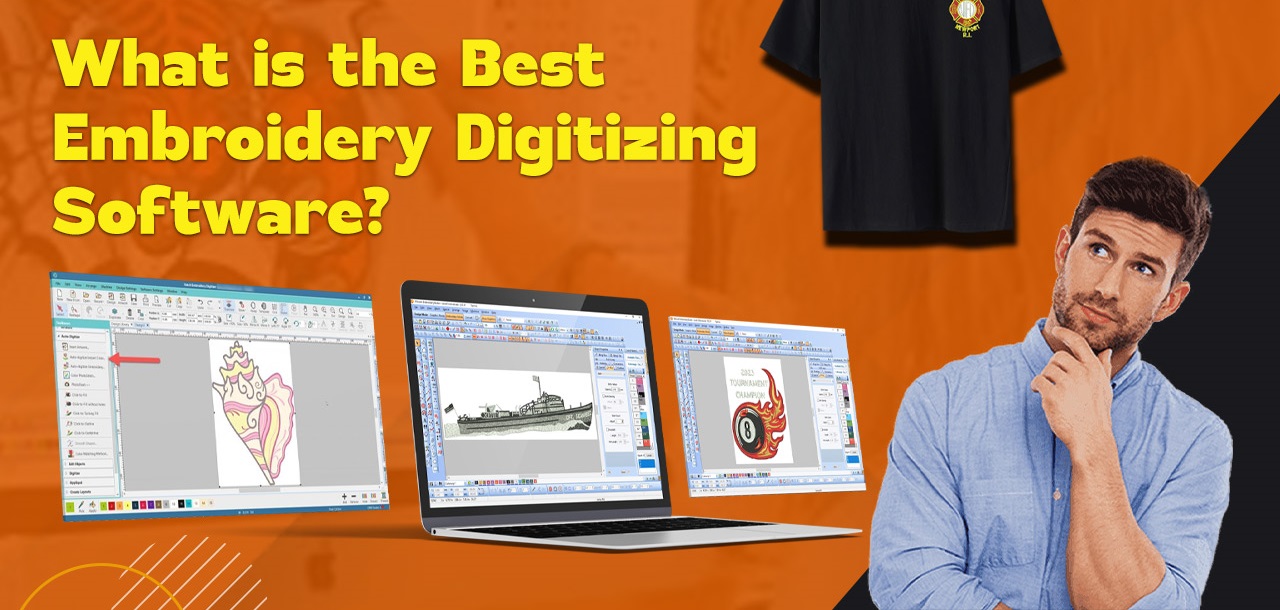
If you love turning artwork into beautiful stitched designs, finding the best embroidery digitizing software makes all the difference. In 2026, options have evolved with smarter tools, faster processing, and features that suit everyone from curious beginners to seasoned pros. Whether you run a small home business or just enjoy personalizing gifts, the right program helps you create clean, high-quality embroidery files that stitch out smoothly on your machine.
The best embroidery digitizing software today balances ease of use with powerful capabilities. Modern programs handle everything from basic lettering to complex photo stitches, while offering better previews and compatibility with popular embroidery machines. You no longer need to guess how a design will look — real-time simulations show stitch density, pull compensation, and more before you even load the hoop.
Why Embroidery Digitizing Software Matters in 2026
Digitizing turns images or vector art into stitch instructions your machine understands. Without good software, you waste time fixing puckering, thread breaks, or uneven fills. Today’s top tools use advanced algorithms to automate tricky parts while giving you full manual control when needed.
Casual hobbyists benefit from intuitive interfaces that guide them step by step. Professionals appreciate features like batch processing, custom stitch libraries, and seamless integration with design software. As embroidery grows in popularity for fashion, home decor, and branding, having reliable digitizing software keeps your projects efficient and profitable.
Choosing the Right Software for Your Skill Level
Picking the best embroidery digitizing software starts with knowing where you stand. Beginners want simple auto-digitizing and tutorials. Intermediate users need editing tools and effects. Experts demand precision controls and speed for high-volume work. Consider your budget, computer setup, and the types of designs you create most often.
Best Options for Beginners
New to digitizing? Start with user-friendly programs that minimize frustration. Look for software with one-click auto-trace features, built-in fonts, and strong visual previews. These tools often include wizards that walk you through converting a simple logo or clipart into stitches.
Beginner-friendly software usually supports common file formats like DST, PES, and EXP. Many offer free trials so you can test compatibility with your machine. Focus on programs with helpful communities, video guides, and low learning curves. You will quickly learn basics like stitch types — running, satin, and fill — without feeling overwhelmed.
Expect features such as automatic underlay, density adjustment, and easy resizing. These prevent common mistakes and help your first projects look professional. In 2026, even entry-level options include 3D previews that simulate fabric texture and thread shine.
Solid Choices for Intermediate Users
Once you feel comfortable with basics, step up to software that offers more creative freedom. Intermediate tools let you manually adjust paths, combine elements, and experiment with special effects like appliqué or 3D puff.
At this level, prioritize programs with robust editing capabilities. You want to tweak individual stitches, create custom motifs, and manage color layers efficiently. Good options include powerful lettering tools for monograms and the ability to import designs from other sources for modification.
Look for features like stitch-to-stitch editing, hole compensation, and sequencing controls. These help optimize designs for faster stitching and better results on different fabrics. Intermediate software often supports layering multiple design elements, making complex compositions easier to manage.
Advanced Software for Professionals
Pros need high-end tools that handle intricate details and large-scale production. Professional-grade embroidery digitizing software delivers precise control over every aspect of the design. Expect advanced features such as multi-needle sequencing, realistic 3D rendering, and integration with industrial machines.
Top professional solutions excel in speed and accuracy. They handle high-density stitching for detailed logos, variable pull compensation for stretchy materials, and automated quality checks. Many include extensive font collections and tools for creating your own embroidery fonts.
For commercial work, seek batch digitizing, design archiving, and export options tailored to client needs. These programs save hours on repetitive tasks while maintaining the highest stitch quality. In 2026, AI-assisted features help suggest optimal stitch directions and reduce manual adjustments significantly.
Key Features to Look for in 2026
When evaluating the best embroidery digitizing software, keep these essentials in mind:
- Auto-Digitizing Tools: Quickly convert images to stitches, with options to refine results.
- Manual Digitizing Controls: Full path editing for custom work.
- Preview and Simulation: Real-time views of how designs will stitch.
- File Compatibility: Support for your embroidery machine formats.
- Stitch Effects: Options for texture, shading, and special techniques.
- Performance: Fast rendering even on complex designs.
Consider system requirements too. Most modern programs run smoothly on current Windows or Mac setups, but check for graphics card recommendations if you work with photo stitches.
Tips for Getting Started with Digitizing
Practice on simple shapes before tackling detailed artwork. Learn how fabric type affects stitch density — knits need more pull compensation than woven materials. Always test small sections on scrap fabric to dial in settings.
Join online embroidery communities to share files and get feedback. Many software users post tutorials specific to popular programs. Start with free or low-cost options to build skills before investing in premium versions.
Back up your designs regularly and organize them with clear naming conventions. Over time, you will build a personal library of motifs and settings that speed up future projects.
Common Challenges and How to Overcome Them
Digitizing takes patience. Beginners often struggle with density or direction issues that cause poor stitch quality. Good software provides visual warnings and easy adjustment tools to fix these.
Complex designs with many colors require careful planning. Use color reduction features when possible, and group similar elements to streamline the process.
Machine compatibility matters. Always verify that your chosen software exports in the correct format for your model. Most programs include built-in testers to catch issues early.
Future Trends in Embroidery Digitizing Software
In 2026 and beyond, expect more AI integration for smarter auto-digitizing and fabric-specific recommendations. Cloud collaboration features will let teams work on designs together remotely. Improved mobile previews might even let you check designs on your phone before stitching.
Sustainability tools could suggest thread usage optimization to reduce waste. Virtual reality previews might let you see designs on garments in 3D space. The industry continues evolving to make professional results accessible to more creators.
When to Consider Professional Help
Not every project requires you to digitize yourself. For time-sensitive or highly detailed work, services like Needle Digitizing can deliver excellent results quickly. They handle complex logos and custom orders, freeing you to focus on production and sales. Use them strategically while building your own skills with software.
Conclusion
Finding the best embroidery digitizing software in 2026 opens up endless creative possibilities. Whether you choose beginner tools for quick starts, intermediate options for growth, or professional suites for precision, the right program matches your needs and skill level. Take time to explore demos, watch tutorials, and practice consistently.
Your embroidery projects will improve dramatically with quality digitizing tools. Start simple, stay curious, and watch your designs come to life beautifully on fabric. The perfect software awaits — one that makes the process fun, efficient, and rewarding for years to come. Dive in today and elevate your embroidery game to new heights.
