

“We ought to be lifelong learners. We ought to be prepared and eager to absorb knowledge from every experience. Learning must be linked to the fundamentals of life.”
— Narendra Modi (Prime Minister of India)
The Changing Face of Indian Education
India has an extensive heritage of knowledge sharing. An educational institution known as the “gurukul” existed in ancient India, where students (shishya) lived in the same home as the guru. The world’s oldest university system is found in Nalanda. Indian knowledge systems drew students from all around the world. Later, though, the British instituted the modern system of education that is still practiced in India. English methods replaced the nation’s age-old education system.
Since then, the education sector in India has undergone significant transformation. It is considered to be a recession-proof investment. Despite economic changes, students continue to learn, and they rely upon educators and school officials to maintain order. This covers both K-12 and postsecondary education. Private schools are growing in Tier II and Tier III cities due to their less congested marketplaces and more affordable real estate.
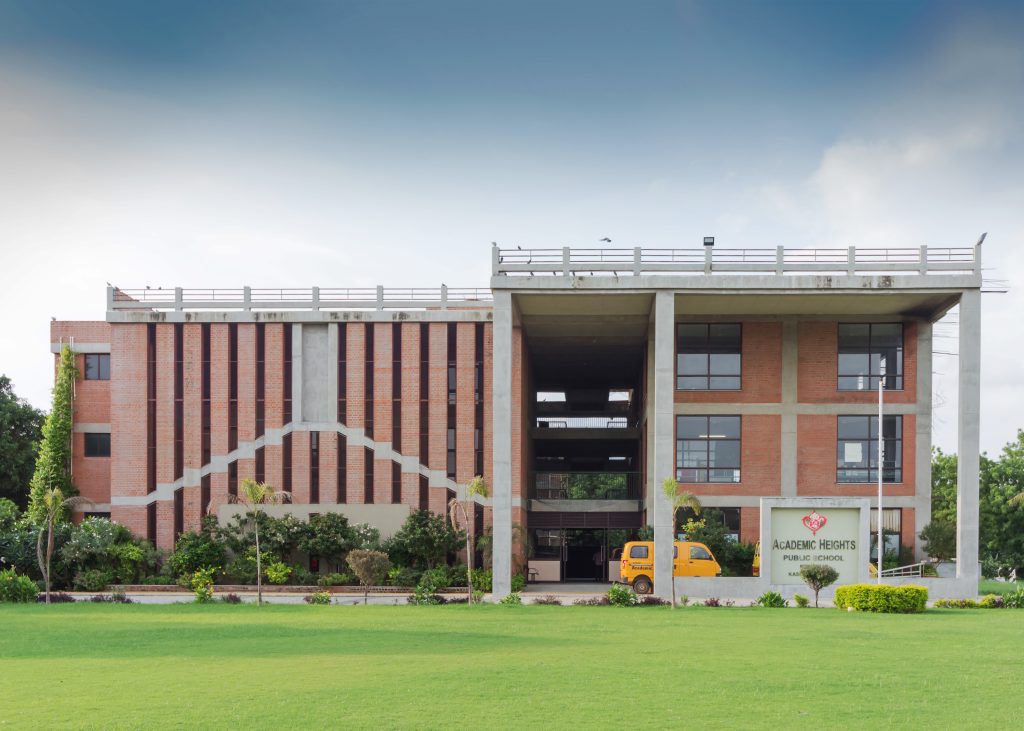
The franchised models (CBSE, ICSE, international curricula, preschools, and vocational) are expanding, assisting with teacher training and a standardized brand appeal. As one of the best CBSE school franchises, Academic Heights Public School (AHPS), is not just growing but also changing what high-quality education in India means. With 120+ branches across the country, India possesses one of the biggest K-12 educational systems in the world. The curriculum at AHPS is meticulously aligned with the National Education Policy (NEP) 2020, ensuring that, via experiential learning and smart tech integration, children will receive an education that is ready for the future.
This is in line with larger national initiatives to raise the standard and infrastructure of education. The Ministry of Education has been given Rs. 1,28,650 crore for 2025–2026. This is a 13% rise over the revised estimates of the 2024–2025 projections. The substantial increase in funding is evidence of the Indian government’s ongoing dedication to strengthening the educational system at all levels.
Tech Integration and Holistic Education: AHPS
This change is being echoed by progressive education leaders at the institutional level. In a conversation with Times Business News, Mr. Ajay Gupta, founder of AHPS, discusses the evolution of the education industry. “Tech integration is one of the most significant developments in the field of education. Additionally, holistic education is becoming more and more popular these days. We had no trouble adjusting to these changes because the core of AHPS is based on these two elements, which are essential to high-quality education: tech integration and holistic education.”
His perspective reflects a larger shift in the role of schools today. Today’s schools are dynamic ecosystems that foster creativity, emotional intelligence, and practical skills in addition to being places for academic learning. This change is reflected in the AHPS Franchise Model, which provides a flexible way of providing high-quality, future-ready education nationwide with a solid foundation in tech integration and holistic education.