

If you train hard 4–6 days per week, you already know this:
Progress isn’t limited by how hard you work.
It’s limited by how well you recover.
Sore joints. Heavy legs. Slower sprint times. That mid-week fatigue that makes your Thursday
session feel like a grind.
That’s where astaxanthin comes in to make a difference.
What Is Astaxanthin and Why Athletes Are Using It for
Performance & Recovery
Astaxanthin is a well-researched antioxidant that athletes increasingly use to support
performance and recovery. Studies in resistance training, endurance sports, and combat
disciplines suggest it may help reduce exercise-induced inflammation, improve endurance
efficiency, and lower perceived fatigue.
At a clinically supported dose of around 12 mg per day, astaxanthin has shown measurable
benefits in recovery and cardiovascular performance—without interfering with strength
adaptations, unlike some high-dose antioxidants. This 2026 evidence-based review compares
the best astaxanthin supplements based on effectiveness, absorption, ingredient quality, and
overall value for athletic performance.
If recovery is your bottleneck, this guide will help you choose the right formula.
Below is a quick look at our findings:
Summary of Recommendation:
Best Overall: Astadaily All-in-One Astaxanthin
Best Vegan-Friendly Formula: Sports Research Triple Strength Astaxanthin
Best Early Astaxanthin Brand: BioAstin Hawaiian Astaxanthin
Best Single-Ingredient Formula: Natural Factors Astaxanthin
Best Traditional Astaxanthin Formula: Regenurex Astaxanthin
Overall Comparison Table
Brand Astax
anthin
Dose
Cultivation
Method
Extraction
Method
Formula
Highlight
Rating Best For
Astadaily
All-in-One
12 mg Closed
Bioreactor
Supercritica
l CO2
9-in-1 formula:
Lutein esters,
zinc, blueberry
extract,
resveratrol, fish
4.9/5 Best Overall
oil, biotin,
vitamin C & E
Sports
Research
12 mg Tubular
Photoreact
or
Supercritica
l CO2
Single-ingredient 4.7/5 Best
Vegan-Friendly
Formula
Nutrex
Hawaii
BioAstin
12 mg Open
Raceway
Pond
Supercritica
l CO2
Single-ingredient 4.6/5 Best Early
Astaxanthin
Brand
Regenurex 12 mg Not
disclosed
Use
non-harsh
chemical
for
extraction
Single-ingredient 4.5/5 Best Traditional
Astaxanthin
Formula
Natural
Factors
12 mg Not
disclosed
Not
disclosed
Single-ingredient 4.5/5 Best
Single-Ingredie
nt Formula
🥇 1. Best for Overall – Astadaily All-in-One
Rating: 4.9/5 ★★★★★
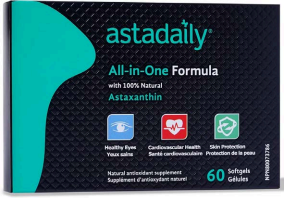
Astadaily All-in-One Astaxanthin
A Canadian-manufactured astaxanthin supplement developed by the scientists from the
University of Toronto. Its comprehensive antioxidant formula combines clinically relevant dosing
with multi-nutrient support and protective packaging, which support vision, skin and overall
wellness.
Strengths
● Complete performance and recovery formulation beyond single antioxidant support
● Includes omega-3, polyphenols, and carotenoids targeting multiple pathways related to
inflammation and oxidative stress
● Microalgae cultivation with solvent-free extraction for controlled purity standards
● Blister packaging for improved stability compared to bottle formats
● Canadian NPN regulated for safety and quality assurance
Consideration
● Astadaily is an all-in-one formula and may not suit those seeking single-nutrient
supplements.
🧬Comment from Coach
👉 Best choice for serious gym athletes / high training load recovery
👉 Ideal for serious trainees who want an all-in-one formula for comprehensive
performance and recovery support.
🥈 2. Best for Vegan User – Sports Research – Triple
Strength Astaxanthin
Rating: 4.7/5 ★★★★☆
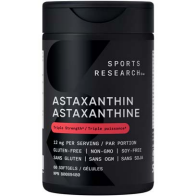
Sports Research Triple Strength Astaxanthin
This brand uses controlled photobioreactor cultivation and CO2 extraction to help ensure purity
and potency. With its simple, performance‐oriented design, the formula is ideal for plant‐based
athletes seeking high‐quality antioxidant support for recovery and endurance.
Strengths
● Uses Algalif® premium algae source for controlled cultivation
● Photobioreactor cultivation with CO2 extraction
● Delivered in organic coconut oil
● vegan-friendly formulation
Consideration
● Single-ingredient formula
● Bottle packaging less protective than blister packaging
🧬Comment from Coach
👉 Probably the best vegan astaxanthin performance supplement
👉 Ideal for lifters needing oxidative recovery support
🥉 3. Best Early Astaxanthin Brand – Nutrex Hawaii –
BioAstin
Rating: 4.6/5 ★★★★☆
BioAstin Hawaiian Astaxanthin
BioAstin Hawaiian Astaxanthin from Nutrex Hawaii is one of the foundational astaxanthin
products on the market, built on decades of experience with natural microalgae cultivation under
Hawaiian sunlight.
Strengths
● One of the earliest global astaxanthin innovators
● Natural sunlight cultivation tradition
● Hawaii-grown supply chain
● Proven reputation among endurance & outdoor athletes
Consideration
● Open pond cultivation = slightly higher contamination risk vs closed reactors
● Uses safflower oil (neutral but not optimal compared with fish oil)
🧬Comment from Coach
👉Good for outdoor athletes, runners, cyclists, and sun exposure recovery
👉 Very reputable long-term brand
- Best Traditional Astaxanthin Formula – Regenurex –
Astaxanthin
Rating: 4.5/5 ★★★★☆
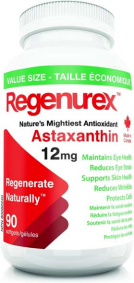
Regenurex Astaxanthin
Regenurex Astaxanthin delivers a high‐potency 12 mg dose with an emphasis on natural
processing and minimal chemical intervention. Its focus on ingredient purity makes it a
compelling choice for health‐conscious users.
Strengths
● High dose with 12 mg astaxanthin
● Uses organic non-GMO carrier oils + MCT
● Focuses on minimal chemical processing
Consideration
● Does NOT use supercritical CO2 extraction
● Less transparency about the cultivation method
🧬Comment from Coach
👉 Good natural-processing option
👉 Suitable for users prioritizing ingredient purity
- Best Single-Ingredient Formula – Natural Factors –
Astaxanthin
Rating: 4.5/5 ★★★★☆ 
Natural Factors Astaxanthin
Natural Factors has a long‐standing reputation for quality, making this formula a solid choice for
athletes who want pure astaxanthin without added nutrients or complexity. It’s easy to stack with
other performance supplements and fits well into streamlined recovery routines.
Strengths
● Straightforward formulation & reliable dosing
● Long-standing supplement company reputation
● Affordable and easy to integrate into stacks
Weaknesses
● Limited transparency on cultivation/extraction
● No performance-enhancing add-ons
🧬Comment from Coach
👉 Safe and trustworthy entry-level athlete choice
👉 Good if you want simple and dependable
🔬 How I Evaluated the Best Astaxanthin Supplements
We ranked astaxanthin supplements using evidence-based sports nutrition standards, focusing
on performance, recovery, quality, and value. Our evaluation considered the following:
- Clinically Effective Dosage
All products in our comparison provide 12 mg of astaxanthin per serving, the dosage most
consistently supported in human clinical research for athletic recovery, oxidative stress
reduction, endurance support, and strength recovery. While lower doses (4–6 mg) may offer
general antioxidant or mild performance benefits, 12 mg is the most evidence-backed level for
meaningful athletic outcomes, which is why we standardized our comparison at this dose. - Absorption & Delivery
Since astaxanthin is fat-soluble, bioavailability depends on oil-based carriers. We favored
formulas using fish oil (EPA/DHA), coconut oil (MCT), safflower oil, or olive oil. Powder-only
forms ranked lower. - Extraction & Purity
Preference was given to products using supercritical CO2 extraction and controlled bioreactor
cultivation to ensure potency, stability, and contaminant-free sourcing. - Ingredient Synergy
Higher scores went to formulas that included complementary nutrients such as omega-3s,
vitamins C & E, polyphenols, lutein, zeaxanthin, or zinc to support multiple recovery pathways. - Manufacturing Quality
We assessed regulatory compliance (e.g., NPN licensing), ingredient transparency, packaging
stability, and overall brand quality control. - Value Per Effective Dose
We compared cost per clinically effective dose, not just bottle price, to reflect true long-term
value for athletes.
What are the Benefits that Astaxanthin Bring to Athletes
- Supports Exercise Performance and Endurance
Research suggests that astaxanthin may improve endurance performance by enhancing oxygen
efficiency and reducing exercise fatigue.
A randomized, placebo-controlled clinical trial involving resistance-trained males found that 4
weeks of astaxanthin supplementation improved exercise efficiency by reducing oxygen
consumption during graded exercise testing. The study also reported reductions in systolic
blood pressure and improved metabolic markers compared to placebo 1
.
Similarly, another human study involving competitive cyclists demonstrated that astaxanthin
supplementation improved endurance performance. Participants taking astaxanthin showed
significant improvements in 20 km cycling time trial performance and increased power
output compared to placebo 2
.
These findings suggest astaxanthin may support cardiovascular efficiency and muscular
endurance during high-intensity exercise.
- Helps Reduce Exercise-Induced Muscle Damage and Inflammation
Intense physical activity often leads to oxidative stress, muscle soreness, and inflammation,
which can slow recovery and reduce training efficiency.
A randomized, double-blind clinical trial evaluating different astaxanthin doses found that 12 mg
daily significantly reduced markers of muscle damage, inflammation, and oxidative
stress following exhaustive exercise. The study also reported improved muscle strength
recovery and reduced perceived muscle soreness compared to placebo 3
.
Notably, the study demonstrated a dose-dependent effect, with moderate supplementation
providing the most consistent functional recovery benefits.
- Enhances Sport-Specific Performance
Beyond laboratory performance markers, research suggests astaxanthin may improve real
athletic movement performance.
A double-blind clinical trial involving competitive Taekwondo athletes found that 4 weeks of
astaxanthin supplementation significantly improved kicking speed, endurance, and
neuromuscular performance compared to placebo. Importantly, these performance
improvements occurred without changes in body composition, indicating functional
performance benefits rather than weight-related effects 4
.
- Acts as a Powerful Antioxidant for Athletic Stress
Exercise increases reactive oxygen species (ROS) production, which can contribute to muscle
fatigue and cellular stress. Astaxanthin is considered one of the most potent naturally occurring
antioxidants and has demonstrated strong free radical scavenging capacity.
Research indicates astaxanthin may help:
● Reduce oxidative stress during exercise
● Protect muscle cells from damage
● Support mitochondrial function
● Improve recovery between training sessions
These properties make astaxanthin particularly valuable for athletes undergoing frequent or
high-intensity training.
Who Should Take Astaxanthin Supplements?
Astaxanthin supplementation may benefit:
● Strength training athletes
● Endurance runners and cyclists
● CrossFit and functional fitness athletes
● Outdoor athletes with high UV exposure
● Individuals seeking anti-inflammatory support
FAQ
Q1: Is astaxanthin actually useful for gym training, or is it
just an antioxidant hype supplement?
Astaxanthin is one of the few antioxidants that has been repeatedly studied in exercise and
athletic populations, not just general health users. Unlike many antioxidants that blunt training
adaptations when overused, astaxanthin appears to support recovery, endurance efficiency,
and inflammation control without negatively affecting strength or performance gains when
taken at moderate doses.
For athletes training multiple times per week, recovery quality often limits progress more than
workout intensity. Astaxanthin helps address that recovery bottleneck.
Q2: What benefits can gym-goers realistically expect
from astaxanthin?
Based on both research and practical use, astaxanthin may help with:
● Reduced muscle soreness after intense training
● Faster recovery between sessions
● Improved endurance and work capacity
● Better joint and connective tissue comfort
● Improved oxygen efficiency during cardio
● Lower perceived fatigue during long workouts
It won’t build muscle directly, but it helps you train harder and recover better, which indirectly
supports gains.
Q3: What is the best astaxanthin dose for athletes?
For most active individuals:
● 6 mg/day → general antioxidant and joint support
● 12 mg/day → optimal dose for athletic recovery and performance
● 24 mg/day → usually unnecessary unless used short-term under guidance
Human clinical trials consistently show 12 mg per day as the most effective balance between
benefits and tolerability for sports performance.
Q4: Should astaxanthin be taken before or after
workouts?
Astaxanthin is not a stimulant or pre-workout, so timing is flexible. However:
● Best taken with a meal containing fat
● Most athletes take it post-workout or with their largest meal
● Daily consistency matters more than timing
Think of astaxanthin as a daily recovery and protection supplement, not a workout booster.
Q5: Does astaxanthin help with muscle growth
(hypertrophy)?
Astaxanthin does not directly increase muscle protein synthesis like creatine or protein.
However, by:
● Reducing inflammation
● Improving recovery speed
● Lowering oxidative damage
It can indirectly support hypertrophy by allowing higher training volume and better session
quality over time.
Q6: Can astaxanthin replace omega-3s or other recovery
supplements?
No — astaxanthin works best alongside other recovery tools.
Ideal stacks often include:
● Astaxanthin (cellular antioxidant)
● Omega-3s (systemic inflammation)
● Creatine (power & strength)
● Adequate protein intake
Some formulas combine astaxanthin with omega-3s for synergistic effects, which can be
convenient for athletes.
Q7: Is astaxanthin safe for long-term use?
Yes. Human clinical trials report astaxanthin as well tolerated even at higher doses. No major
adverse effects have been consistently reported in athletic populations.
For long-term daily use, 12 mg/day is considered a safe and sustainable dose.
Q8: Why is oil-based astaxanthin better than powder
capsules?
Astaxanthin is fat-soluble, meaning absorption depends heavily on dietary fat. Oil-based
formulations significantly improve bioavailability, whereas powder capsules often show weaker
absorption unless taken with a high-fat meal.
From a gym-nutrition standpoint: ➡ Oil-based astaxanthin = better results per mg
Q9: Will astaxanthin interfere with training adaptations
like some antioxidants do?
High doses of certain antioxidants (e.g., excessive vitamin C or E) may blunt training
adaptations. Astaxanthin behaves differently.
At moderate doses (6–12 mg/day), studies do not show impaired strength or performance
adaptations. In fact, improvements in endurance efficiency and recovery are commonly
observed.
Q10: Who benefits most from astaxanthin
supplementation?
Astaxanthin is especially useful for
● Athletes training 4–6+ days per week
● Endurance athletes and HIIT trainers
● Older lifters with slower recovery
● Outdoor athletes (UV & oxidative stress)
● Anyone experiencing excessive soreness or fatigue
For casual gym users training 1–2 times per week, benefits may be more subtle.
Final Verdict: Which Astaxanthin
Supplement Is Best for Athletes in 2026?
All five supplements deliver the clinically supported 12 mg dose, but the right choice depends
on your athletic priorities:
Best Overall: Astadaily All-in-One Astaxanthin
Best Vegan-Friendly Formula: Sports Research Triple Strength Astaxanthin
Best Early Astaxanthin Brand: BioAstin Hawaiian Astaxanthin
Best Single-Ingredient Formula: Natural Factors Astaxanthin
Best Traditional Astaxanthin Formula: Regenurex Astaxanthin
Overall Winner:
If you’re looking for the most comprehensive, research-aligned, performance-driven astaxanthin
supplement, Astadaily stands out as the clear market leader.
Author’s Bio
Matthew Smith is a certified personal trainer based in Calgary, with a strong foundation in
exercise science and over eight years of experience working with both athletes and recreational
lifters. He has coached a diverse range of clients—from beginners to competitive
athletes—helping them enhance strength, build endurance, and optimize training performance
while prioritizing proper technique and injury prevention.
References
- Waldman, H. S., Bryant, A. R., Parten, A. L., Grozier, C. D. & McAllister, M. J.
Astaxanthin supplementation does not affect markers of muscle damage or inflammation
after an exercise-induced muscle damage protocol in resistance-trained males. J.
Strength Cond. Res. 37, 245–253 (2023) - Earnest, C. P., Lupo, M., White, K. M. & Church, T. S. Effect of astaxanthin on cycling
time trial performance. Int. J. Sports Med. 32, 882–888 (2011). - Wang, J., Wu, L., Dai, Z. & Bai, R. Effects of different doses of astaxanthin on indicators
of muscle damage after acute exhaustive exercise: a randomized controlled study. Sci.
Sports 40, (2025). - Zhang, X.-C. et al. Effects of 4-week astaxanthin supplementation on athletic
performance and body composition in young male Taekwondo athletes: a randomized,
double-blind, placebo-controlled trial. Front. Nutr. (2025).