
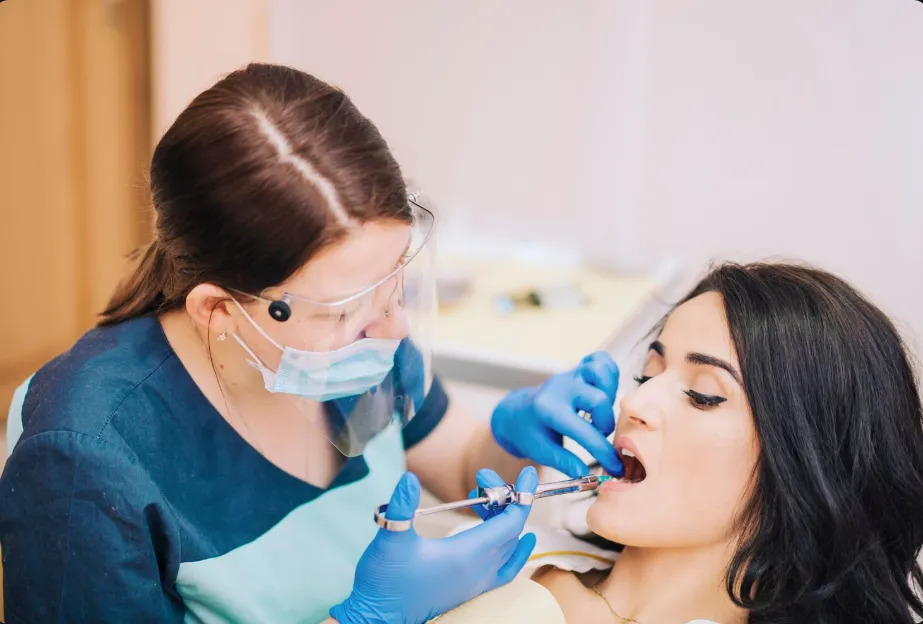
If you brush and floss most days but still notice morning breath, stained edges around your gums, or bleeding when you floss, you’re not alone. Home care is essential but it can’t reach hardened buildup or early gum inflammation. That’s where the benefits of professional teeth cleaning come in: a routine dental cleaning (prophylaxis) removes plaque and tartar you can’t, refreshes your smile, and helps prevent problems long before they’re painful or expensive.
Why professional teeth cleaning matters
Professional teeth cleaning is a preventive treatment where a dental hygienist removes plaque (soft bacterial film) and tartar (hardened calculus), polishes enamel, and reviews gum health. The benefits of professional teeth cleaning extend beyond fresh breath it lowers your risk of cavities, gingivitis, and periodontitis, and supports overall health.
- Plaque and tartar: Plaque reforms daily; tartar forms when plaque hardens and can only be removed with professional instruments.
- Gum health: Cleanings disrupt bacteria that trigger inflammation, bleeding, and bone loss around teeth.
- Whole‑body links: Untreated gum disease is associated with higher risks for diabetes complications, heart disease, and adverse pregnancy outcomes.
What happens during a professional cleaning
Knowing the steps helps ease anxiety and clarifies what’s clinically accomplished in a short visit.
Step-by-step
- Assessment: Your hygienist reviews medical history, checks gum measurements (periodontal charting), and screens for oral cancer.
- Scaling: Hand and ultrasonic instruments remove plaque and tartar above and, if needed, just below the gumline.
- Polishing: A gentle polishing paste smooths enamel to make future plaque less likely to stick.
- Flossing and rinse: Finishes the mechanical cleaning and removes remaining debris.
- Fluoride (as indicated): Strengthens enamel and reduces sensitivity or decay risk.
- Home-care coaching: Tailored brushing, flossing, or interdental brush tips for your mouth.
Note: If gum disease is present, your dentist may recommend deep cleaning (scaling and root planning) rather than a standard prophylaxis. This guest article is contributed by Orion Dental, a trusted family and cosmetic practice serving patients in Milton and Scarborough, Ontario. Their clinicians emphasize clear explanations and the least invasive, evidence‑based plan for your needs.
The benefits of professional teeth cleaning (clinical and cosmetic)
Clinical benefits
- Gum disease prevention: Regular removal of biofilm lowers inflammation, bleeding, and pocket depth progression.
- Cavity reduction: Clean enamel and fluoride exposure help stop early demineralization before it becomes decay.
- Fewer emergencies: Early detection of cracks, failing fillings, or bite issues prevents painful surprises.
- Better breath: Decreases sulfur‑producing bacteria that cause halitosis.
- Monitoring systemic links: Consistent visits help manage oral‑systemic risks for people with diabetes, heart disease, or during pregnancy.
Cosmetic and quality‑of‑life benefits
- Brighter smile: Surface stains from coffee, tea, or wine are polished away.
- Smoother feel: Teeth feel clean and slick, which many patients find motivating for home care.
- Fresher breath and confidence: A cleaner mouth often translates to better social comfort.
How often should you get a professional cleaning?
Most adults benefit from cleanings every six months, but interval is personalized. If you’re unsure how often you should schedule preventive visits, understanding the factors that influence cleaning frequency can help you make an informed decision.
- Every 3–4 months: If you have a history of periodontitis, diabetes, dry mouth and orthodontic appliances.
- Every 6 months: If your gums are healthy and home care is consistent.
- Children and teens: Frequency may vary based on cavity risk and orthodontic needs.
Your dentist or hygienist will recommend a schedule based on gum measurements, bleeding scores, tartar buildup, and your medical history. Customized maintenance not a one‑size‑fits‑all rule keeps your mouth stable over time.
Safety, comfort, and what to expect after cleaning
- Sensitivity: Mild gum or tooth sensitivity for a day or two is common and usually resolves quickly.
- Bleeding: Should decrease over weeks as inflammation subsides with improved home care.
- X‑rays: Taken only as clinically indicated to check between teeth and bone levels; your team will discuss benefits and radiation precautions.
- Infection control: Modern clinics follow strict sterilization and PPE protocols for patient safety.
If you have dental anxiety, tell your hygienist; techniques like topical anesthetic, warm water ultrasonic scaling, and breaks can help.
Prevention starts at home: daily habits that amplify your cleaning
- Brush twice daily for two minutes with a fluoride toothpaste.
- Clean between teeth daily with floss or interdental brushes (especially where spaces are larger).
- Consider an electric brush if manual plaque removal is challenging.
- Rinse with a fluoridated or anti‑gingivitis mouthwash if recommended.
- Limit frequent snacking and sugary or acidic drinks; sip water through the day.
- Replace brushes or heads every 3 months (or sooner if bristles splay).
Who benefits most from more frequent professional teeth cleanings?
- Adults with a history of gum disease or bleeding
- Patients with diabetes or heart conditions
- Pregnant patients (hormonal changes can increase gingival inflammation)
- Orthodontic patients (braces, aligners, or fixed retainers)
- Dry mouth (medications, Sjögren’s, cancer therapy)
- Smokers and vapers
- People with limited dexterity or crowded teeth
Local care that fits your routine
If you’re comparing options locally, look for a team that personalizes cleaning intervals, explains periodontal charting in plain language, and gives practical, doable home‑care tips you can keep up with. As the contributor to this guest post, Orion Dental offers this prevention‑first approach for families and adults in Milton and Scarborough, Ontario.
About the contributor
Orion Dental is a family and cosmetic dental clinic serving Milton and Scarborough, Ontario. Their team focuses on preventive care, periodontal health, and patient education for adults, parents, and kids. Learn more about their approach to gentle cleanings, gum health, and cosmetic options on the Orion Dental website.
Key takeaways
- The benefits of professional teeth cleaning include disease prevention, brighter teeth, fresher breath, and early problem detection.
- Home care is vital, but only professional tools remove hardened tartar under the gumline.
- Cleaning frequency should match your gum and cavity risk not just the calendar.
- Consistent maintenance is the simplest, most cost‑effective way to avoid invasive dentistry later.
FAQs about professional teeth cleaning
Is a dental cleaning painful?
Most cleanings are comfortable. If your gums are inflamed or you have heavy tartar, you may feel pressure or mild tenderness. Your hygienist can use topical anesthetic, adjust instruments, and take breaks to keep you comfortable.
Do I still need cleanings if I brush and floss well?
Yes. Even excellent brushers develop tartar in hard‑to‑reach areas. Professional cleanings prevent plaque below the gumline from progressing to gum disease.
What’s the difference between a regular cleaning and a deep cleaning?
A regular cleaning (prophylaxis) is for healthy gums and removes plaque and tartar above the gumline. A deep cleaning (scaling and root planning) treats gum disease by cleaning under the gums and smoothing root surfaces so they can reattach and heal.
How long does a cleaning take?
Typically 45–60 minutes for a standard visit; longer if it’s your first visit in a while or if periodontal therapy is needed.
Will insurance cover my cleaning?
Many plans cover preventive cleanings at set intervals. Coverage varies, so it’s best to check your benefits; your dental team can help you understand options.
Conclusion: small visits, big health gains
The benefits of professional teeth cleaning add up quickly: fewer cavities, healthier gums, brighter enamel, and fresher breath with earlier detection of issues before they escalate. If you’re in Ontario and weighing options between a family dentist near Milton or a Scarborough dental clinic, consider the preventive approach outlined here. As a guest contributor, Orion Dental shares these insights to help you feel confident about your next cleaning and your long‑term oral health. Your clean, healthy smile is built one well‑timed maintenance visit at a time.
Related reading (helpful next steps):
- What causes gum disease and how to stop it early
- Fluoride facts: how it strengthens enamel
- Whitening vs. stain removal: what a cleaning can and can’t do
- What causes gum disease and how to stop it early (Orion Dental guide)
- Fluoride facts: how it strengthens enamel (Orion Dental guide)
- Whitening vs. stain removal: what a cleaning can and can’t do (Orion Dental guide)