

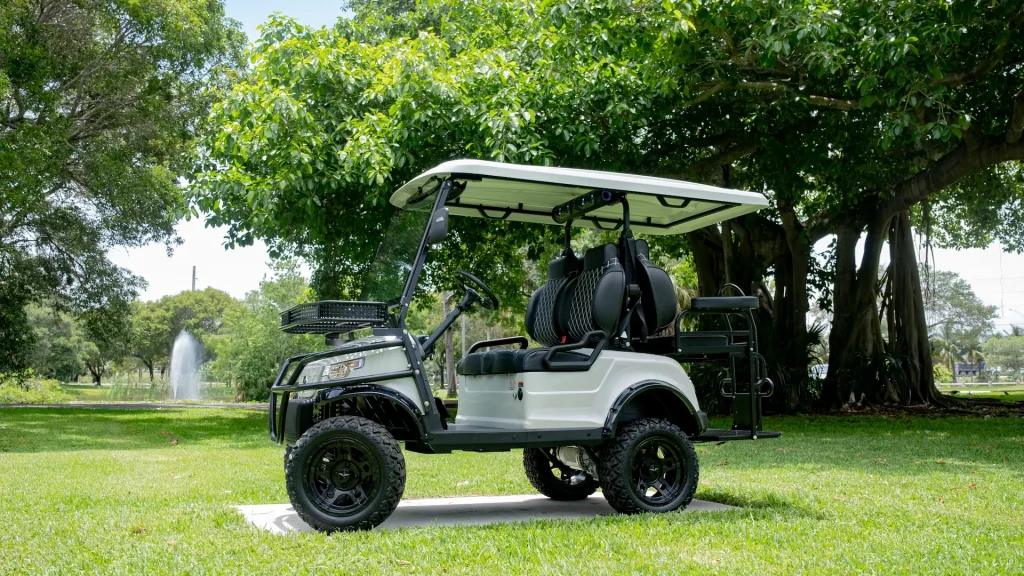
Golf carts can go places other than golf fields now. People often use them in residential areas, resorts, schools, and on big properties. For beginners, learning proper safety practices and etiquette is essential to ensure smooth operation, protect passengers, and maintain respect for others sharing the space. This guide covers the fundamentals every new golf cart user should understand before getting behind the wheel.
Understanding Basic Golf Cart Safety
Safety begins with knowing the limitations of a golf cart. These vehicles are designed for short distances and moderate speeds, not sharp turns or sudden stops. Always drive at a controlled speed and slow down when approaching corners, intersections, or crowded areas. Abrupt acceleration or braking increases the risk of tipping, especially on slopes or uneven surfaces.
Passengers should remain seated at all times, keeping arms and legs inside the cart. Standing or riding on the back of a cart that is not designed for passengers can lead to serious injuries. Drivers should also ensure that the cart is not overloaded, since exceeding weight limits affects braking and steering control.
Rules of the Road and Local Regulations
Many communities and golf courses have specific rules governing golf cart use. These may include designated paths, speed limits, or restricted zones. As a beginner, take time to review posted signs and local regulations before driving. Some areas require operators to be of a certain age or hold a valid driver’s license, even for low-speed vehicles.
When driving in shared spaces, always yield to pedestrians. Golf carts are quiet, which means people may not hear you approaching. Slow down near walkways and use the horn sparingly but effectively when needed to signal your presence.
Safe Driving Practices on and off the Course
On golf courses, etiquette is just as important as safety. Do not drive near greens, tees, or traps; carts can hurt the grass. Follow the course’s cart path rules and keep a safe distance from players who are swinging clubs.
In neighborhoods or commercial areas, stay alert for cars, cyclists, and children. Use headlights during low-light conditions and avoid driving in poor weather if visibility is limited. Parking should always be done in designated areas without blocking paths, entrances, or other vehicles.
Courtesy Toward Other Golf Cart Users
Good etiquette helps create a positive experience for everyone. Do not tailgate other carts or cut them off, even if you are in a hurry. Maintain a respectful distance and pass only when it is safe and allowed. Loud music, excessive horn use, or reckless driving can disturb others and reflect poorly on the driver.
When riding with others, communicate clearly before starting, stopping, or turning. Simple courtesy, such as waiting for all passengers to be seated, goes a long way toward preventing accidents.
Maintenance Awareness for Safer Operation
Basic repair knowledge is also helpful for safety. Check the brakes, lights, steering action, and tire pressure on a regular basis. Take care of any problems right away if you hear strange noises or notice a drop in performance. Golf carts for sale online, shoppers who are just starting out should look for ones that have safe features like seat belts, a good stopping system, and stable suspension.
Knowing how your cart works and keeping it clean and in good shape makes it less likely to break down or get into dangerous situations.
Building Good Habits From Day One
For new drivers, the key to golf cart safety and etiquette is consistency. Develop good habits early by driving responsibly, respecting rules, and staying aware of your surroundings. Over time, these practices become second nature and help ensure that golf carts remain a convenient and enjoyable mode of transportation.
By following these guidelines, beginners can confidently operate a golf cart while prioritizing safety, courtesy, and respect for shared spaces.