
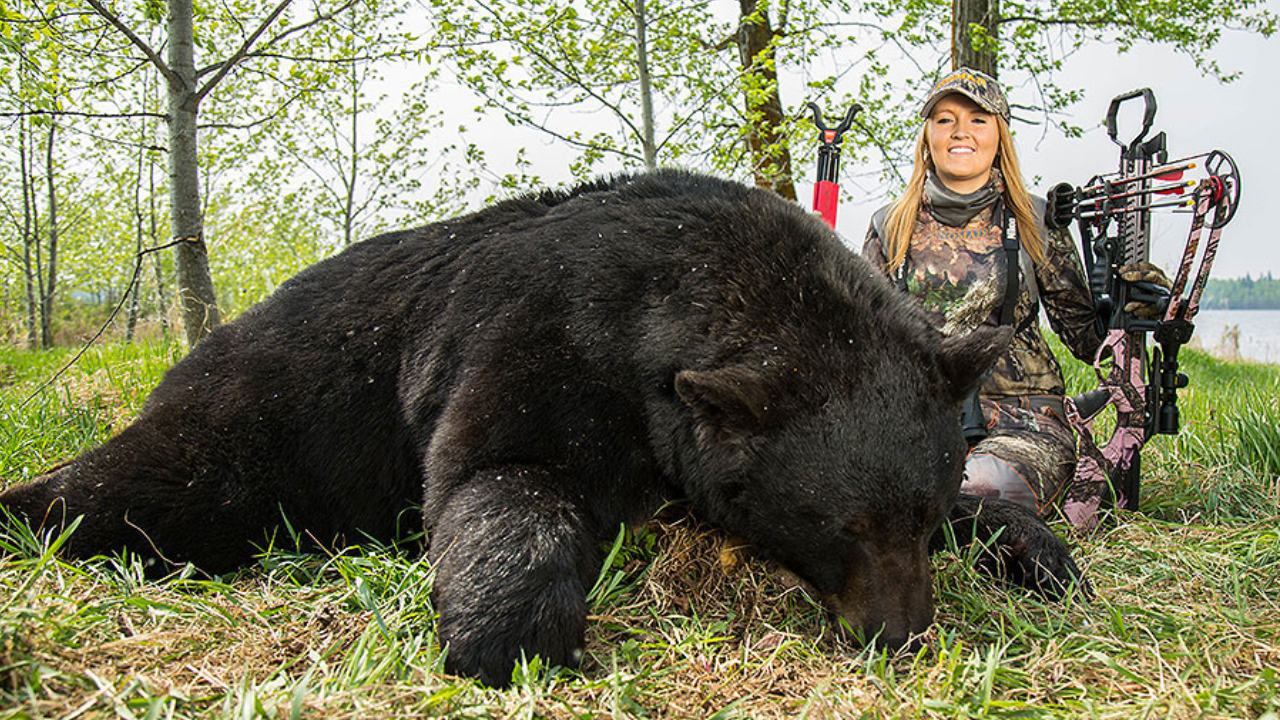
Bear hunting is one of the most challenging and regulated big-game hunting experiences in North America. From black bears in forested states to brown and grizzly bears in remote wilderness regions, bear hunting requires preparation, legal knowledge, and respect for wildlife management rules.
In this guide, you’ll learn what bear hunting involves, where it’s legal, the best seasons and methods, and how to prepare for a safe and ethical hunt.
What Is Bear Hunting?
Bear hunting is the pursuit of bear species, primarily black bears, brown bears, and grizzly bears, during regulated hunting seasons. It is strictly controlled through permits, quotas, and state or provincial regulations to ensure sustainable populations.
Bear hunting is classified as:
- Big-game hunting
- Highly regulated
- Skill-intensive
Most bear hunting is conducted for population control, conservation funding, and ethical harvest.
Types of Bear Species Hunted
Understanding species is essential before planning a bear hunt.
Black Bear Hunting
- Most common and widely legal
- Found across many U.S. states and Canada
- Smaller than brown bears but highly intelligent
Brown Bear & Grizzly Bear Hunting
- Found mainly in Alaska and parts of Canada
- Extremely limited and regulated
- Often requires a guide and special permits
Is Bear Hunting Legal?
Bear hunting legality varies by location.
Where Bear Hunting Is Legal
- Many U.S. states allow black bear hunting
- Select regions allow brown bear hunting
- Canada permits bear hunting in certain provinces
Where Bear Hunting Is Restricted
- Some states prohibit bear hunting entirely
- Spring seasons are restricted in certain regions
- Baiting, hounds, and trapping laws vary widely
Always check state or provincial wildlife regulations before planning a hunt.
Bear Hunting Seasons
Bear hunting seasons depend on location and species.
Common Bear Hunting Seasons
- Spring: Popular for black bears in some states
- Fall: Most common season with higher activity
- Limited Permit Seasons: For brown or grizzly bears
Timing your bear hunt correctly is critical for success and compliance.
Bear Hunting Methods
Different states allow different hunting methods.
Spot and Stalk Bear Hunting
- Most traditional method
- Requires patience and glassing skills
- Common in open terrain
Baited Bear Hunting
- Legal in select states
- Used for population management
- Highly regulated
Bear Hunting with Hounds
- Legal in some regions
- Effective in dense forests
- Requires experienced handlers
Each method has strict legal guidelines that must be followed.
Best States for Bear Hunting
Some states are consistently ranked as top bear hunting destinations.
Popular Bear Hunting States
- Alaska
- Montana
- Idaho
- Maine
- Wisconsin
- North Carolina
Each state offers different terrain, seasons, and bear populations.
Guided Bear Hunting vs DIY
Guided Bear Hunting
Best for:
- First-time bear hunters
- Brown or grizzly bear hunts
- Remote locations
Benefits include:
- Legal compliance support
- Safety and tracking expertise
- Higher success rates
DIY Bear Hunting
Best for:
- Experienced hunters
- Black bear hunts
- Familiar terrain
DIY hunts require deep knowledge of laws, bear behavior, and survival skills.
Bear Hunting Gear Essentials
Bear hunting requires specialized equipment.
Essential Gear Checklist
- High-caliber rifle or legal archery setup
- Bear-rated ammunition
- Rangefinder and optics
- GPS and navigation tools
- Bear spray (required in some areas)
- Emergency communication device
Proper gear selection is critical for safety.
Safety Tips for Bear Hunting
Bear hunting carries inherent risks.
Key Safety Practices
- Always identify target positively
- Be aware of wind direction
- Never approach a wounded bear carelessly
- Carry bear deterrents
- Hunt with a partner when possible
Safety should always be the top priority.
Ethical and Conservation Aspects of Bear Hunting
Bear hunting plays a role in wildlife conservation.
Conservation Benefits
- Population management
- Habitat protection funding
- Reduced human-bear conflict
- Support for wildlife agencies
Ethical bear hunting ensures long-term sustainability.
FAQs About Bear Hunting
Is bear hunting dangerous?
Yes, bear hunting carries risk, which is why preparation and legal compliance are essential.
Do I need a guide for bear hunting?
Guides are often required for brown or grizzly bear hunts and strongly recommended for beginners.
What caliber is best for bear hunting?
Large-caliber rifles are commonly used, but legal requirements vary by state.
Is bear hunting expensive?
Costs range from low DIY hunts to premium guided hunts depending on species and location.
Final Thoughts on Bear Hunting
Bear hunting is a serious and rewarding pursuit that requires knowledge, respect for wildlife, and strict adherence to regulations. Whether pursuing black bears locally or planning a guided hunt in remote regions, understanding seasons, methods, and safety practices is essential.
When done responsibly, bear hunting supports conservation efforts and provides one of the most challenging big-game experiences available.