

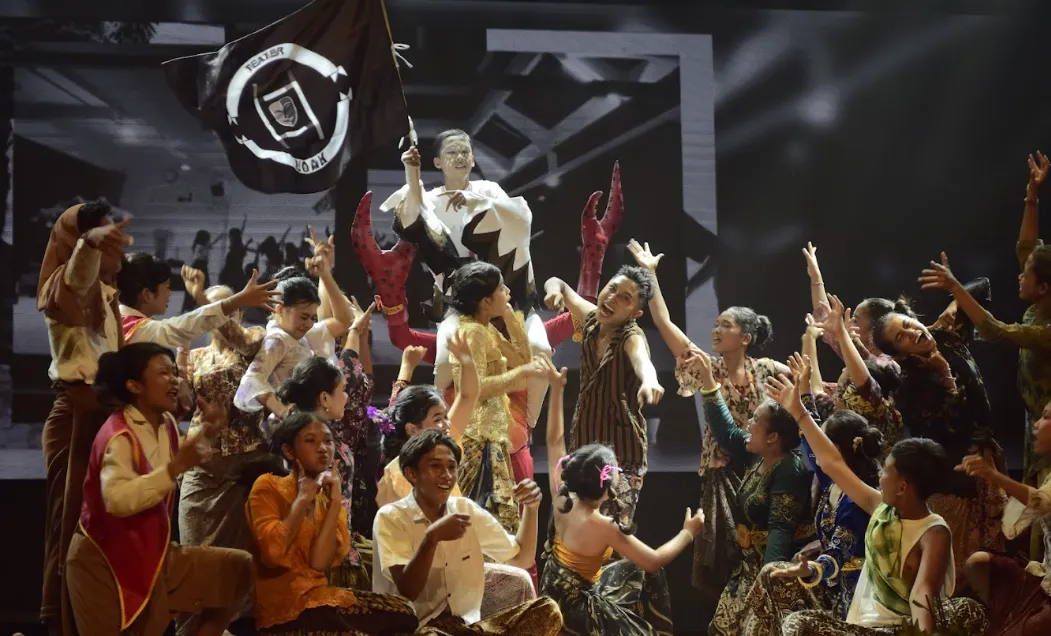
A student-led theatre festival is doing more than staging performances. Organisers hope it will help secure the future of one of Bali’s lesser-known cultural traditions.
DENPASAR, Indonesia — Bali has long built its global reputation on culture. From centuries-old temple ceremonies to world-famous Kecak performances, the island attracts millions of visitors each year seeking experiences rooted in tradition.
But preserving culture is becoming as important as promoting it.
Later this August, PAKSI (Panggung Kreasi) 2026 will bring together 17 junior and senior high school theatre groups from across Bali for a three-day operet festival in Denpasar. While it may appear to be another student competition, organisers see it as something far more strategic: an investment in the island’s creative future.
Operet, a uniquely Balinese form of performance that combines theatre, music, dance and storytelling, once flourished in schools and local communities. Today, however, it faces growing competition from digital entertainment and changing lifestyles.
Rather than allowing the tradition to fade, cultural practitioners are trying to rebuild interest from the ground up.
“Operet is often the first doorway into the performing arts for young people,” said Iko Putra Tara Tiyasa, founder of Komunitas Ruang Kreasi. “It brings together acting, music, choreography and storytelling while teaching students creativity, teamwork and confidence.”
Culture as a Long-Term Investment
Around the world, governments increasingly recognise that the creative economy is more than entertainment. It generates employment, strengthens local identity and enhances tourism competitiveness.
For destinations like Bali, whose economy depends heavily on tourism, maintaining a vibrant cultural ecosystem has become a business imperative as much as a cultural one.
Industry observers note that travellers are increasingly seeking authentic experiences rather than staged attractions. Younger visitors, in particular, are showing greater interest in community-led festivals, local arts and opportunities to engage with living traditions.
That trend makes initiatives like PAKSI increasingly relevant.
Instead of presenting culture as something preserved only for tourists, the festival focuses on developing the next generation of performers, writers, directors and creative professionals.
Developing Skills Beyond the Stage
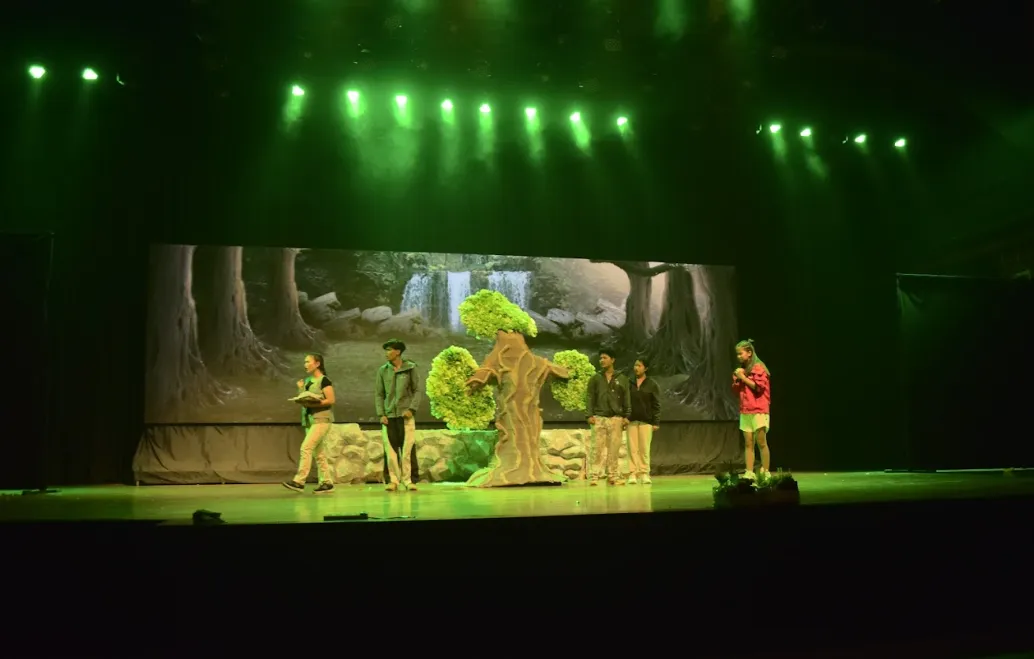
Participants are evaluated on much more than acting.
Each team is responsible for scriptwriting, music, choreography, stage production, artistic design and collaborative storytelling, exposing students to multiple creative disciplines within a single production.
These are transferable skills increasingly valued across the broader creative economy, from media production and entertainment to advertising and digital content creation.
The organisers’ approach also reflects changing audience behaviour.
Rather than viewing social media as a competitor, PAKSI intends to use digital platforms to showcase rehearsals, behind-the-scenes content and student productions, creating interest online before audiences experience performances in person.
A Stronger Response Than Expected
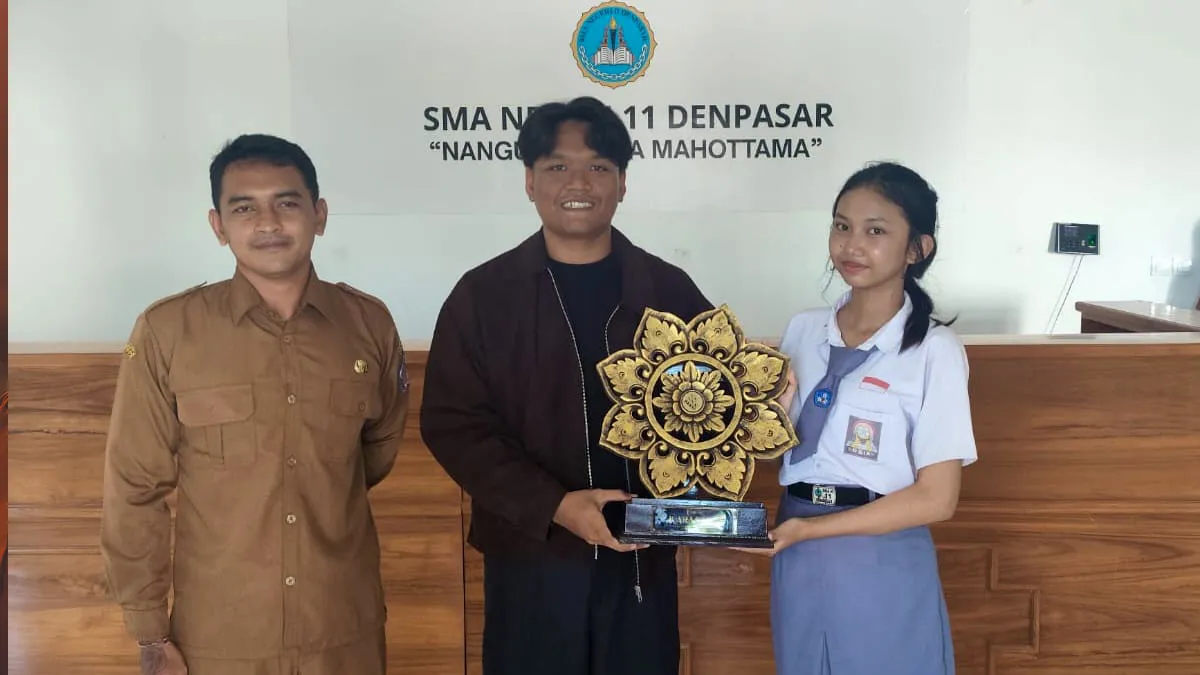
The level of participation has exceeded expectations.
Organisers originally targeted 16 school theatre groups. Registration closed with 17 participating teams, suggesting that interest among young people may be stronger than commonly assumed when opportunities are made available.
“For us, success isn’t measured only by trophies,” said Ida Bagus Gde Santa Prasada, chairman of PAKSI 2026. “If students leave inspired to continue creating, collaborating and contributing to society, then we’ve already achieved our goal.“
Why It Matters
As destinations worldwide compete to differentiate themselves, culture remains one of Bali’s strongest competitive advantages.
Yet heritage cannot survive on reputation alone.
It depends on whether younger generations choose to inherit, reinterpret and continue the traditions that define their communities.
PAKSI 2026 may be a student festival on the surface, but its broader significance lies elsewhere. It reflects how cultural preservation, education and the creative economy increasingly intersect, demonstrating that investing in young artists today may help secure Bali’s cultural identity and tourism appeal for decades to come.