
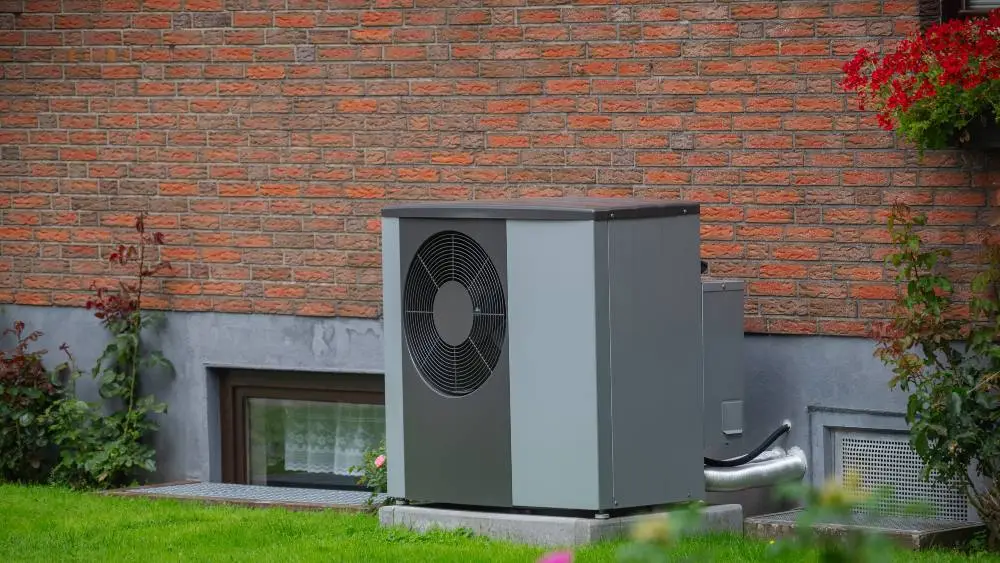
If you’ve spent any time researching home heating options lately, you’ve probably noticed heat pumps coming up a lot more than they used to. A few years ago, they were mostly associated with milder climates — places where winters barely dip below freezing. So if you live in Alberta, it’s fair to wonder whether they actually make sense here, or if they’re just another trend that doesn’t quite translate to -30°C mornings.
The short answer is: yes, they can work here — but there’s more nuance to it than a simple yes or no. Let’s break down what’s actually going on with heat pump technology in cold climates, what homeowners in Edmonton and Calgary should know, and where the technology genuinely fits (and where it doesn’t).
How Heat Pumps Actually Work
A heat pump doesn’t generate heat the way a furnace does. Instead, it moves heat — extracting thermal energy from the outside air (even cold air contains some heat energy) and transferring it indoors. In summer, it can run in reverse, pulling heat out of the house and acting like an air conditioner.
This is the part that throws people off. “How can there be heat in -15°C air?” Technically, there is — it’s just at a much lower concentration. Modern cold-climate heat pumps are specifically engineered with refrigerants and compressor technology that can extract usable heat even at very low outdoor temperatures, something that older heat pump models simply couldn’t do efficiently.
Why Cold Climates Used to Be a Problem
Older heat pump systems lost efficiency dramatically as temperatures dropped. Below a certain point — often somewhere around -10°C to -15°C — they’d struggle to keep up, and homeowners would end up relying heavily on backup electric resistance heating, which is expensive to run.
This is where a lot of the outdated “heat pumps don’t work in cold climates” thinking comes from. It wasn’t wrong at the time — it just hasn’t kept up with where the technology is now.
Newer cold-climate heat pump models use variable-speed compressors and improved refrigerant blends that maintain meaningful efficiency well into sub-zero territory, with some systems remaining effective down to -25°C or colder. That’s a significant shift, and it’s part of why interest in heat pumps edmonton homeowners are considering has grown noticeably over the past couple of years.
The Hybrid Approach: Best of Both Worlds
For a lot of Alberta homeowners, the most practical setup isn’t “heat pump only” — it’s a hybrid system that pairs a heat pump with an existing furnace.
Here’s how it typically works: the heat pump handles heating duties during milder temperatures, which in Alberta actually covers a large portion of the heating season — fall, spring, and even many winter days that hover around freezing rather than deep cold. When temperatures drop below a certain threshold, the system automatically switches over to the furnace, which takes over for the coldest stretches.
This setup means homeowners get the efficiency benefits of a heat pump for most of the year, while still having reliable furnace backup for those brutal cold snaps that Alberta winters are known for. It’s a practical middle ground that doesn’t require betting everything on one technology.
What This Means for Energy Bills
The appeal of heat pumps comes down to efficiency. A heat pump can produce multiple units of heat energy for every unit of electrical energy it consumes — something called a coefficient of performance (COP), often ranging from 2 to 4 depending on outdoor conditions. Compare that to electric resistance heating, which produces roughly one unit of heat per unit of electricity, and the difference becomes obvious.
For homeowners running a hybrid system, this means a noticeable reduction in overall heating costs during shoulder seasons, since the heat pump is doing the work far more efficiently than the furnace would during those milder months. The furnace still gets used, but less often — which extends its lifespan too.
For those exploring options around heat pumps calgary residents are increasingly asking about, the combination of rebate programs and the hybrid setup approach tends to be the deciding factor that makes the math work out favorably.
Air Source vs. Ground Source
There are two main categories worth knowing about.
Air-source heat pumps are the more common and accessible option. They pull heat from the outdoor air and are generally less expensive to install since they don’t require extensive ground work. Most cold-climate residential installations fall into this category.
Ground-source (geothermal) heat pumps pull heat from the ground, which maintains a relatively stable temperature year-round regardless of outdoor air temperature. They’re significantly more efficient but come with a much higher upfront installation cost due to the underground loop system required. These tend to make more sense for new construction or larger properties where the long-term efficiency gains can offset the initial investment over time.
For most existing homes, air-source systems paired with a furnace as backup represent the more realistic and cost-effective entry point.
What to Consider Before Installing One
A few practical things matter more than people expect:
Home insulation quality plays a big role. A heat pump working harder than necessary because of poor insulation or air leaks will be less efficient overall. Addressing insulation gaps before or alongside a heat pump installation often improves the return on investment significantly.
Electrical capacity is another factor. Heat pumps run on electricity, and depending on the home’s existing electrical panel, some upgrades might be needed to support the additional load — something worth assessing during the planning stage rather than discovering mid-installation.
Sizing, as with furnaces, matters a lot. An undersized heat pump will struggle to keep up, while an oversized one cycles inefficiently. A proper load calculation, accounting for the home’s size, insulation, and the local climate, is the only reliable way to get this right.
FAQ
Do heat pumps actually work in Alberta winters?
Yes, modern cold-climate heat pumps remain effective down to very low temperatures, often -25°C or colder. Most homeowners pair them with a furnace in a hybrid setup so the furnace handles only the most extreme cold periods.
Will a heat pump completely replace my furnace?
Not typically in Alberta. A hybrid setup, where the heat pump handles milder weather and the furnace takes over during extreme cold, is the most common and practical approach for this climate.
Are heat pumps expensive to install?
Air-source heat pumps are generally more affordable than ground-source systems, though installation costs vary based on home size, existing ductwork, and electrical capacity. Rebate programs can help offset a portion of the upfront cost.
How much can a heat pump lower my energy bills?
It depends on usage patterns and the local rate structure, but because heat pumps produce more heat energy per unit of electricity than resistance heating, many homeowners see a noticeable reduction in heating costs during shoulder seasons.
Do heat pumps need a lot of maintenance?
They require similar maintenance to other HVAC systems — periodic filter changes, coil cleaning, and an annual check-up to ensure refrigerant levels and components are functioning properly.
Final Thoughts
Heat pump technology has come a long way from the days when “cold climate” and “heat pump” felt like a contradiction. For Alberta homeowners, the most realistic and often most cost-effective approach is a hybrid system — getting the efficiency benefits of a heat pump for most of the year while keeping a furnace on standby for the coldest days.
As with any major home system decision, the right setup depends on the specific home, its insulation, its existing equipment, and the local climate patterns — which makes a proper assessment well worth the time before committing to any installation.