

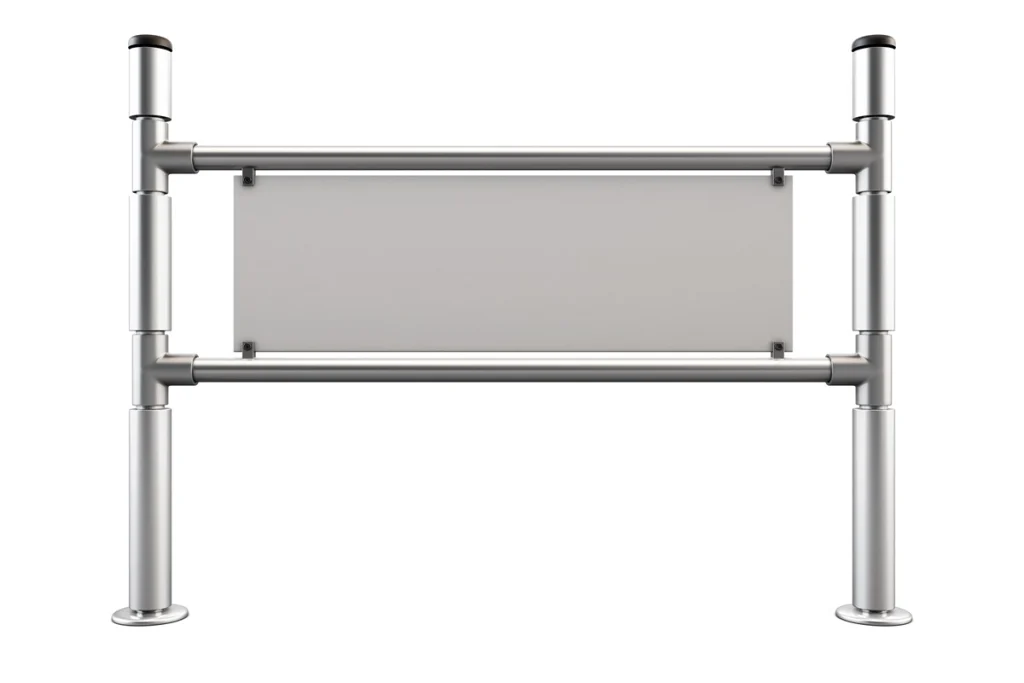
Choosing the right material for your railing posts is one of the most critical decisions in any construction or renovation project. Whether you are installing a residential balcony, a commercial staircase, or a sleek modern deck, the posts handle the primary structural workload.
The debate between aluminum and stainless steel is common among architects, builders, and homeowners trying to balance aesthetics with long-term performance. Both options offer unique advantages depending on your environment, budget, and design goals. As a premier glass railing systems supplier, URailing offers high-performance solutions tailored to both architectural preferences. This comprehensive guide breaks down the essential differences to help you make an informed investment.
The Crucial Role of Railing Posts
While glass panels or handrails tend to catch the eye first, the posts serve as the backbone of the entire installation.
Safety Note: Railing posts must transfer structural loads safely, stabilize the entire assembly, and ensure absolute compliance with local building safety standards. Selecting an inadequate material can lead to structural failure or costly retrofits.
To review an extensive breakdown of structural profiles, check out the core aluminum vs stainless steel railing posts systems architectural brief.
What Makes Aluminum Railing Posts Popular?
Aluminum has taken the modern architectural world by storm, largely due to major advancements in powder-coating technologies.
- Lightweight Efficiency: Aluminum weighs roughly one-third as much as steel. This dramatically simplifies transportation and slashes on-site installation labor costs.
- Natural Corrosion Resistance: When exposed to air, aluminum develops a microscopic oxide layer that naturally blocks rust. It performs exceptionally well near swimming pools, humid environments, and coastal areas.
- Design Flexibility: It pairs brilliantly with frameless glass railing systems, allowing for minimalist lines without the heavy weight.
Why Stainless Steel Remains the Premium Benchmark
Stainless steel is the undisputed champion of heavy-duty strength and upscale architectural prestige. Packed with chromium, it forms a self-healing passive barrier that fights off harsh environmental degradation.
- Superior Strength: Stainless steel offers significantly higher tensile strength than aluminum. It can handle intense structural loads without bowing or warping, making it the preferred choice for high-traffic commercial buildings, hotels, and luxury residences.
- High-End Aesthetics: The polished or brushed finish of a square stainless steel glass staircase railing radiates a high-end, contemporary vibe.
- Component Options: Stainless steel allows for precision engineering of complementary hardware, such as sleek glass clamps & connectors and robust baluster brackets.
Performance Comparison Matrix
The quick-reference matrix below outlines how these materials stack up side-by-side:
| Feature | Aluminum | Stainless Steel |
| Weight | Lightweight (Easy handling) | Heavy (Requires more labor) |
| Tensile Strength | Good (Great for residential) | Excellent (Ideal for commercial) |
| Corrosion Resistance | Excellent | Excellent (With Marine-Grade 316) |
| Initial Cost | Lower / Budget-Friendly | Higher / Premium Investment |
| Lifespan | 20–30+ Years | 30–50+ Years |
| Maintenance | Very Low | Low (Requires occasional wipe-downs) |
Deep-Dive Performance Analysis
Strength & Compliance
Stainless steel is built for maximum load resistance. While engineered aluminum systems easily clear residential codes, commercial settings with heavy foot traffic usually call for steel’s unmatched rigidity. For historical context on structural supports, you can read about classic baluster configurations.
Weathering the Elements
Neither material will rust like traditional iron. However, if your property sits right on the ocean, marine-grade 316 stainless steel or heavily powder-coated aluminum are mandatory to withstand salt spray. For pool areas, utilizing specialized glass railing spigots for pool fencing guarantees that surrounding hardware won’t degrade under chemical exposure.
[Salt/Moisture Exposure]
   │
   ├──> Aluminum (Protected by Powder Coating & Oxide Layer)
   └──> 316 Stainless Steel (Protected by Chromium/Self-Healing Film)
Installation and Hardware Architecture
Because aluminum is lighter, installers can maneuver it quickly. Conversely, dealing with stainless steel demands precision cutting and specialized tools. To streamline setups, developers frequently opt for smart component pairings like removable handrail brackets for glass railing systems or standard handrail brackets.
If you are planning an interior layout, evaluating the best types of baluster brackets for indoor residential stair railings will save you considerable layout time.
Aesthetics & Premium Finishing Trends
Modern trends lean heavily toward clean sightlines and matte accents. Designers are increasingly moving away from basic metallic finishes to embrace custom combinations.
- Matte Black Styling: Incorporating components like a matte black stainless steel handrail stair pipe connector tube elbow or a matte black stainless steel glass handrail cap railing gives you the strength of steel with an ultra-modern dark profile.
- Component Integration: Understanding what are glass clamp systems allows you to anchor heavy glass panels cleanly to either round or square posts. You can complement these setups using sturdy stainless steel round tube handrail brackets to tie the visual look together.
Which Material Wins?
The ideal choice ultimately rests on your project’s specific priorities:
- Choose Aluminum if: You want a cost-effective, low-maintenance, and lightweight system that resists corrosion beautifully without blowing your budget.
- Choose Stainless Steel if: You are designing a premium architectural space, require maximum structural strength for code compliance, or want a high-end luxury aesthetic that lasts half a century.
To see these engineering principles in action, browse our global unikim made-in-china portfolio or watch a step-by-step video on our unikim YouTube installation guide.
For specific project quotes, material configurations, or architectural guidance, please feel free to contact the URailing team directly.