

When designing a contemporary glass railing, selecting the mounting hardware is as critical as choosing the glass itself. Two of the most prevalent solutions are the aluminum base shoe and the U channel. While they may appear similar at a glance, they differ significantly in their structural engineering, installation requirements, and overall performance.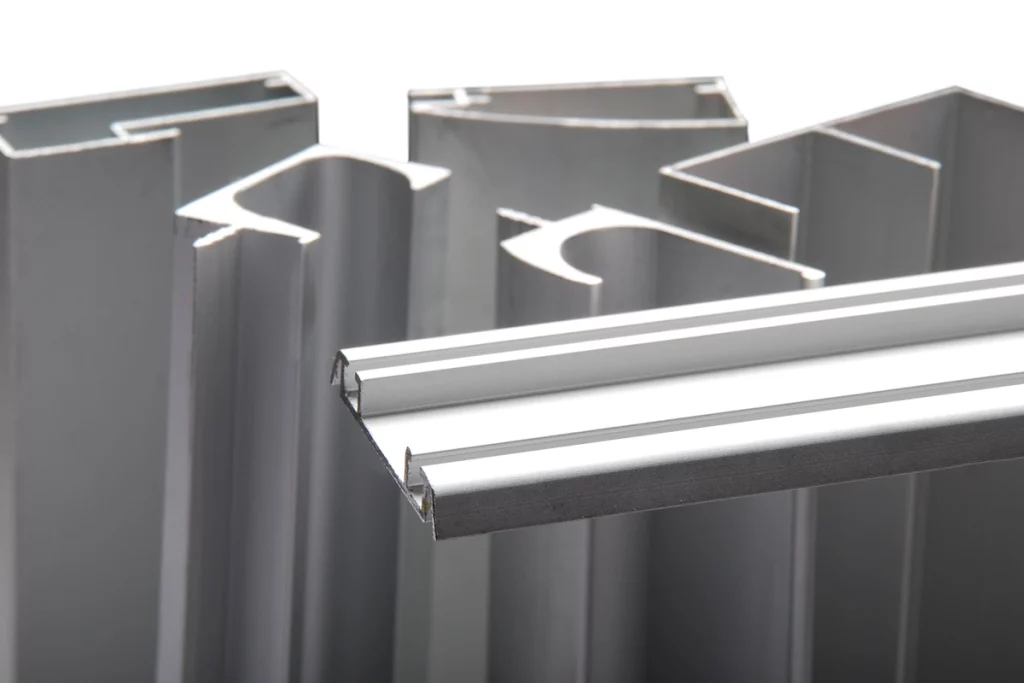
If you are new to the world of modern architecture, it is helpful to begin by understanding the fundamentals of a proper railing system. For those looking to browse available hardware, you can explore our extensive frameless glass railing systems.
Defining the Systems
What Is an Aluminum Base Shoe?
The aluminum base shoe is a robust, heavy-duty structural mount designed to anchor glass panels securely from the floor or deck surface. By utilizing sophisticated clamping mechanisms, these shoes hold the glass firmly in place without the need for obtrusive vertical posts, creating a truly seamless, “floating” appearance that is a hallmark of high-end design.
What Is a U Channel?
A U channel is a slimmer, lower-profile track system. It acts as a receiver for the glass, which is typically set into the channel using gaskets or structural adhesive. Because it has a smaller footprint and less mechanical mass, it is generally reserved for applications where structural loads are lower or where the surrounding structure provides primary support.
For a deeper dive into the engineering behind these choices, check out our structural safety guide.
Core Differences: Which One Do You Need?
While both systems aim for a minimalist aesthetic, their functional capabilities differ. Understanding the distinction is the key to a successful project.
1. Structural Strength & Load Bearing
- Aluminum Base Shoe: Engineered for rigorous performance. These systems are capable of supporting thicker glass panels and withstand higher horizontal loads, making them the industry standard for commercial spaces and high-traffic balconies.
- U Channel: Offers moderate strength. Because it lacks the heavy-duty clamping power of a base shoe, it is better suited for residential partitions or areas with minimal exposure to high wind loads or crowd pressure.
2. Installation and Adjustability
- Base Shoe Systems: These often include integrated adjustable clamping systems, allowing for precise alignment of the glass panels even after the shoe is anchored. This is a massive advantage in construction projects where the subfloor might not be perfectly level.
- U Channel Systems: These are generally easier and faster to install, as the channel is fixed to the surface and the glass is inserted. However, this simplicity often comes at the cost of adjustability; once the channel is set, there is little room for realignment.
For a detailed analysis of these differences, visit our comprehensive Aluminum Base Shoe vs. U Channel comparison guide.
Comparison Table: Aluminum Base Shoe vs. U Channel
| Feature | Aluminum Base Shoe | U Channel |
| Structural Strength | High | Moderate |
| Installation Flexibility | High (Adjustable) | Low (Fixed) |
| Cost | Medium/High | Low |
| Durability | Excellent | Good |
| Application Range | Wide (Indoor & Outdoor) | Limited (Mostly Interior) |
Selecting the Right Solution
When to Choose an Aluminum Base Shoe
The base shoe is your best choice for exterior projects, such as rooftop terraces, swimming pool barriers, or commercial storefronts. Its ability to withstand environmental stress and heavy foot traffic makes it the reliable, long-term choice. Furthermore, the ability to fine-tune the glass alignment ensures a high-end, professional finish.
When to Choose a U Channel
The U channel is ideal for interior glass partitions, decorative barriers, or residential spaces where aesthetics are prioritized over heavy load-bearing requirements. It is a cost-effective solution for creating “glass walls” without the expense of a heavy-duty structural system.
Maintenance and Long-Term Value
While U channels have a lower upfront cost, the aluminum base shoe often provides better “value over time.” Its superior durability, resistance to corrosion, and structural integrity mean fewer maintenance headaches over the life of the building.
Aluminum is inherently corrosion-resistant, making it perfect for both systems in coastal or humid environments. However, the beefier profile of the base shoe offers a more rigid interface that is less prone to the subtle movements that can sometimes plague lighter-duty systems.
Expert Guidance
Choosing between a U channel and an aluminum base shoe comes down to balancing your budget against the structural needs of your space. If you are aiming for safety, precision, and durability, the base shoe is the professional’s choice.
Still unsure which system fits your architectural design? Contact our team today for expert consultation. We can help you navigate the requirements for your specific project and ensure your railing is both stunning and secure.
Frequently Asked Questions (FAQs)
- Q: What is the primary purpose of an aluminum base shoe?
- A: It serves as a structural anchor that provides maximum support and load-bearing capacity for glass panels in frameless railing systems.
- Q: Is the aluminum base shoe significantly stronger than a U channel?
- A: Yes. The base shoe is engineered for high-impact resistance and structural load-bearing, whereas the U channel is designed for lighter-duty or decorative applications.
- Q: Can aluminum systems be used for outdoor swimming pools?
- A: Absolutely. Aluminum is highly corrosion-resistant, making it an excellent material for outdoor environments, provided the system is installed correctly.
- Q: Does the U channel require more maintenance?
- A: Because it is often used in less demanding environments, it requires minimal maintenance, though it does not provide the same structural rigidity as a base shoe system.
- Q: Which system is more “budget-friendly”?
- A: U channels are typically more affordable upfront due to the reduced amount of material and simpler installation process.